
















Attic insulation is commonly associated with keeping a home cooler in summer and warmer in winter. While temperature control is important, focusing only on heat misses the bigger picture.
From a building science perspective, insulation directly affects how air moves, how moisture behaves, and how healthy the indoor environment remains over time.
In Florida homes, where heat and humidity dominate most of the year, these factors matter as much as — and often more than — energy efficiency. As an attic insulation expert working with single-family homes, I see the same pattern repeatedly: comfort complaints, moisture problems, and air quality issues that originate not in living spaces, but in the attic. When insulation is designed or maintained incorrectly, it disrupts the entire balance of the house.
Airflow control starts in the attic 🌀
Every home operates under constant air pressure changes. When air conditioners run, they create negative pressure that pulls air from wherever it can enter most easily. In many houses, that path leads straight through the attic.
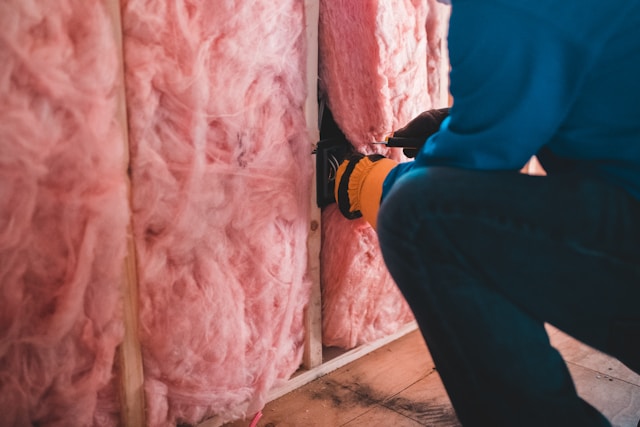
Insulation plays a key role in controlling this movement. Properly installed materials slow unwanted air exchange, helping prevent hot, dusty attic air from entering the living space.
Poorly installed or aging insulation allows uncontrolled airflow, which can carry particles, odors, and humidity downward. This is why airflow management is just as critical as thermal resistance when evaluating attic performance.
Moisture behavior defines long-term attic health 💧
Florida’s climate places constant stress on attic systems. High humidity, combined with temperature differences between indoor and outdoor air, creates ideal conditions for condensation.
Insulation that absorbs moisture loses effectiveness and can become a long-term problem rather than a solution. Common moisture-related issues include: – Condensation forming on insulation surfaces – Damp materials that never fully dry – Mold growth hidden within insulation layers Once moisture is trapped, it affects wood framing, roof decking, and indoor air quality.
Insulation must work together with ventilation and air sealing to keep moisture from accumulating in the first place.
Why insulation directly impacts indoor air quality 🌿
Many homeowners are surprised to learn that attic conditions influence the air they breathe every day. When insulation degrades, it can hold dust, pollen, and microscopic debris. As air moves between the attic and the home, these particles travel with it.
This is where attic insulation becomes a health-related component of the building envelope. Clean, dry, well-fitted materials help limit the movement of contaminants. Old or compromised insulation allows them to circulate freely, contributing to discomfort and allergy symptoms inside the home.
Temperature control is the outcome, not the system 🔥❄️
From a professional standpoint, temperature stability is a result of proper airflow control, moisture management, and insulation continuity. Treating insulation as a standalone fix often leads to disappointing results. When all systems work together: – Cooling systems operate more efficiently – Indoor temperatures remain consistent – Humidity levels are easier to manage.
This integrated approach is how experienced providers evaluate attic performance across Florida homes, focusing on how the space functions as a system rather than a single upgrade.
Signs your attic insulation affects more than comfort 🕒
Homeowners should consider a deeper evaluation when insulation-related issues extend beyond temperature concerns. Indicators often include persistent humidity indoors, uneven cooling between rooms, or odors that worsen during hot weather.
Another sign is insulation that has been in place for decades without inspection. Materials age, settle, and absorb contaminants over time. In these cases, attic insulation no longer supports the health of the home, even if energy bills seem acceptable.
Expert insight on building healthier homes 🧠
A well-insulated attic supports airflow balance, moisture control, and long-term indoor comfort. When insulation is treated as part of the home’s environmental system, it contributes to healthier living conditions rather than simply reducing heat transfer.
In my experience, homeowners who address attic insulation with this broader perspective achieve more reliable comfort and fewer recurring issues. This is the approach applied by Attic Fanatics USA when working with Florida families who want their homes to perform better year-round.