
















Metal roofs look great and last long, but they come with one serious winter problem: snow and ice sliding off without warning. Installing a snow retention system solves this, and two options dominate the market right now: snow guards and snow rails.
If you are trying to figure out which one lasts longer and gives you better value, this guide covers everything you need to know.
What Are Metal Roof Snow Guards?
Snow guards are small, individual devices that you attach at different points across a metal roof. They work by breaking up large sheets of snow and ice into smaller sections. Instead of one dangerous avalanche sliding off the edge, the snow releases gradually and safely.
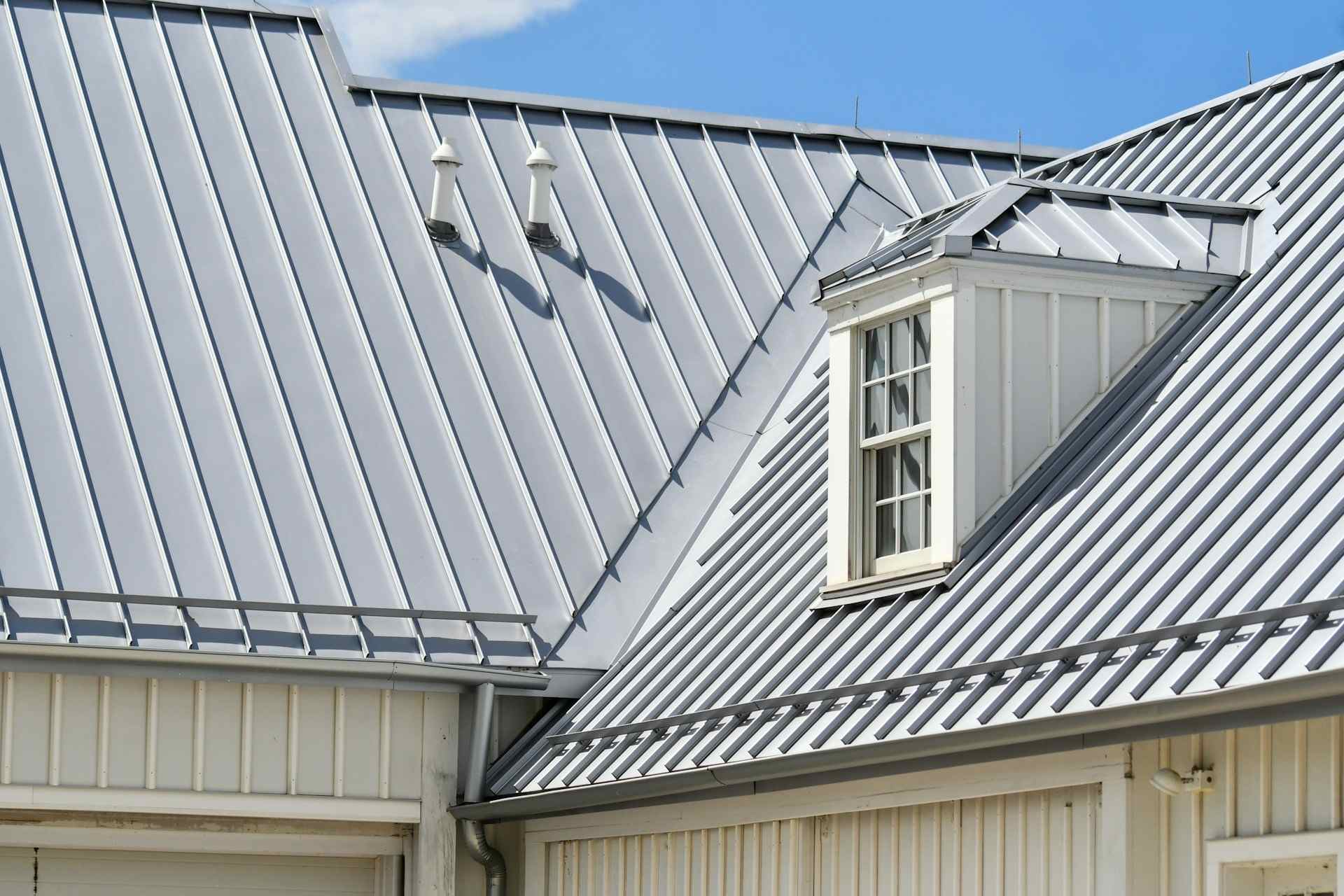
Most snow guards are made from polycarbonate plastic or stainless steel. You place them in a staggered pattern across the roof surface. Some attach with screws directly into the roofing panel, while others use a clamp system that grips the seam without piercing the metal.
Snow guards are popular because they are affordable and relatively easy to install. A roofing contractor can add them to an existing metal roof without a full tear-down. They work well on standing seam and corrugated metal roofs alike.
How Long Do Snow Guards Typically Last?
Polycarbonate snow guards tend to last between 10 and 20 years depending on the quality of the product and the climate. In areas with intense UV exposure or extreme freeze-thaw cycles, cheaper plastic versions can crack and weaken faster. Stainless steel or aluminum snow guards, on the other hand, can last 25 years or more when properly installed.
One common durability concern is improper installation. If a snow guard gets screwed through the metal panel incorrectly, it creates a weak point where water can enter. Over time, this leads to rust, leaks, and the guard itself loosening or falling off. Clamp-on designs avoid this issue entirely.
What Are Metal Roof Snow Rails?
Snow rails, sometimes called pipe-style snow retention systems, run horizontally across the full width of the roof. They consist of aluminum or steel pipes or bars mounted on brackets. These brackets attach either to the roof panels or to the seams, depending on the roof type.
Instead of breaking snow into small chunks, snow rails hold the entire snow load in place. The rail acts as a barrier that prevents snow from sliding off until it melts naturally. This makes them particularly effective on roofs with a steep pitch or in regions with very heavy snowfall.
Snow rails are a bigger investment than snow guards, but they cover more surface area and provide a more uniform level of protection across the entire roof edge.
How Long Do Snow Rails Typically Last?
High-quality aluminum snow rail systems regularly last 30 to 40 years. Aluminum does not rust, handles freeze-thaw cycles well, and holds up under heavy snow loads without bending or deforming. Steel rails with proper powder coating can also reach similar lifespans, though they require more maintenance to prevent surface corrosion.
The brackets are often the weak point in a snow rail system. Cheap or poorly designed brackets can loosen over time, especially under repeated heavy snow loads. Investing in quality brackets from the start makes a significant difference in how long the entire system holds up.
Metal Roof Snow Guards vs Snow Rails: Head-to-Head Comparison
Here is a clear comparison table to help you see the differences between both systems at a glance.
| Feature | Snow Guards | Snow Rails |
|---|---|---|
| Average Lifespan | 10 to 25 years (material-dependent) | 30 to 40+ years |
| Material Options | Polycarbonate, stainless steel, aluminum | Aluminum, steel, powder-coated steel |
| Installation Method | Screw-down or clamp-on (point-based) | Bracket-mounted horizontal bars |
| Risk of Roof Penetration | Moderate (screw-down types) | Low (clamp-on brackets) |
| Best For | Light to moderate snowfall areas | Heavy snowfall, steep pitches |
| Upfront Cost | Lower | Higher |
| Maintenance Needs | Moderate (check for cracking) | Low (aluminum systems) |
| Coverage Style | Point-based, staggered pattern | Full-width horizontal barrier |
| Aesthetic Impact | Minimal, nearly invisible | Visible lines across roof |
| Replacement Ease | Easy, replace individual units | Requires professional help |
Which One Handles the Toughest Weather Conditions?
Weather plays the biggest role in determining how long either system survives. In areas with mild winters and occasional light snow, high-quality snow guards can serve you well for two decades with little maintenance. The loads are manageable, and the stress on each guard stays within normal limits.
In regions that receive heavy, wet snowfall every season, snow rails have a clear advantage. A single heavy snowstorm can put enormous pressure on point-based guards. If you install too few of them, or if they are placed in the wrong pattern, the snow load concentrates on a small number of guards and can rip them right off the roof.
Snow rails distribute that same load evenly across the entire horizontal length of the roof. The structural integrity holds much better under stress, which translates directly into a longer service life.
In heavy-snow climates, a properly installed aluminum snow rail system will almost always outlast a set of polycarbonate snow guards, sometimes by 15 to 20 years.
The Role of Installation Quality in Longevity
No matter which system you choose, poor installation will shorten its life. This is one of the most overlooked factors when homeowners compare metal roof snow guards vs snow rails.
For snow guards, the spacing and placement pattern matter a great deal. A roofing professional calculates the correct number of guards per square foot based on the roof pitch, the panel type, and the expected snow load in your area. Skipping this step and guessing at placement leads to overloaded guards and early failure.
For snow rails, the bracket attachment method is critical. Clamp-on brackets that grip the standing seam without piercing the metal panel protect the roof’s waterproof barrier. Screw-down brackets, if not sealed properly, invite moisture problems over time.
Hiring a contractor who specializes in metal roofing systems, not just general roofing, gives both systems a much better shot at reaching their full potential lifespan.
Cost vs. Longevity: What Makes More Financial Sense?
Snow guards cost less upfront. For a standard home, a full set of polycarbonate guards might run a few hundred dollars in materials. Stainless steel or aluminum guards cost more but stay within a reasonable budget for most homeowners.
Snow rail systems cost more to purchase and install. Materials for a full rail system on a medium-sized home can run into the thousands. Add professional installation, and the total rises further.
But here is where the math shifts. If you install budget snow guards and replace them every 10 years, you will spend that money two or three times over the lifespan of a quality snow rail system. When you factor in labor costs for repeated reinstallation, the long-term price of snow guards often exceeds the one-time investment in a well-built rail system.
For homeowners who plan to stay in their home long-term, snow rails often deliver better value over time. For those on a tight budget or in low-snowfall regions, high-quality stainless steel or aluminum snow guards offer a reasonable middle ground.
Which System Should You Choose?
The right answer depends on your specific situation. Ask yourself these three questions before making a decision.
First, how much snow does your area receive each winter? Light snowfall regions can work well with quality snow guards. Heavy snowfall regions benefit far more from snow rails.
Second, what is the pitch of your roof? Steeper roofs put more pressure on any retention system. Snow rails handle steep pitches better and hold up longer under repeated heavy loads.
Third, what is your long-term plan for the home? If you plan to stay for 20 or 30 years, the extra investment in snow rails pays off. If you are in the home for a shorter period, well-installed aluminum snow guards may serve you just fine.
In the debate over metal roof snow guards vs snow rails, neither system is universally better. But when you focus purely on longevity and durability, snow rails have a meaningful advantage, especially in high-snow regions. They hold up longer, require less ongoing maintenance, and protect your roof more consistently over decades of winter weather.
Final Takeaway
Metal roof snow guards vs snow rails comes down to your climate, your roof, and your timeline. Snow guards work well for lighter snow climates and tighter budgets. Snow rails outlast them in heavy-snow regions and deliver better long-term value. Either way, invest in quality materials and professional installation. That single decision will do more for the lifespan of your system than anything else.