















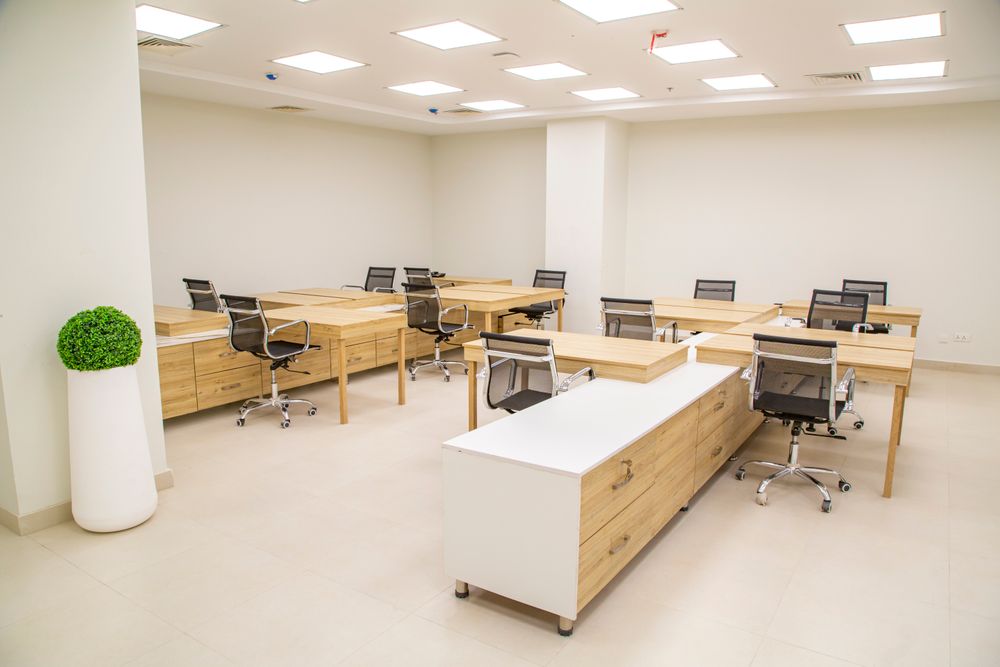
The contemporary relationship with our working environments has fundamentally transformed. In 2026, the discussion around workspace design has moved far beyond the superficial choice between open-plan layouts and cellular offices. Instead, architects, interior designers, and forward-thinking business leaders are viewing the office as a crucial hub for human connection, brand identity, and holistic well-being. Whether designing a corporate headquarters in the heart of London or a refined studio space in a residential conversion, the physical elements we introduce into these environments speak volumes about our professional values.
As digital connectivity allows for greater fluidity in where and how we work, the purpose of the physical office has been elevated. It is no longer a mandatory holding pen for productivity; it is a chosen destination for collaboration. Consequently, the materials, furniture systems, and spatial logic applied to these environments must offer an uncompromised standard of excellence. The modern professional expects a space that feels intuitive, supports physiological health, and exhibits a high degree of material integrity and design foresight.
The Philosophy of Modern Office Architecture and Manufacturing Values
Creating an exceptional workplace requires a balance between industrial-grade resilience and sophisticated architectural style. When sourcing furniture systems that satisfy these strict criteria, the heritage and design ingenuity of Staverton provide an excellent blueprint for the contemporary interior designer. For decades, the UK manufacturing community has recognised that truly high-quality office installations are defined by their capacity to adapt to changing human behaviours. This involves moving away from rigid, monolithic furniture structures toward fluid, modular platforms that can be effortlessly reconfigured as a business evolves.
From a manufacturer’s perspective, true luxury within a workspace lies in the invisible engineering. It is found in the robust precision of a sit-stand desk mechanism, the seamless integration of power and data cables within a minimalist steel frame, and the selection of raw finishes that develop character over a lifetime of use. When specifying furniture for a high-traffic professional environment, selecting pieces that reflect this deep understanding of material sincerity ensures that the visual narrative of the space remains clean, intentional, and entirely free from unnecessary ornamentation.
Ergonomic Architecture and Musculoskeletal Longevity
The true success of any office transformation is measured by its relationship with the human body. Extended periods of static sitting place immense physical demands on the workspace user, making advanced ergonomic support a critical operational requirement rather than a secondary luxury.
When configuring a contemporary office suite, the integration of sit-stand desk systems has transitioned from a progressive trend into a vital standard of interior wellness. Alternating between sitting and standing postures throughout the day stimulates cardiovascular circulation, reduces spinal compression, and maintains steady cognitive energy levels. However, for these systems to be embraced by an office community, the physical transition must be effortless. Quiet, smooth mechanical lifts and intuitive user interfaces allow individuals to alter their working height without disrupting their concentration or disturbing colleagues.
Alongside adaptive desks, the selection of task seating must offer comprehensive adjustability. A professionally engineered chair should provide dynamic lumbar tracking that supports the pelvis through various angles of recline, paired with fully adjustable armrests that eliminate tension across the shoulders and neck. By prioritising the physiological comfort of the user, designers create spaces that actively combat fatigue and foster a culture of long-term health.
Material Integrity and the Shift Toward Circular Workspaces
In the current design landscape, the environmental footprint of our physical surroundings carries significant ethical weight. Creative directors and procurement teams are demanding absolute transparency regarding supply chains, raw material extraction, and carbon accountability. The modern office must be built on the principles of the circular economy, utilising materials that can be easily dismantled, repurposed, or fully recycled at the end of their operational lifecycle.
Choosing office furniture manufactured from certified sustainable timber, upcycled steel, and low-emission finishes is a direct statement of environmental stewardship. True sustainability is achieved by designing out planned obsolescence. Investing in structural elements that can be refinished, repaired, or updated with new technological components ensures that an organisation’s capital investment compounds over time while minimizing the volume of waste sent to landfills. This commitment to longevity is the ultimate expression of sustainable luxury.
Navigating Visual Harmony: Balancing Technology and Organic Textures
Integrating complex digital infrastructure into a refined commercial or domestic layout requires sophisticated visual management and spatial intelligence. The objective is to make the technology serve the human element of the room, rather than dominating the overall aesthetic.
Softening the Corporate Interface
To prevent a high-performance workspace from feeling cold or overly institutional, progressive interior designers recommend pairing raw industrial elements with soft, organic textures. Combining minimalist matte steel frames with rich, grain-heavy timber desktops creates an engaging tactile contrast that feels grounded and sophisticated. Incorporating biophilic design principles, such as integrated planting systems and living green walls, further softens the lines of modern hardware, creating a tranquil atmosphere that reduces stress and clears the mind.
Advanced Cable Architecture and Spatial Fluidity
Clutter is the enemy of mental clarity. Modern office layouts solve the problem of visual noise by utilising furniture systems with sophisticated, hidden cable routes. Power modules, data ports, and structural wiring should be entirely integrated into the spine of a desk layout, allowing surfaces to remain clean and uncluttered. This structural cleanliness provides users with a distraction-free environment, enabling them to move seamlessly between deep individual work blocks and collaborative group sessions without being tethered to messy clusters of cables.
Optimising the Invisible Environment: Acoustic Focus and Layered Light
A highly functional professional environment requires a holistic approach to the sensory landscape. Proper acoustic management and considered lighting design are the invisible pillars that support prolonged periods of deep concentration.
Cultivating Acoustic Sanctuaries
Open-plan architecture offers incredible benefits for collaborative communication, but it can frequently lead to a rise in distracting ambient noise. To address this, designers introduce acoustic dampening panels, heavy acoustic drapery, and architectural felt screens. These elements break up sound waves and reduce echo, ensuring that individuals can participate in video meetings or engage in concentrated writing tasks without absorbing the noise of the surrounding room.
The Dynamics of Layered Light
Positioning workstations to maximise access to natural daylight is essential for maintaining healthy circadian rhythms and elevating the daily mood of an office team. For spaces where natural light is limited, a layered lighting strategy should be deployed. This involves combining glare-free ambient ceiling lights with dedicated, articulated task lamps that allow individual users to customize the illumination of their immediate work surface, preventing eye strain and eliminating harsh, distracting shadows.
Conclusion: Setting the Standard for Corporate Interiors
The evolution of the modern workspace is a celebration of human capability and thoughtful engineering. By moving away from generic, temporary office layouts and embracing the timeless values of material honesty, ergonomic precision, and sustainable British manufacturing, organisations can build environments that truly inspire.
Your physical working environment should stand as a direct reflection of your professional dedication and your respect for exceptional craftsmanship. By selecting furniture systems and architectural layouts that are engineered to last, you create a resilient, adaptable space that supports both the operational targets of a business and the creative well-being of the people who make it succeed.