












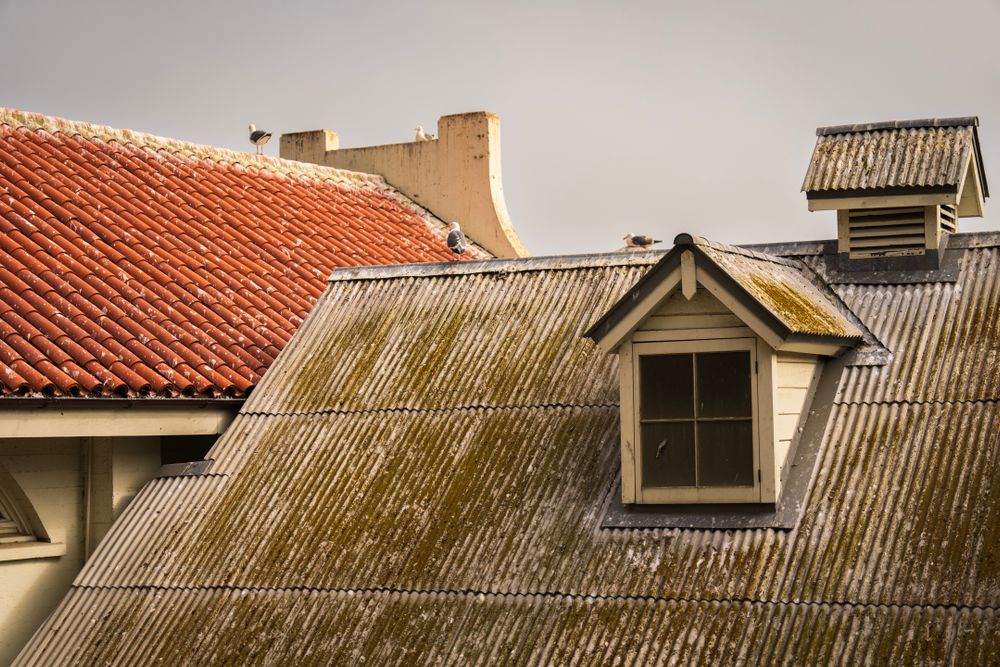
Your roof is the one part of your home you almost never look at.
You know when the dishwasher starts making a new noise. You notice the scuff on the hallway wall. But the roof sits thirty feet up, out of sight, doing its job every day until the day you start to wonder whether it still can.
That uncertainty is one of the most common reasons homeowners put off a roofing decision. You can’t tell if you need a repair, a full replacement, or nothing at all. And you don’t want to call a roofer only to be pushed into a job you didn’t need.
The good news: You can understand a lot about your roof’s condition without climbing onto it. Several warning signs are visible from ground level, and a professional inspection can confirm whether any closer attention is needed.
Start with your roof’s age
Age is the first clue. Most asphalt shingle roofs are built to last somewhere around 20 to 30 years, depending on the product, the installation, and how well the attic breathes.
If you bought your home and don’t know when the roof was installed, check your closing documents or ask the previous owner. If your roof is past the 15-year mark, it’s a good time to start paying attention. Planning ahead gives you time to make a calm, informed decision instead of a rushed one.
Five signs you can spot from the ground
Walk around your home on a clear day. Bring binoculars if you have them.
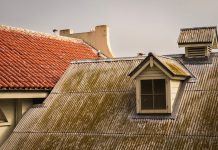
- Curling or cupping shingles. Healthy shingles lie flat. When the edges start turning up or the middles sink in, the shingles are aging.
- Granules in the gutters. Shingles are coated in small granules that protect them from the sun. A steady buildup of that gritty material in your gutters or at the bottom of downspouts means the shingles are wearing thin.
- Dark streaks or bare patches. Uneven color can signal worn areas where the protective layer has thinned.
- A sagging roofline. The roofline along the top should appear even and level without noticeable dips. A dip or wave is worth having a professional look at.
- Clues from inside. Inspect the attic during daylight hours when sunlight can make roof gaps easier to notice. Daylight coming through the roof boards, damp insulation, or water stains on the ceiling below all point to the roof.
If you spot one of these signs, the next step is a closer look from a professional. Many aging roofs still have years left.
What a good inspection should include
A trustworthy roofing inspection leaves you better informed and under zero pressure. Here is what to expect from a contractor who does it right.
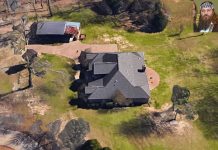
You see what they see. Many roofers now use drones to inspect a roof. You get clear photos and video of every slope, so you are not taking anyone’s word for it. You can look at the curling, the granule loss, or the healthy shingles yourself.
Your roof gets measured precisely. Aerial measurement reports, such as EagleView, calculate your roof’s exact dimensions, pitch, and square footage from high-resolution imagery. A quote built on precise measurements is a quote you can trust and compare fairly.
You get an honest recommendation. In some cases, only a minor roofing fix is necessary. Sometimes it has years left. A good contractor tells you which, even when the answer is “not yet.”
Questions worth asking before you choose a roofer
Once you know what your roof needs, these questions help you choose who does the work:
- Who will be on my roof? Ask whether the company uses its own long-time crews or rotates subcontractors.
- Are you certified by the shingle manufacturer? Manufacturer certifications, such as CertainTeed’s ShingleMaster credential, mean the installer has been trained on that product line. Certification level can also affect which extended warranties you qualify for.
- What warranties come with the job? Look for two layers: the manufacturer’s warranty on the materials and the contractor’s workmanship warranty on the installation.
- How will you keep me updated? A new roof takes a few days of work on your home. You deserve to know what is happening each day.
- What happens to my yard? A quality crew leaves your property as clean as they found it, nails and debris included.
How one North Carolina roofer approaches it
In North Carolina’s Piedmont Triad, Hearthstone Restoration builds its process around taking the guesswork away from the homeowner. Every project starts with a free drone roof inspection, so the homeowner sees their roof before any decision gets made. Every quote is built on an EagleView aerial measurement report.
Drone inspections can help homeowners see areas of the roof that are difficult to inspect from the ground. Clear photos and videos can reveal damaged shingles, worn areas, flashing issues, and other visible concerns. Aerial measurement reports can also provide accurate information about roof size, pitch, and dimensions.
When comparing roofing contractors, homeowners should also check manufacturer certifications, available warranties, installation methods, project communication, and cleanup procedures. These details can help homeowners understand what a roofing service includes and make a more informed decision about repairs or replacement.
Peace of mind starts with information
A roof is a big decision, and it should never feel rushed. Know your roof’s age. Walk the property and look for the signs. When it’s time, ask for an inspection that shows you the evidence and a contractor who answers your questions plainly.
The more you know about the roof over your head, the easier it is to protect the home underneath it.