


















Quick Answer
Roof repair in Calgary’s north-end communities usually means fixing hail dents, lifted shingles, or small leaks before they spread. Most minor repairs run a few hundred to a couple thousand dollars, depending on the damage and roof type. Acting early, especially after a storm, keeps a quick patch from turning into a full replacement and protects everything underneath your roofline.
Introduction
Picture the morning after a July hailstorm. You step onto the driveway, glance up, and notice a few shingles curling at the edges with granules pooling in the gutter. It looks minor. Six months later, a brown stain spreads across the ceiling. That small gap let water in, and the bill grew with it.
Homeowners across Harvest Hills and Huntington Hills know this cycle well. These established north Calgary neighbourhoods sit squarely in hail country, where wind, snow load, and sharp temperature swings test every roof year after year. Catching trouble early is the difference between a modest fix and a major project, which is why scheduling prompt roof repairs matters so much here.
This guide walks you through the warning signs, the real costs, and the choices you’ll face as a homeowner, so you can act with confidence instead of guesswork.
Shingle Damage and Leak Signs Every Homeowner Should Catch Early
Your roof rarely gives out overnight. It drops hints for months, sometimes years, before water ever reaches your ceiling. Spotting those hints early saves money and spares you a panicked call during a January storm. For homeowners handling residential roofing Harvest Hills properties often share, most trouble traces back to a short list of repeat offenders.
What to Look For From the Ground
You don’t need to climb a ladder to catch early damage. A slow walk around your property after a storm tells you plenty. Keep an eye out for:
- Shingles that are cracked, curling, buckling, or missing entirely
- Dark patches or dents across the surface, a classic sign of hail strikes
- Granules collecting in gutters or at the base of downspouts
- Daylight showing through boards in the attic
- Sagging sections along the roofline
Why North Calgary Roofs Take a Beating
The weather here is hard on roofing, and two neighbourhoods built largely in the 1980s and early 1990s now carry roofs at or past their expected lifespan. Each season brings its own strain:
| Season | Main Threat | Typical Damage |
| Summer | Hail and wind | Dented shingles, torn flashing |
| Winter | Snow load and ice | Ice dams, cracked seals, leaks |
| Spring/Fall | Freeze-thaw swings | Warped shingles, loosened nails |
Ice dams deserve special attention. When heat escapes the attic, snow melts, slides toward the cold eaves, and refreezes. That ridge of ice forces water back under the shingles, where it quietly rots the decking below.
How Small Problems Snowball
A single lifted shingle seems harmless until wind peels back its neighbours. One loose piece of flashing around a chimney turns a trickle into a stain. The pattern repeats across older homes: a tiny opening, ignored through a few seasons, ends up compromising insulation, drywall, and framing. The repair that would have cost a few hundred dollars now runs into the thousands.
Catch these issues early and you stay in control of both the timeline and the budget. That control raises the question most homeowners ask next: what should a repair actually cost?
What Roof Repairs Cost and When Replacement Makes More Sense
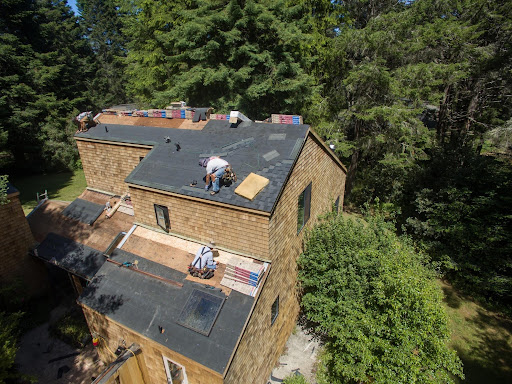
Once you’ve spotted a problem, the next worry is the price tag. Catching damage early usually keeps you in repair territory, which costs far less than a full tear-off. A targeted fix for roof repair Harvest Hills homeowners commonly need, like replacing a patch of shingles or resealing flashing, sits at the affordable end. A roof neglected for years is a different story.
What Shapes the Final Price
No two quotes match exactly, because several factors move the number up or down:
- Extent of damage — a few shingles versus a whole slope
- Roof material — asphalt is cheaper to mend than metal or cedar
- Pitch and height — steeper, taller roofs take more time and safety gear
- Access — tight lots or complex rooflines slow the work
- Season — peak summer demand can stretch timelines and budgets
Should You Patch It or Replace It?
The decision often comes down to three things: age, damage size, and how often you’ve been calling for fixes. Use this as a rough guide:
| Situation | Lean Toward Repair | Lean Toward Replacement |
| Roof age | Under 15 years | 20+ years |
| Damage area | One small section | Multiple slopes |
| Repair history | First or second fix | Frequent patching |
| Decking condition | Solid underneath | Soft or rotting |
When repairs start costing more than a sizable share of a new roof, putting that money toward replacement is the smarter long-term play.
Insurance and Storm Damage
Hail and wind damage is often covered under home insurance in Alberta, so document everything. Photograph the damage, keep your contractor’s written assessment, and file promptly after a storm. A licensed roofer can also spot damage an adjuster might miss, and that extra evidence can make the difference on a claim.
Know your numbers and your options, and the final decision gets a lot easier to make with a clear head.
Keeping a North Calgary Roof Sound Through Every Season
Your roof works harder against Calgary’s weather than any other part of the house, and it rewards attention. The homeowners who come out ahead aren’t the ones who never face damage. They’re the ones who catch it early. A spring and fall walk-around, a quick look after every major storm, and a prompt call when something looks off will add years to your roof’s life.
The pattern holds across these north-end communities: small, timely action beats costly, delayed repair every time. Keep records, learn the warning signs, and bring in a licensed professional when the job calls for one. Treat your roof as an ongoing responsibility rather than a crisis waiting to happen, and it will keep your family dry, warm, and secure through whatever the next season brings.