

















When severe weather strikes, your home becomes your fortress. But without the right improvements, that fortress can develop cracks—literally and figuratively. Homeowners across the country are learning that investing in weather-resistant upgrades isn’t just smart planning; it’s essential protection for their most valuable asset.
Strengthening Your Foundation
The foundation of your home bears the weight of everything above it, and severe weather can expose even minor weaknesses. Heavy rainfall saturates soil around your foundation, creating hydrostatic pressure that forces water through tiny cracks. These small fissures quickly become major problems during freeze-thaw cycles, where water expands and contracts, widening gaps with each temperature swing.
Addressing foundation issues early requires professional assessment and proper repair techniques. Precision Concrete Repair Patching has become the gold standard for fixing foundation cracks because it creates a waterproof seal that flexes with your home’s natural movement. This approach prevents moisture intrusion while maintaining structural integrity, giving your foundation the resilience, it needs to handle whatever Mother Nature delivers.
Protecting Your Roof System
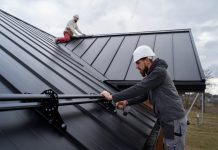
Your roof takes the brunt of severe weather, from pounding hail to hurricane-force winds. Standard asphalt shingles might meet basic building codes, but upgrading to impact-resistant materials provides significantly better protection. Modern roofing materials are tested to withstand high winds and large hail, and many insurance companies offer discounts for these installations.
Beyond materials, proper installation makes all the difference. Enhanced underlayment, sealed edges, and strategically placed ice and water barriers create multiple lines of defense against water intrusion. Pay special attention to vulnerable areas like valleys, chimneys, and vent pipes where leaks commonly develop during severe storms.
Securing Windows and Doors
Windows and doors represent the weakest points in your home’s exterior envelope. During severe weather, these openings can fail catastrophically, allowing wind and rain to enter and potentially causing interior pressure that lifts roofs from their supports. Impact-resistant windows feature laminated glass that holds together even when shattered, similar to automotive windshields.
For homeowners on a budget, storm shutters provide excellent protection at a fraction of the cost. Modern accordion-style shutters can be deployed quickly when severe weather approaches, and they store neatly alongside windows during calm periods. Reinforcing door frames and installing heavy-duty deadbolts prevents wind from forcing doors open during storms.
Improving Drainage Systems
Water management separates homes that weather storms successfully from those that suffer extensive damage. Your gutters and downspouts form the first line of defense, channeling thousands of gallons away from your foundation during heavy rainfall. Undersized gutters overflow during severe weather, dumping water directly against your foundation where it causes the most damage.
Upgrading to larger gutters with leaf guards keeps water flowing freely even during the heaviest downpours. Downspouts should extend at least six feet from your foundation, directing water toward proper drainage areas. For homes on slopes or in areas prone to flooding, French drains and swales provide additional protection by intercepting groundwater before it reaches your foundation.
Reinforcing Garage Doors
Garage doors cover large openings that create vulnerability during severe weather. Wind pressure can bow these doors inward, and if they fail, wind enters your home and increases interior pressure dramatically. This pressure lifts roofs and blows out windows, multiplying damage exponentially.
Horizontal bracing systems strengthen garage doors against wind pressure, and these relatively inexpensive upgrades can prevent catastrophic failure during severe storms. For homes in hurricane-prone regions, impact-rated garage doors provide maximum protection while maintaining daily functionality.
Upgrading Siding and Exterior Walls
Traditional vinyl siding can crack in extreme cold and tear away in high winds. Upgrading to fiber cement or engineered wood siding creates a more durable exterior that resists impact, fire, and moisture. These materials cost more initially but require less maintenance and provide superior weather protection throughout their lifespan.
The building wrap beneath your siding matters just as much as the siding itself. Modern weather-resistant barriers block water while allowing vapor to escape, preventing moisture accumulation that leads to rot and mold. This layered approach to exterior protection keeps your home dry even when wind-driven rain finds its way behind siding panels.
Investing in Backup Power
Severe weather frequently causes power outages that last days or even weeks. A whole-house generator automatically starts when power fails, keeping essential systems running without interruption. This includes sump pumps that prevent basement flooding, heating and cooling systems that maintain safe temperatures, and refrigeration that preserves food.
Modern generators run on natural gas or propane, eliminating the need to store gasoline or refuel during storms. Automatic transfer switches detect power loss and start the generator within seconds, providing seamless protection when you need it most.
Taking Action Now
Severe weather doesn’t announce its arrival with enough warning to make major improvements. The time to strengthen your home is now, before the next storm system develops. Start with the most critical vulnerabilities, prioritize repairs that protect your foundation and roof, and work systematically through other improvements as budget allows. Your home will stand stronger, your family will stay safer, and you’ll gain invaluable peace of mind knowing you’re prepared for whatever weather comes your way.