















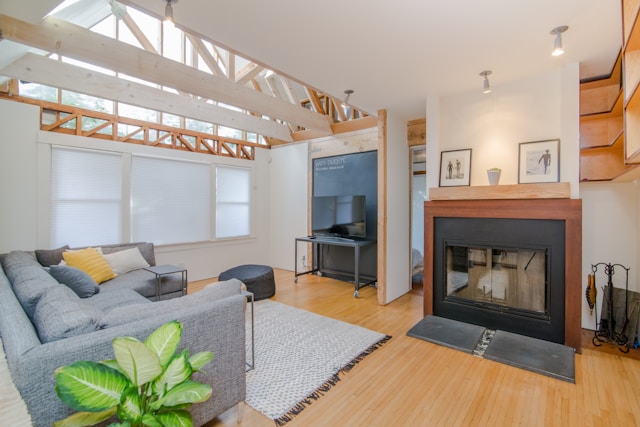
Lighting is far more than a means of brightening a room; it is one of the most powerful tools in shaping the atmosphere of a home. The right illumination can transform stark spaces into warm retreats, accentuate design elements, and create moods that align with the rhythm of daily life.
Every homeowner makes hundreds of decisions when it comes to furnishing and decorating, but lighting stands apart because it influences not only how a space looks but also how it feels. Thoughtful choices in lighting design bring harmony, depth, and comfort, turning ordinary interiors into extraordinary environments.
The Emotional Impact of Light
Human emotions respond instinctively to light. A softly lit room with warm tones invites relaxation, while cool, bright light fosters energy and alertness. This is why bedrooms often feature softer lighting compared to kitchens or home offices. Light affects circadian rhythms, signaling the body when to rest and when to stay active. When lighting aligns with natural rhythms, it nurtures both comfort and well-being.
Ensuring Safe and Effective Lighting Installation
While aesthetics often lead the conversation about lighting, the foundation lies in correct and safe installation. Wiring, circuit loads, and fixture compatibility directly influence how effectively lights function and how long they last. Poorly executed electrical work may lead to flickering, uneven brightness, or even serious hazards.
That is why many homeowners choose to hire a professional from Wes Carver Electric to evaluate and implement their lighting plans. With expert guidance, every fixture is placed and powered to operate at its full potential, ensuring the system is both visually striking and technically reliable. This level of precision not only protects the home but also provides lasting peace of mind.
Creating Depth and Dimension with Layered Lighting
Layering light is an essential technique for giving rooms depth. Instead of relying solely on overhead fixtures, designers use a mix of ambient, task, and accent lighting to create balance. Ambient lighting establishes the overall brightness, task lighting supports specific functions like reading or cooking, and accent lighting highlights art, architectural features, or textures. This layered approach prevents spaces from appearing flat or overwhelming.
Highlighting Architectural and Design Features
Every home has unique details worth celebrating, from exposed beams to textured walls or elegant staircases. Lighting acts as a spotlight, drawing attention to these features. Strategically placed fixtures—such as wall sconces or uplights—can emphasize height, depth, and craftsmanship that might otherwise go unnoticed. Even subtle accents, like directing a narrow beam onto a piece of art, elevate the aesthetic value of a room.
The Role of Natural Light in the Atmosphere
Artificial lighting is only part of the story. Natural light shapes the baseline ambiance of a home throughout the day. Wide windows, skylights, or glass doors welcome daylight that shifts in color and intensity, creating dynamic atmospheres. Morning sunlight provides freshness and optimism, while golden-hour hues soften rooms into tranquil sanctuaries. Homes designed to maximize natural light feel more spacious, vibrant, and healthy.
Energy Efficiency and Modern Lighting Solutions
Atmosphere is not defined solely by aesthetics; practicality plays a role. Modern households increasingly prioritize energy-efficient lighting, particularly LED technology. LEDs offer a range of color temperatures, dimmability, and longevity, giving homeowners versatility without compromising mood or design. They allow rooms to shift from bright, lively spaces in the morning to cozy retreats in the evening—all while keeping utility bills manageable.
The Interplay of Color Temperature and Interior Design
Color temperature determines whether light feels warm, neutral, or cool, and this directly affects the atmosphere. Warm tones (around 2700K) foster intimacy and relaxation, making them ideal for living rooms and bedrooms. Neutral whites (3000K–4000K) offer clarity without harshness, suitable for kitchens and bathrooms. Cool whites (above 5000K) promote focus and are often used in offices or task-heavy spaces. Matching light temperature to the purpose of each room ensures harmony between functionality and mood.
Lighting as a Tool for Flexibility and Control
Modern lighting systems increasingly emphasize flexibility. Dimmers, smart bulbs, and programmable controls allow homeowners to adapt brightness and tone to suit any moment. A living room that serves as a daytime play area for children can transform into a serene lounge in the evening with the simple adjustment of lighting intensity.
Outdoor Lighting and Its Influence on Home Ambiance
The atmosphere of a house is not confined to its interior. Outdoor lighting establishes a home’s presence long before anyone steps inside. Pathway lights, garden spotlights, and porch fixtures set a tone of welcome and security. Gentle illumination of landscaping creates depth and elegance, while strategic placement along walkways provides safety without overwhelming brightness.
Psychological Comfort and Safety Through Lighting
Beyond aesthetics, lighting plays a critical role in psychological comfort. Bright, evenly distributed light deters feelings of unease in darker corners, while well-lit pathways reduce accidents. Children, for example, often feel more secure with a soft nightlight, and adults value the reassurance of motion-activated lights in outdoor spaces. Comfort derives not only from beauty but also from the sense of security that lighting imparts.
Lighting as an Expression of Personal Style
Every homeowner expresses individuality through choices in décor, and lighting is no exception. Chandeliers, minimalist pendants, vintage lamps, or sleek recessed fixtures all communicate personality. The selection of shapes, materials, and designs reflects tastes ranging from traditional to contemporary. Lighting becomes not only functional but also a form of artistic expression.
Seasonal Adjustments and Lighting Adaptability
Seasons alter both natural light availability and the emotional needs of residents. Winter often brings longer nights that require brighter artificial light to counter gloom, while summer offers extended daylight that calls for softer evening illumination. Adjustable lighting systems allow seamless adaptation to these cycles.
How Lighting Defines Gatherings and Social Spaces
Lighting shapes not only solitary experiences but also social interactions. Dining rooms, for instance, thrive under warm, intimate light that fosters conversation, while larger gatherings benefit from layered lighting that accommodates groups without creating glare. Adjustable fixtures allow spaces to transition from family dinners to festive celebrations.
The Long-Term Value of Thoughtful Lighting
Investing in thoughtful lighting design pays dividends beyond aesthetics. Well-chosen systems improve property value, reduce long-term costs through efficiency, and extend the usability of spaces. More importantly, they create enduring atmospheres that residents experience daily. Unlike furniture or décor, which may be replaced over time, lighting shapes perception at every moment, becoming an integral part of how the home feels.
Lighting defines the character of a home more profoundly than most design elements. It influences emotion, enhances beauty, improves safety, and reflects personal style. From the way it highlights architecture to how it adapts to seasons, lighting creates an evolving environment that resonates with those who live within it.