


















Many homeowners ask one simple question before buying or renovating. Does a basement make a home a multi story. This matters for property value, building rules, and design planning. If you understand this clearly, you can make better decisions when buying or upgrading your home.
What This Topic Means and Why It Matters
A multi story home usually means a house with more than one level above ground. A basement is a level below ground. Some people think it adds an extra story, while others do not.
This difference affects how your home is listed, taxed, and valued. It also changes how buyers see your property. Knowing the correct definition helps you avoid confusion during sale or construction.
Understanding the Basic Concept
A basement is not always counted as a full story. It depends on how much of it is above ground level. If most of the basement sits below ground, it is not counted as a full story in many building codes.
If a large part of the basement is above ground, it may be called a “walkout basement.” In some cases, this can count as a story. Local rules decide this, not just design.
When a Basement Counts as a Story
A basement may be counted as a story when most of its structure is visible above ground level. This is common in sloped land homes. These basements often have windows, doors, and natural light.
Real estate listings may also call it a story if it feels like a normal living floor. For example, if you use it as a living room or bedroom area, agents may market it as a level.
Types of Basements
There are different types of basements based on design and usage. Each type changes how the home is viewed.
Full basement
This covers the entire area of the house. It is usually below ground and used for storage or utilities.
Walkout basement
This has a door that opens to the outside. It often sits partly above ground. This type can sometimes be counted as a story.
Daylight basement
This includes windows and natural light. It feels more like a normal living space but may still be below ground.
Finished basement
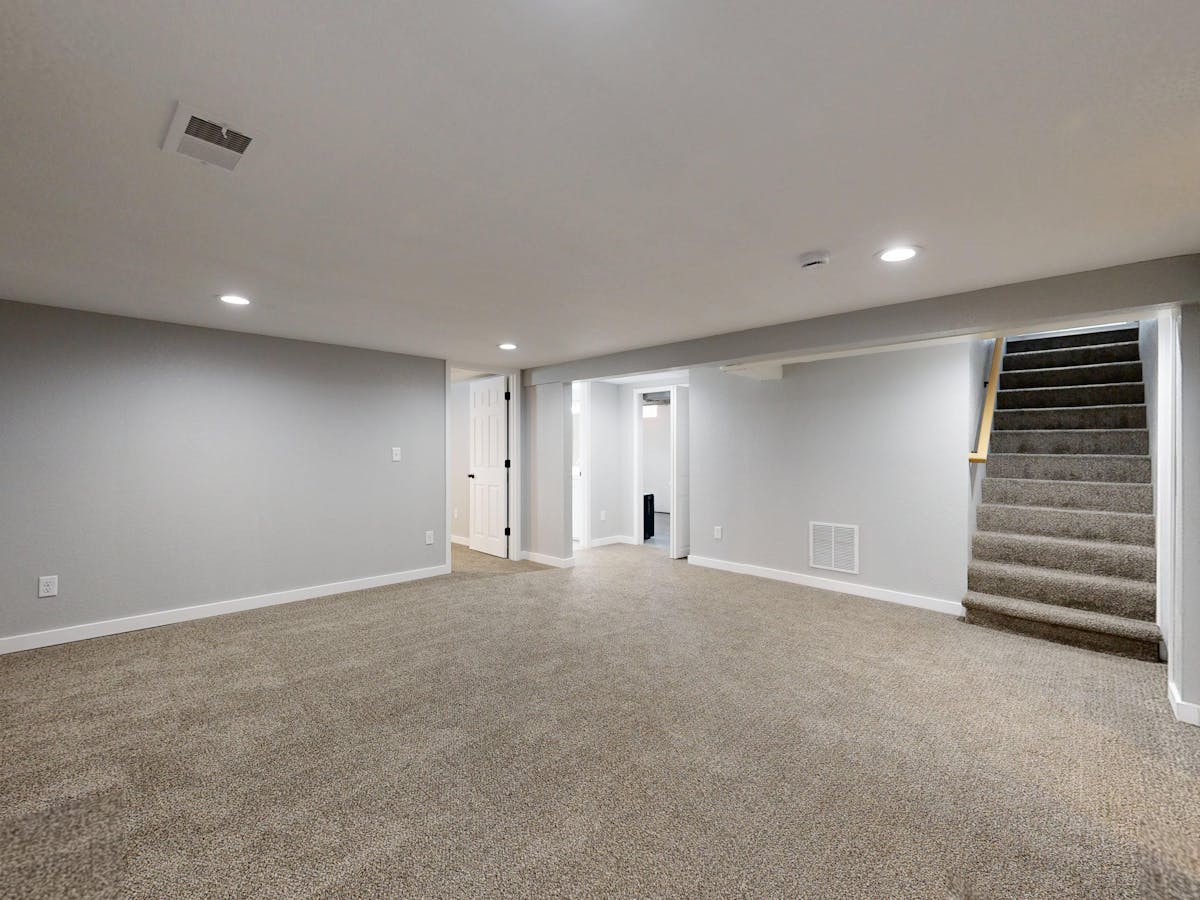
This is fully developed with flooring, walls, and lighting. It can be used as living space but still may not count as a story legally.
Size and Selection Guidance
The size of your basement should match your needs. A small home may only need a basic storage basement. A larger home may use it for living or rental space.
If you plan to sell later, a bigger and usable basement adds value. But you should check local building rules before planning. Not every basement size will change your home classification.
Materials and Construction Options
Basements need strong materials because they sit below ground. Concrete is the most common choice. It handles pressure and moisture well.
Waterproofing materials are also important. These include sealants, drainage systems, and insulation. Without these, you may face dampness and damage.
Flooring choices matter too. Tiles, vinyl, and treated wood work better than normal wood. They handle moisture better and last longer.
Practical Usage Tips
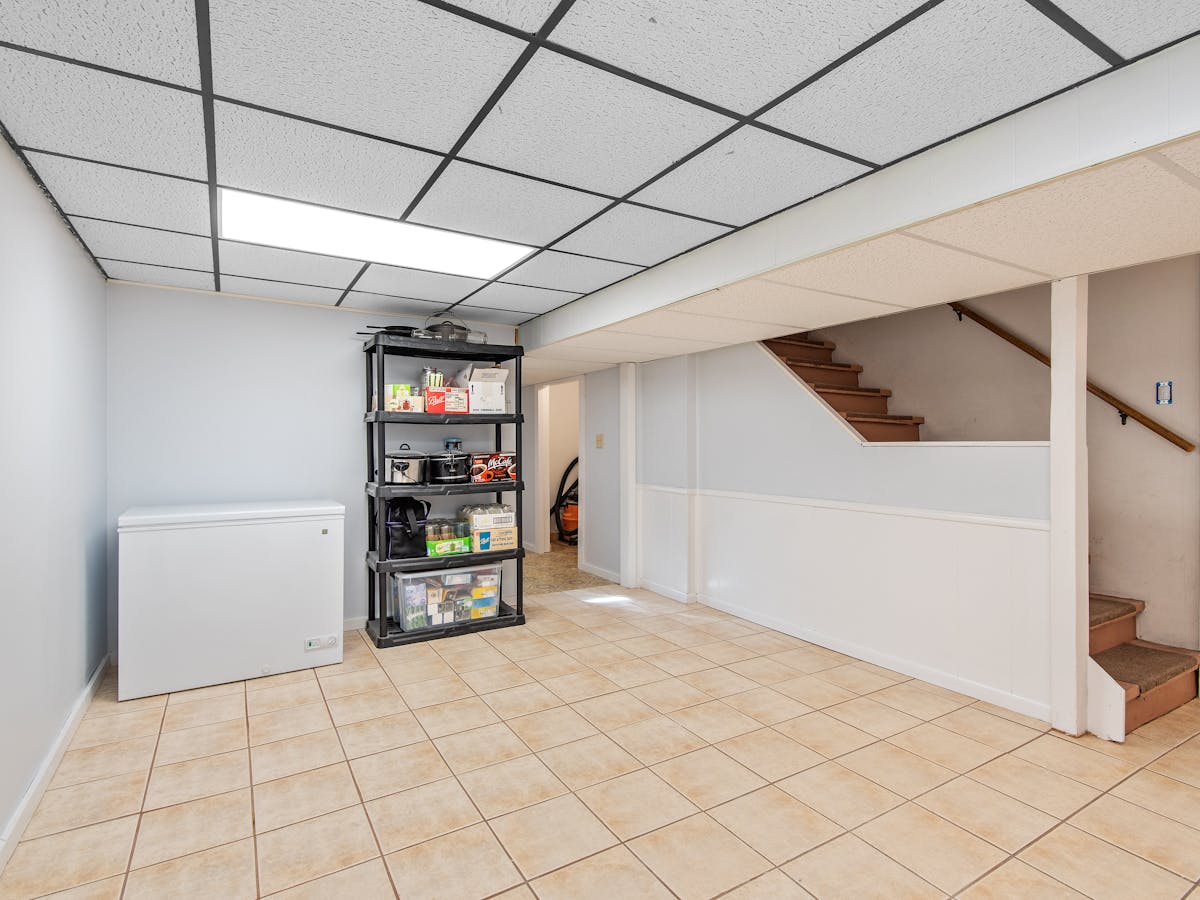
You can use a basement in many ways. Storage is the most common use. It helps keep your main floors clean and organized.
You can also convert it into a living area. Many people create a home office, gym, or guest room. If done right, it increases your home’s comfort and value.
Always ensure proper ventilation and lighting. Without these, the space can feel closed and unhealthy.
Styling and Design Ideas
A basement does not have to feel dark. You can design it to look bright and modern. Use light colors on walls and ceilings. Add mirrors to reflect light.
Install good lighting systems. LED lights work well for basements. If possible, add windows or glass doors.
Use simple furniture to avoid a crowded feel. Keep the layout open and clean for better movement.
Budget Friendly Options
You do not need a large budget to improve a basement. Start with basic cleaning and painting. This alone can improve the space.
Use affordable flooring like vinyl sheets. They are easy to install and resist moisture. Choose simple lighting instead of expensive fixtures.
You can upgrade in steps. First fix structure and safety. Then move to design and comfort.
Latest Trends in Basement Use
Modern homes use basements in smart ways. Many people now create rental units in basements. This adds extra income.
Home theaters and gaming rooms are also popular. These use the quiet and private nature of basements.
Fitness areas are another trend. A basement gym saves time and offers privacy.
Maintenance Tips
Basements need regular care. Check for water leaks often. Even small leaks can cause damage over time.
Keep the space dry. Use dehumidifiers if needed. Clean air vents and ensure proper airflow.
Inspect walls and floors for cracks. Fix them early to avoid bigger issues. Regular maintenance keeps the basement safe and usable.
Common Mistakes to Avoid
Many people ignore waterproofing. This leads to moisture problems later. Always invest in proper sealing.
Some homeowners use poor lighting. This makes the space uncomfortable. Good lighting is essential.
Another mistake is overloading the basement with heavy items. This can affect structure and safety. Plan your usage carefully.
Real Life Practical Insights
If you plan to sell your home, a finished basement can increase interest. Buyers like extra usable space. However, not all buyers see it as an extra story. So pricing should match local market standards.
If you plan to rent the space, check legal rules. Some areas require permits for basement rentals.
Small Spaces and Practical Use Cases
Even a small basement can be useful. You can turn it into a storage zone with shelves and boxes.
A compact home office works well in a small basement. Add a desk, chair, and proper lighting.
You can also create a laundry area. This keeps noise and clutter away from main living spaces.
Use vertical storage to save space. Keep the layout simple and organized.
Actionable Advice for Homeowners
Before building or renovating, check local building codes. These rules decide if your basement counts as a story.
Plan your basement use early. Decide if it will be storage, living space, or rental unit.
Invest in waterproofing and ventilation first. These are more important than design.
If you want to increase value, finish the basement properly. But do not assume it will always count as an extra story.
FAQ Section
Does a basement automatically make a home multi story
No. A basement does not always count as a story. It depends on how much of it is above ground and local building rules.
What is a walkout basement
A walkout basement has a door that opens outside. It is partly above ground and may sometimes count as a story.
Does a finished basement increase home value
Yes. A finished basement adds usable space and can increase value, even if it is not counted as a full story.
Can I use my basement as a living space
Yes. You can use it as a bedroom, office, or living room if it meets safety and ventilation standards.
Is a basement considered a floor in real estate
Sometimes. Real estate listings may call it a level, but official classification depends on building codes.
How do I make my basement comfortable
Use proper lighting, ventilation, and moisture control. Choose simple furniture and light colors to improve comfort.
Conclusion
A basement does not always make a home a multi story. The final answer depends on design, ground level, and local rules. You should focus on making your basement useful and safe. If you plan well, it can improve your home’s value and daily living experience.