












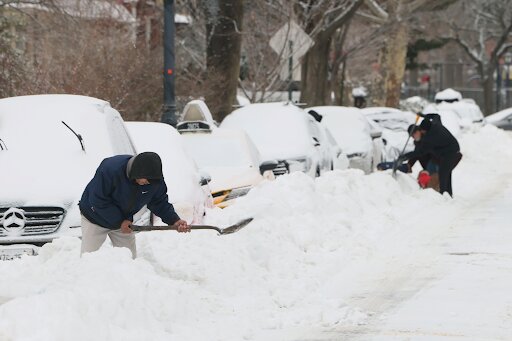
When Winter Storm Fern hit the Southeast in late January 2026, it carried $4 billion in damages and left more than a million customers without power. In Florida, the immediate concern was the freezing temperatures. It was the coldest the state had seen in more than 15 years, with lows in the 20s forecast for Tallahassee, Jacksonville, and as far south as Orlando. The USDA formally designated 26 Florida counties as federal natural disaster areas, citing freeze, frost, and ice that persisted from January 23 through February 5.
Within weeks, homeowners across North Florida started reporting ceiling stains, damp insulation, and water intrusion with no definite source. It was the second consecutive winter to expose the same vulnerability. The January 2025 storm broke the state’s all-time snowfall record and caused financial losses exceeding $200 million. A subsequent review found that structural damage was rarely immediate, moisture infiltration and weakened fasteners often went undiscovered until weeks after temperatures recovered. Homes built before 2002 were disproportionately affected.
A Code Built for One Kind of Storm
To understand why North Florida homes are so exposed, it is important to look at what they were built to withstand.
Florida’s 8th Edition Building Code sets detailed requirements for wind-uplift resistance, underlayment, and fastening systems engineered for hurricane-force conditions. The Florida Building Code preface explicitly states that snow load requirements “should not be utilized or enforced because Florida has no snow load or earthquake” provisions. No equivalent standard exists for ice-and-water protection at roof eaves, the primary line of defense against ice dam formation in cold-climate construction.
The January 2025 storm initiated formal discussions among engineers and regulators about whether that exemption still holds. The 9th Edition Florida Building Code is now in development, with final adoption expected in December 2026. Whether cold-weather roof protections will be included remains to be discovered.
How the Damage Begins
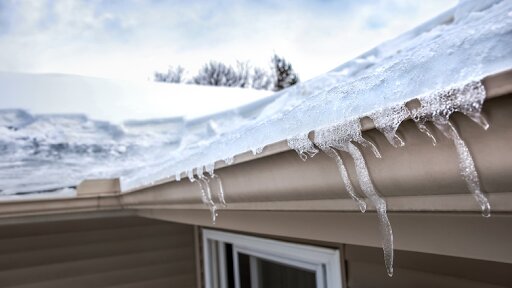
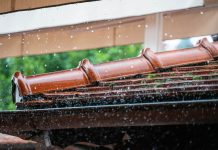
That code gap has a direct physical consequence. When heat escapes through a poorly insulated roof deck, it melts snow or ice near the peak. The meltwater flows toward the colder eave, refreezes, and builds into a barrier. Water pooling behind it has nowhere to go but under the shingles, and one inch of standing water across a 2,000-square-foot roof adds more than 10,000 pounds of load to a structure that is not designed for it.
The attic is almost always where the problem originates. The U.S. Department of Energy recommends a minimum of R-38 insulation for North Florida’s climate zone. Most older homes in the region fall well short of that threshold, meaning warm air rises unevenly to the roof deck and creates the temperature differential that drives ice formation at the eave.
In colder climates, ice-and-water shield membranes installed at the eave line address exactly this risk but the current Florida’s building code does not require them.
What Homeowners Don’t See
By the time damage becomes visible, it has usually been developing for weeks. Water forced under shingles travels along the roof decking before surfacing, appearing at ceiling seams, around recessed lighting, or inside walls far from where the ice actually formed. A freeze event in January may produce no visible interior damage until a March rainstorm pushes water through the same compromised entry point. By then, mold growth inside wall cavities is already a possibility.
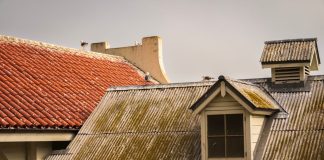
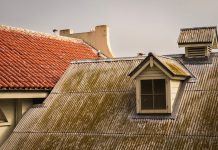
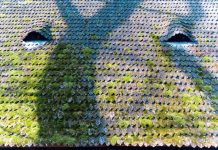
The freeze-thaw cycle creates a second, slower problem. Asphalt shingles lose protective granules as temperatures fluctuate repeatedly, exposing the base mat to UV degradation. Flashing around chimneys, vents, and skylights loosens with each contraction cycle. A standard asphalt roof in North Florida is built to last 20 to 25 years. Repeated freeze-thaw exposure without adequate protection shortens that window without a single named storm ever making landfall.
What Homeowners Can Do
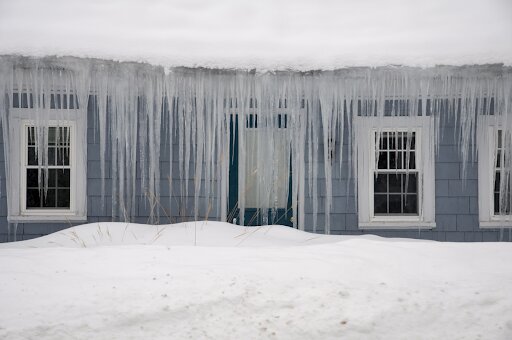
The 9th Edition code won’t be finalized until December 2026. For homeowners facing another winter before that, preparation has to come first. FoxHaven roofing company identifies three things that should be prioritized while preparing: first, verify attic insulation meets DOE zone minimums; second, have soffit and ridge vents inspected and cleared, and confirm whether an ice-and-water shield membrane was installed at the eave during the last re-roofing.
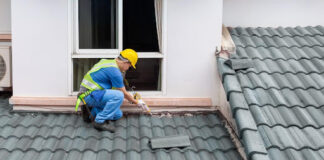
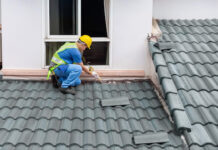
For homes due for re-roofing, an ice-and-water shield at the eave and in roof valleys is the most reliable fix available. For existing roofs, a post-freeze inspection can point out granule loss, flashing separation, and cracked sealants before they become interior water damage. The type of damage the National Roofing Contractors Association classifies as largely preventable when identified early. Two consecutive winters have made post-freeze inspection a necessity, and it should be treated as such.