















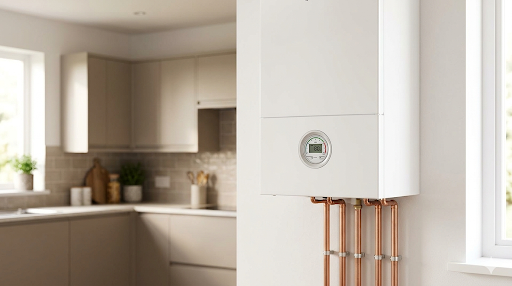
A boiler is one of the most important systems in your home, but most homeowners do not think about it until something stops working. It quietly provides heating and hot water every day without much attention. Then suddenly, during the coldest part of winter, the system fails and the house becomes uncomfortable within hours.
Most boilers do not stop working without warning. Small issues usually appear long before a complete breakdown happens. Many homeowners ignore those early signs because the heating still works most of the time. Unfortunately, delaying action often leads to expensive repairs, higher energy bills, and emergency callouts during busy winter months.
Recognising the warning signs early allows you to plan ahead. You can replace the boiler at the right time instead of rushing into an emergency installation during freezing weather. It also gives you more time to compare options, find a qualified engineer, and avoid unnecessary stress.
How Long Should a Boiler Last?
A modern condensing boiler usually lasts between ten and fifteen years when it receives annual servicing and proper maintenance. Some systems continue working beyond that range, but efficiency normally declines with age even when the boiler still appears functional.
Older boilers waste more energy because internal components gradually wear down over time. Heat exchangers become less effective, seals weaken, and moving parts no longer operate as efficiently as they once did. This means the boiler burns more fuel to produce the same amount of heat.
A boiler installed before 2005 may operate at much lower efficiency compared to modern systems. That can result in significantly higher gas bills throughout the year.
Age alone does not always mean replacement is necessary. However, when an older boiler begins developing repeated faults, replacement often becomes the more practical and cost-effective solution.
1. Energy Bills Are Climbing Without Explanation
Increasing gas bills are often one of the first signs that a boiler is losing efficiency. If your heating habits remain the same but your energy costs continue rising each winter, the boiler may be responsible.
As boilers age, their internal parts become less effective. Limescale can build inside the heat exchanger, seals may begin wearing out, and the system must work harder to maintain the desired temperature. This extra effort increases fuel consumption.
Many homeowners blame rising tariffs alone and fail to notice how much their boiler performance has declined over time. Looking at your annual energy bills over several years can help reveal whether the system is becoming less efficient.
A modern A-rated boiler uses far less fuel than an older model. Replacing an outdated system can reduce monthly heating costs while improving overall comfort throughout the home.
2. You Are Calling for Repairs More Than Once a Year
Every boiler may require occasional maintenance or repairs during its lifespan. A single repair every few years is completely normal. Repeated callouts within the same heating season usually indicate a larger problem.
When multiple parts begin failing one after another, the boiler is often reaching the end of its reliable working life. Replacing one faulty component may temporarily solve the issue, but another fault may appear soon after.
Repair costs can quickly become difficult to justify. Homeowners often continue paying for smaller fixes because each individual bill seems manageable. Over time, however, the total expense may approach the cost of installing a completely new boiler.
Keeping a written record of repairs is helpful. Note the date, the issue, the replaced part, and the repair cost. This information helps engineers assess whether further repairs are worthwhile.
Having access to a reliable emergency plumber Brentwood homeowners trust can help during urgent situations, but preventing repeated breakdowns through timely replacement is usually the smarter decision.
3. Strange Noises Have Become Normal
A boiler should operate quietly during normal use. A soft humming sound is expected, but loud or unusual noises are not.
Banging noises may indicate pressure problems or limescale buildup inside the heat exchanger. Whistling often suggests restricted water flow. Gurgling sounds may result from trapped air within the system. Clunking noises can point to worn internal components.
These sounds often develop gradually. Many homeowners become so used to hearing them that they stop noticing how abnormal the boiler actually sounds.
If visitors comment on unusual noises coming from your boiler cupboard, take that as a warning sign. Strange sounds usually indicate that the system is under strain and may eventually fail if the problem continues.
An engineer can often identify the issue early and recommend whether repair or replacement is the better option.
4. Radiators Are Slow to Warm Up
A properly functioning boiler should heat your radiators quickly and evenly. If your home takes much longer to warm up than it did in previous years, the system may no longer be operating efficiently.
Before blaming the boiler, bleed the radiators first. Trapped air is one of the most common causes of cold spots and uneven heating.
If bleeding the radiators does not improve performance, the boiler may be struggling to circulate hot water properly throughout the system.
This issue often affects larger properties or homes that have been extended since the original boiler was installed. The boiler may no longer have enough capacity to handle the heating demand of the property.
Slower heating also increases energy use because the boiler runs longer to reach the required temperature.
5. The Pilot Light Will Not Stay Lit
Older boilers usually contain a visible pilot light that remains lit during operation. If the flame repeatedly goes out, there may be an internal fault within the system.
In some cases, the issue may involve a dirty thermocouple or a minor ignition problem. Persistent pilot light failure, however, may indicate deeper faults involving the gas valve or ignition system.
Gas-related faults should always be treated seriously. Only a Gas Safe registered engineer should inspect or repair gas appliances in the United Kingdom.
Attempting to repair gas systems yourself creates serious safety risks and may also violate legal requirements.
If your pilot light regularly goes out, arrange a professional inspection as soon as possible.
6. Water Is Appearing Around the Unit
Water around a boiler is never harmless. Even a small leak can eventually cause major damage if ignored.
Leaks often develop because of worn seals, faulty pressure valves, corrosion, or cracks within the heat exchanger. Older boilers are especially vulnerable to corrosion after years of continuous use.
Moisture around the system may also damage nearby flooring, walls, and electrical components. In severe cases, water exposure can create additional safety hazards.
Some homeowners delay repairs because the leak appears minor at first. Unfortunately, small leaks rarely stay small for long.
If you notice water pooling beneath the boiler, switch the system off and contact a qualified engineer immediately.
7. The Flame Is Yellow or Orange Instead of Blue
A healthy gas boiler should produce a clean blue flame. A yellow or orange flame may indicate incomplete combustion.
This is a serious issue because incomplete combustion can produce carbon monoxide. Carbon monoxide is extremely dangerous because it has no smell, colour, or taste.
Exposure can cause headaches, dizziness, nausea, breathing problems, and in severe cases, death.
Every property with a gas boiler should have a carbon monoxide alarm installed nearby. Test the alarm regularly to ensure it functions properly.
If you notice an unusual flame colour or your carbon monoxide alarm activates, leave the property immediately and contact emergency gas services.
Do not return until professionals confirm the property is safe.
8. Water Temperature Swings Between Extremes
Your hot water supply should remain stable during daily use. If the water suddenly changes from very hot to cold without warning, the boiler may be struggling to regulate temperature correctly.
Several issues can cause these fluctuations. The thermostat may no longer provide accurate readings. The diverter valve may begin failing. Internal control components may also deteriorate with age.
Temperature swings are frustrating during showers and normal household tasks. They also increase energy waste because the boiler constantly adjusts its output while trying to maintain stable temperatures.
This issue often becomes more frequent as boilers get older. Replacing the system usually restores reliable and efficient hot water performance.
Repair or Replace: The Decision Framework
Three important factors should guide your decision when choosing between repair and replacement.
The first factor is age. Boilers older than ten years usually become less reliable and less efficient over time.
The second factor is repair frequency. Multiple repairs within one year often indicate general system decline instead of isolated faults.
The third factor is cost. If annual repair expenses begin approaching a large percentage of replacement costs, investing in a new boiler often provides better long-term value.
Modern A-rated condensing boilers operate at much higher efficiency levels compared to older systems. Many homeowners notice lower energy bills immediately after installation.
After Installation: Protect Your Investment
Once a new boiler is installed, annual servicing becomes essential. Most manufacturers require yearly servicing to maintain warranty coverage.
Missing even one service appointment may void the warranty completely. That could leave homeowners responsible for future repair costs that would otherwise have been covered.
A standard boiler service usually takes around one hour. Engineers inspect gas pressure, safety controls, electrical connections, and flue emissions while checking the entire system for potential problems.
Summer is often the best time to schedule servicing because engineers generally have more availability outside the busy winter season.
A boiler replacement is a major household investment, but it also delivers immediate benefits. Lower heating bills, fewer breakdowns, improved efficiency, and reliable hot water all contribute to a more comfortable and stress-free home.