
















I’ll be honest, I thought modular sofas were just a trendy gimmick at first. Then I bought one, and now I can’t imagine going back to regular furniture. Seriously, it’s that good.
Let me walk you through everything I wish someone had told me before I started shopping.
What Are Modular Sofas Really
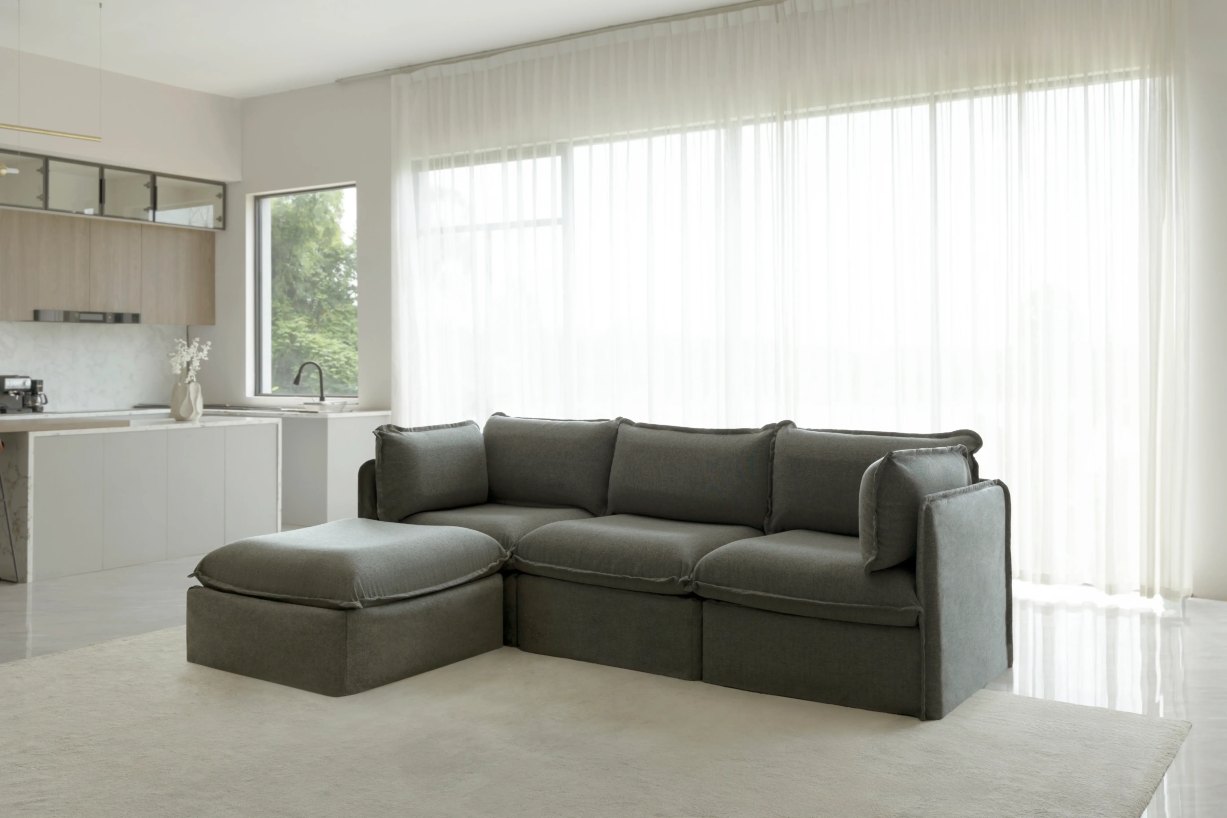
Modular sofas are basically furniture Lego. Individual pieces you arrange however you want instead of one fixed shape. Need an L today? Done. Want a straight line tomorrow? Move some pieces around. Having people over? Add more sections.
The whole idea is flexibility. Your furniture changes with your life instead of being stuck in one configuration forever. Because who actually keeps the same living room setup for 10 years anyway?
Measure Your Space Before Anything Else
Grab a tape measure right now. Don’t guess, don’t eyeball it, actually measure. I skipped this step once and ended up with pieces that overwhelmed my entire living room. Expensive mistake.
You need the wall length where the sofa goes, room depth front to back, doorway and hallway widths, and stairway dimensions if needed. Write everything down so you don’t forget. Small rooms work great with modular sofas because you can start with fewer pieces and build out over time. Big rooms let you go all out. Either way, knowing your space saves returns and headaches.
Think About Your Real Life
Forget Instagram photos for a minute. How do you actually use your living room every day?
I watch movies constantly, so I needed comfortable lounging pieces facing the TV. My sister has three kids, so she got stain-resistant fabric and pieces that handle chaos. Different lives, different needs. Ask yourself if you host parties or prefer quiet nights, whether you have kids or pets, and if you nap on the sofa regularly. Your answers change what pieces and fabrics actually make sense for you.
Understanding the Piece Types
Modular sofas are built from different piece types that you can mix and match, and understanding how each one functions helps you create the right layout.
Corner pieces form L-shaped and U-shaped configurations, while armless sections act as the core building blocks you can extend as needed. Chaise lounges are ideal for stretching out, and ottomans can serve as footrests, extra seating, or even casual coffee tables. End pieces, with arms, help frame and finish the overall setup.
That said, not all modular sofas offer the same level of flexibility. At a basic level, most allow individual pieces to connect and come apart. But true modularity goes further than that.
Every piece is designed to connect seamlessly, but also to adapt. Ottomans can attach to any seat, whether it’s an armless unit or an end piece. Corner units can double as end pieces. Seats and cushions can be rotated and repositioned as your space or preferences change.
The result is a system that isn’t just modular, it’s genuinely flexible. With a durable steel frame and secure, easy-to-use connections, you can rearrange your layout anytime without worrying about shifting or instability.
Configuration Possibilities
This is where modular sofas get fun. L shapes work great in corners and define spaces in open layouts. Straight lines are classic and fit narrow rooms well. U shapes create conversation areas perfect for entertaining and seat a ton of people. Corner sectionals are especially popular because they make the most of unused corner space while giving you a generous, comfortable seating area.
I started with a simple L, then added an ottoman to create a chaise when I realized I nap on my sofa way more than I expected. Next month I might try a completely different setup just because I can.
Fabric and Color Choices
Fabric determines how your modular sofa looks and how much maintenance you will deal with. Velvet looks gorgeous but can show every spill and pet hair. Leather cleans easily but gets sticky in summer and cold in winter. Linen is beautiful but wrinkles constantly. Performance fabric is the practical winner. Looks good, cleans easily, handles daily use without looking destroyed.
For color, that trendy shade you love today might look off in three years. Neutrals like gray, beige, navy, and charcoal never go dated and work with any decor style. Keep the sofa neutral and use pillows and throws for color. Change those out whenever you want without replacing the whole sofa.
This approach includes a range of performance fabrics across different upholstery types, all made for daily use. Every option is machine washable, liquid and stain resistant, with pet-friendly choices available. The slipcovers are fully removable, so you can toss them in the wash when needed, and even interchangeable, allowing you to keep an extra set on hand for wash days or switch up your look whenever you feel like it.
Quality and Budget
Cheap modular sofas fall apart fast. Look for solid hardwood, engineered wood frames, or steel/aluminum frames for the most stable and durable base. High-density foam cushions means your seat will keep its shape over time, and sturdy metal connectors between the modules. A real warranty tells you a lot about whether a brand actually stands behind what they sell.
When it comes to budget, it’s less about price and more about quality. Lower-cost sofas often use lighter materials that wear out quickly, leading to sagging, wear, and the need to replace sooner than expected.
Investing in better materials and design upfront means your sofa holds its comfort and structure over time. And with a modular design, you can replace individual sections as needed instead of the entire couch. The focus is on durable materials and long-term performance built to last, not just for now, but for years to come.
Making Your Decision
Picking a modular sofa comes down to your space, your lifestyle, and what you can spend. Start with a basic configuration you know works, then add pieces as you figure out what you actually need. That’s the whole beauty of modular design, it grows with you.
Anabei specializes in modular sofas and corner sectionals built for real homes and real life. Their pieces are designed to rearrange anytime, connect without issues, and hold up long term. If you want furniture that adapts to you instead of the other way around, they’re worth checking out at Anabei.