
















A wall leak often starts as a small problem but can quickly get worse. You might see a damp spot or notice a strange smell, which can be stressful. The good news is, if you act quickly and follow the right steps, you can fix it.
It’s important not to ignore a wall leak because it can cause mold and damage inside your home. Over time, it can also weaken the structure, leading to bigger repairs. It’s best to fix it now while it’s still a small issue.
Common Causes of Water Leakage in Walls
A common cause of wall leaks is hidden plumbing problems. Pipes may crack, loosen, or burst, especially if they are old or not installed well. When this happens, water slowly seeps into the wall and spreads.
Roof damage or clogged gutters can also cause leaks. If rainwater has nowhere to go, it can get trapped inside the wall. This often happens during heavy storms or long periods of rain.
Cracks in the wall are another common reason for leaks. Even small cracks, especially on outside walls, can let water in. Over time, these cracks get bigger and let in more moisture.
Poor waterproofing is another problem that can go unnoticed at first. Some homes do not have enough protection on their outside walls. When it rains, these walls can soak up water easily.
Signs of Water Leakage in Walls
One of the first signs is a damp or wet spot on the wall. It might feel cold or look darker than the rest of the surface. Sometimes it spreads slowly, so you might not notice it right away.
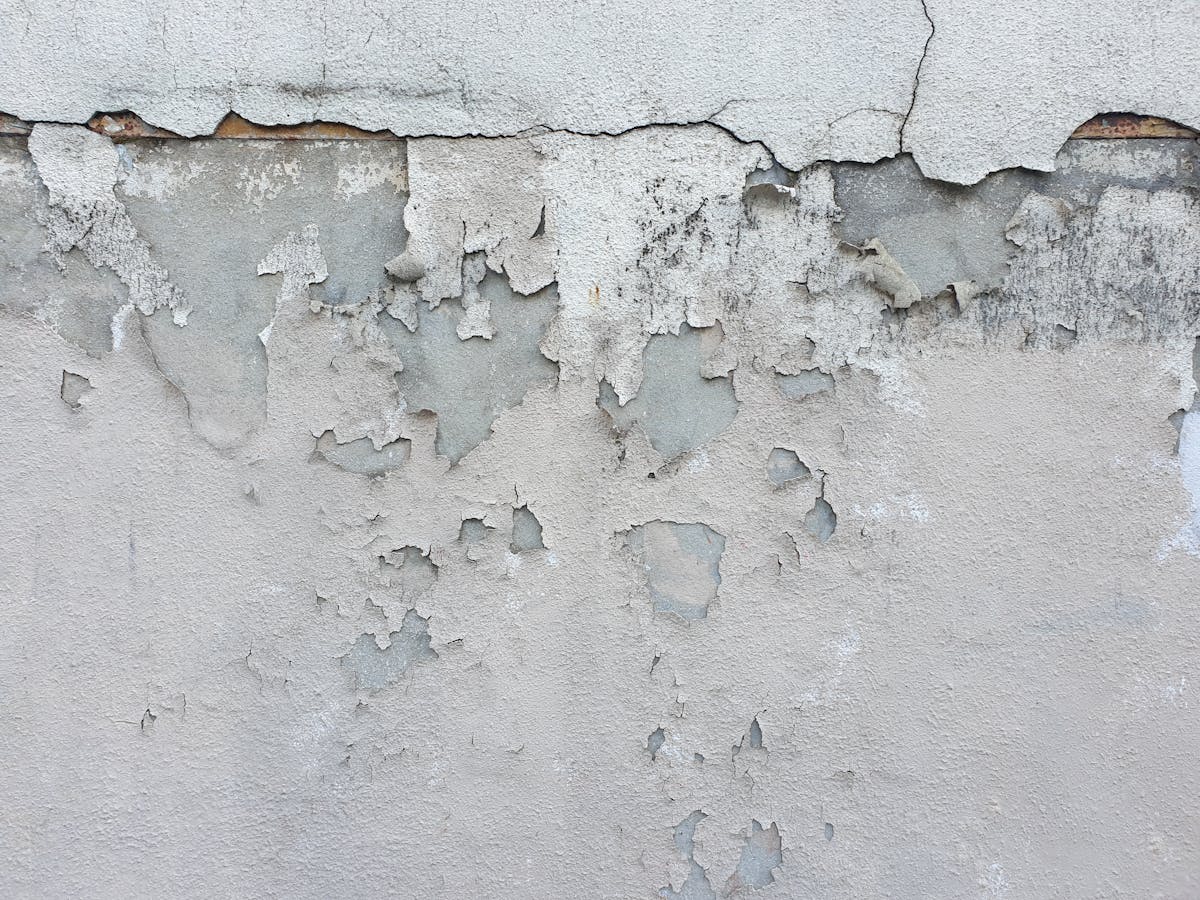
Peeling paint or bubbling wallpaper is another clear sign. When water gets behind the surface, it pushes the paint outward. That’s usually a warning that moisture is trapped inside.
You might also smell something musty or see mold forming. Mold loves damp areas, so it grows quickly once water is present. If you see black or green spots, that’s a strong sign of a leak.
How To Stop Water Leakage From A Wall
First, find out where the water is coming from. Check if it is from inside, like a pipe, or from outside, like rainwater. This is important because the solution depends on the source.
If the leak is from plumbing, turn off your water supply right away. This stops more water from getting into the wall and gives you time to check the problem without making it worse.
Next, dry the affected area as much as you can. Use fans, open windows, or even a dehumidifier if you have one. The goal is to remove moisture before it leads to mold.
After drying, seal any visible cracks or gaps. Use a waterproof sealant that is easy to apply. Make sure the surface is dry before sealing.
If the pipes are causing the leak, you may need to tighten or replace them. Small leaks can often be fixed with basic tools. If the problem seems serious, it is best to call for help.
Finally, apply a waterproof coating to the wall. This adds a protective layer and helps prevent future leaks. You can also repaint using waterproof paint for extra protection.
Quick DIY Fixes for Minor Leaks
For small leaks, a waterproof sealant can do a lot. It’s easy to use and works well on tiny cracks. Just apply it evenly and let it dry properly.
You can also use patching compounds for damaged areas. These help restore the wall surface and block moisture. It’s a simple fix that works for minor issues.
Temporary fixes like leak tape can help in emergencies. They will not last long, but they can stop water for now. This gives you time to plan a proper repair.
When to Call a Professional
Sometimes a leak is hard to find or keeps coming back. This usually means there is a bigger problem. In these cases, it is safer to call a professional restoration company like Spartan Restoration Inc for water damage restoration and repair.
If you notice structural damage or large cracks, don’t try to fix it alone. These problems can get worse if handled incorrectly. A professional knows how to deal with it properly.
If you notice mold growing, it is another reason to call an expert. Mold can spread fast and affect your health. It is best to deal with it early before it gets worse.
How to Prevent Water Leakage in Walls
Regular checks can help you catch problems early. Look at your walls, ceilings, and pipes every now and then. It only takes a few minutes but can save you a lot later.
Keeping your roof and gutters clean is also important. When water flows properly, it won’t end up inside your walls. This simple habit makes a big difference.
Sealing exterior walls adds extra protection. It helps block rainwater from getting in. You can do this every few years to keep your home safe.
Risks of Ignoring Wall Leaks
If you ignore a wall leak, mold will likely grow. Mold spreads fast and can affect your breathing. It’s not something you want in your home.
Water can also weaken the wall structure over time. This can lead to cracks, warping, or even serious damage. Repairs become more expensive the longer you wait.
There’s also the cost factor to think about. Small fixes are cheap, but major repairs are not. Fixing the problem early saves both time and money.
Cost to Fix Water Leakage in Walls
The cost depends on how serious the problem is. Small DIY fixes are usually quick and affordable. You may only need basic tools and materials.
Professional repairs cost more but are sometimes necessary. Especially if the damage is hidden or widespread. The price can vary based on labor and materials.
It is better to spend a little now than a lot later. Acting early keeps costs low. Waiting often makes the problem worse and more expensive.
Conclusion
Fixing water leakage from a wall does not have to be complicated. If you find the source early and take the right steps, you can solve it without much trouble. Stay consistent and pay attention to warning signs.
If the problem feels too big to handle, it is okay to ask for help. Some issues need a professional, and that is normal. The important thing is to fix it before it gets worse.