














A roof can look simple from the street, but the material above your head is doing a lot more than keeping rain out. It affects energy use, maintenance, curb appeal, lifespan, repair costs, and how well the building handles Ohio weather. That is why choosing between TPO, metal, and shingle roofs should not be treated like a quick product comparison.
Each roofing system has a different purpose. Some are better for flat commercial roofs. Some are better for steep residential roofs. Some cost more upfront but last longer with fewer issues. The right choice depends on your building, your budget, and how long you plan to stay in the property.
TPO, Metal, and Shingle Roofs: The Simple Breakdown
TPO, metal, and shingle roofs are not really competing in the exact same lane. They serve different types of buildings and different roofing needs. That is where many property owners get confused.
TPO is usually used on flat or low-slope roofs, especially commercial buildings. Metal roofing can work on homes, barns, commercial buildings, and certain low-slope applications depending on the system. Shingle roofing is most common on residential homes with pitched roofs.
So, when we compare them, we are not just asking which roof is “best.” We are asking which one fits the structure. That changes everything.
What Is a TPO Roof?
TPO stands for thermoplastic polyolefin. It is a single-ply roofing membrane commonly used on flat and low-slope roofs. You will often see it on commercial buildings, warehouses, retail spaces, and some modern residential additions.
TPO comes in large sheets that are installed over the roof surface and heat-welded at the seams. That welded seam is one of the major reasons people choose it. When installed correctly, it creates a strong, watertight surface that can handle standing water better than many traditional roofing systems.
Another reason TPO is popular is its reflective surface. White TPO can help reflect sunlight, which may reduce heat buildup on the roof. That can be useful for commercial buildings where cooling costs matter.
TPO is not usually the first choice for a traditional pitched home roof. It is made for a different job.
Comparing TPO, Metal, and Shingle Roofs for Different Buildings
The building itself should guide the roofing decision. A flat commercial building has different needs than a two-story home in a subdivision. A farmhouse, retail plaza, warehouse, and ranch-style home should not all be treated the same.
For flat or low-slope commercial roofs, TPO is often one of the most practical choices. It handles wide roof surfaces well and can be installed in a way that minimizes seams. That makes it a strong option for businesses that need durability without turning the roof into a major architectural feature.
For homes, shingles are usually the most familiar choice. They are cost-effective, widely available, and fit the look of most neighborhoods. If a homeowner wants something more durable and distinctive, metal may be worth considering.
Metal can work well for both residential and commercial properties, but it depends on the roof design. It is tough, long-lasting, and visually clean. But it also needs proper installation, the right panel system, and careful attention around penetrations, seams, and fasteners.
What Is a Metal Roof?
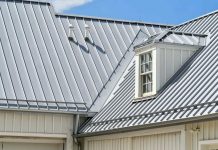
A metal roof is typically made from steel, aluminum, or another metal panel system. It can be installed in standing seam panels, exposed fastener panels, or other styles depending on the project. The look can range from modern and sleek to more traditional.
Metal roofs are known for longevity. They can also perform well in rain, snow, wind, and temperature changes when installed properly. That makes them appealing for property owners who want fewer replacement cycles over time.
The upfront cost is usually higher than asphalt shingles. That is the tradeoff. You may pay more at the beginning, but you may also get a roof that lasts much longer.
Metal is also a strong choice for people who care about appearance. It can make a home or commercial building feel more polished. Clean lines. Sharp finish. Less ordinary.
TPO, Metal, and Shingle Roofs: Cost, Lifespan, and Maintenance
Cost is where most people start, but it should not be where the decision ends. A cheaper roof that needs frequent repairs may not be cheaper in the long run. A more expensive roof may not be worth it if you are only staying in the property for a few years.
Shingle roofs are usually the most budget-friendly upfront. That is one reason they remain so common on homes. They are also easier to repair in sections when individual shingles are damaged.
Metal roofing usually costs more upfront but can last significantly longer than standard shingles. It may also require less frequent replacement. However, repairs can be more specialized, and poor installation can create problems later.
TPO usually sits in its own category because it is mainly used for flat roofing. Its value comes from waterproofing, energy reflection, and commercial practicality. For the right building, it can be a smart investment.
What Is a Shingle Roof?
A shingle roof is the standard roofing system most homeowners recognize. Asphalt shingles are installed in overlapping rows on a pitched roof. They come in different colors, thicknesses, styles, and performance levels.
Shingles are popular because they are practical. They look good on most homes, they are widely available, and repairs are usually straightforward. If a storm damages a section, a contractor can often replace a smaller area instead of the entire roof.
That said, shingles do not last forever. Heat, wind, hail, poor ventilation, and age can all wear them down. Over time, they may curl, crack, lose granules, or lift at the edges.
For many homeowners, shingles are still the best balance of cost, appearance, and performance. They are not flashy. They just work.
Which Roof Is Best for Ohio Weather?
Ohio weather is not gentle on roofs. We get heavy rain, snow, freeze-thaw cycles, strong wind, summer heat, and occasional hail. A roof has to handle a little bit of everything.
For pitched residential roofs, architectural shingles are often a dependable choice when installed correctly. Good ventilation, proper flashing, and quality underlayment matter just as much as the shingle itself. A great product with poor installation will still fail.
Metal can also perform very well in Ohio because it sheds snow and rain efficiently. It is especially attractive for homeowners who want durability and a longer lifespan. The key is choosing the right system for the roof pitch and making sure the details are handled correctly.
TPO is a strong option for commercial flat roofs because flat surfaces need serious waterproofing. Drainage, seam welding, insulation, and edge details all matter. This is not an area where shortcuts age well.
How to Choose the Right Roofing System
Start with the roof slope. If the roof is flat or low-slope, TPO may be the better conversation. If the roof is pitched, shingles or metal are usually more realistic options.
Next, think about your timeline. Are you trying to keep costs down now, or are you investing for the next few decades? That answer may point you toward shingles or metal.
Then look at maintenance expectations. Some property owners want the most affordable repair path. Others want a longer-lasting system with fewer replacement concerns.
This is where working with a local roofing company matters. A company like 614 Exteriors can look at the actual structure, not just the material list, and help determine which system makes sense for the property. Although based in Ohio, 614 Exteriors has the expertise on their website to help you compare prices for roof replacement, siding repair, and all exterior projects.
TPO, Metal, and Shingle Roofs: Final Thoughts
TPO, metal, and shingle roofs all have a place. TPO is often best for flat and low-slope commercial roofing. Metal is a strong long-term option for durability, appearance, and performance. Shingles remain the most practical and popular choice for many residential homes.
The mistake is choosing based only on price or appearance. Roofing is too important for that. You need to consider slope, weather, lifespan, repair needs, budget, and who is installing it.
If we were giving simple advice, it would be this: choose the roof that fits the building first. Then compare cost. Then compare long-term value.