


















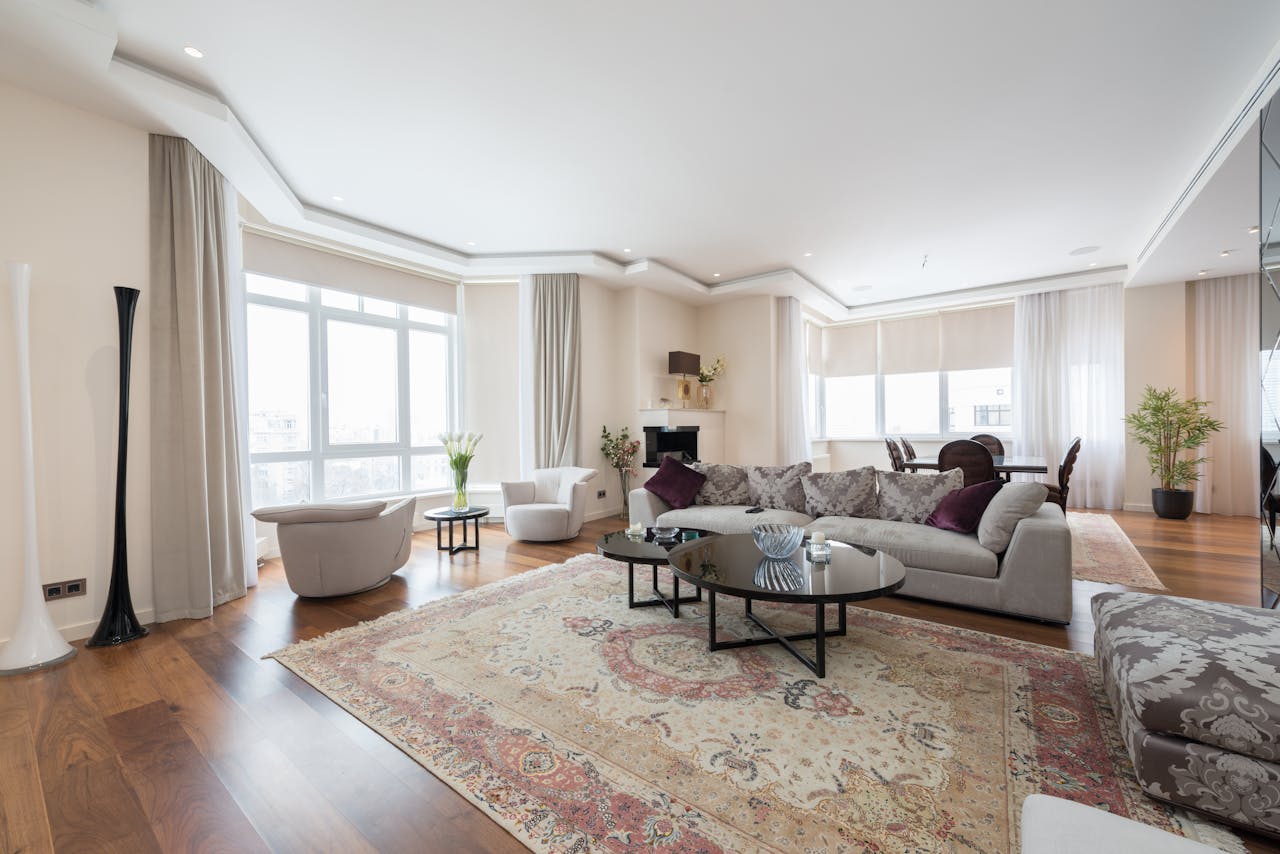
Minimalism isn’t about stripping life down to a cold, empty box. It’s about designing a space that feels calm, intentional, and light.
Clutter sneaks in quietly, like background noise, distracting your focus and adding invisible stress. The good news? You don’t need a full lifestyle overhaul to enjoy the benefits of a minimalist home.
Small, consistent choices can create a space that feels easier to live in and far simpler to maintain. Just keep reading to learn how you can do that.
1. Follow the One-In, One-Out Rule
Clutter rarely appears all at once. It builds gradually, one forgotten purchase at a time. The ‘one-in, one-out’ rule offers a simple way to stop it from taking hold.
Each time you bring something new into your home, choose one item to let go of. A new jacket can replace the one that no longer fits.
A donation box placed in a convenient spot, such as the hallway or laundry room, will make the process effortless.
When it fills, drop it off at your local op shop or charity bin. Many neighbourhoods have them nearby, from Salvos stores to Vinnies, which makes parting with unused items both practical and rewarding.
Also, keep in mind that quality matters more than quantity. Durable, well-made pieces last longer and reduce the need for constant replacements. So, instead of filling your cupboards with items that wear out quickly, invest in fewer essentials that truly last.
2. Get Everyone Involved
Everything works better when everyone in the home is on board. When this mindset is shared, clutter is less likely to creep back in, and your space will be much easier to manage.
Teaching your kids that belongings are tools rather than trophies helps them build lifelong habits of mindful ownership. Adults benefit from the same approach, especially in households where storage space is limited.
Minimalism is not about one person carrying the load. It becomes much easier when everyone contributes, whether that means teenagers clearing their wardrobes, children sorting through toys, or housemates keeping shared spaces in check.
3. Break Cleaning into Manageable Routines
Cleaning doesn’t need to feel like an endless battle with dust and disorder. The easiest way to stay on top of it is to prevent the mess from settling in the first place. Luckily, a few simple habits will keep everything in check.
Simple resets, such as clearing the kitchen bench after meals or straightening up the sheets before bed, create invisible barriers against clutter.
In general, breaking tasks into smaller parts will make chores less demanding. For example, you can vacuum the floors on Mondays, wipe down kitchen surfaces on Tuesdays, and dust shelves on Wednesdays. Spread out over the week, the effort will feel lighter.
That said, life gets busy, and there will be times when cleaning falls to the bottom of your priority list. A regular domestic cleaning service can take the weight off your shoulders by handling the more demanding tasks.
With professionals keeping your home tidy, you’ll avoid the stress of buildup and get more time to enjoy the things that matter most to you.
4. Choose Smart Storage
Good storage makes life feel lighter. When your belongings have a clear place to live, you’ll open cupboards easily, keep your benches clear, and make your whole home feel calmer. This is the true meaning of minimalism.
Multi-purpose furniture can be a quiet game changer. Think of an ottoman that houses board games, a coffee table with drawers that hide the remotes, or a bed base that stores off-season clothes.
In compact Australian homes and apartments, pieces like these often free up precious space and make rooms feel more open.
Everyday items should be within easy reach, while things you use less often, such as camping gear or the Esky that only comes out in summer, can be stored away until needed.
A simple, uncluttered system saves you from rummaging and makes the space easier to enjoy.
5. Try a 30-Day Decluttering Reset
On the first day, remove one item. On the second day, remove two. By the end of the month, nearly 500 items will have left your home without the stress of a single massive clean-out.
The gradual pace trains your eye to notice what you no longer need and makes parting with excess feel natural.
Tracking your progress can help you stay motivated, so take before-and-after photos of the spaces you are tackling, or keep a running list of what you have donated or recycled.
Watching the transformation unfold will be surprisingly satisfying and reinforce your sense of progress.
The best part is that this reset works for any household, whether you are clearing stacks of unread magazines or kitchen gadgets that have never seen the light of day.
6. Keep Cleaning Tools Simple and Effective
A minimalist home does not need a cupboard full of sprays and gadgets. A small, reliable cleaning kit is enough to handle most jobs.
A multipurpose cleaner, a set of microfibre cloths, and a sturdy vacuum will cover the bulk of your needs without adding extra clutter.
Try also to keep supplies close to where you use them. For instance, kitchen cleaners belong near the stove and sink, while bathroom products should be stored within easy reach of the vanity or shower.
A small caddy with everyday essentials placed in a central spot will also save time when a quick clean is needed.
The less time you spend searching for bottles or spare cloths, the easier it will be to stay on top of housework.
Since minimalism often overlaps with sustainability, you should choose biodegradable, non-toxic products to keep your home fresh without bringing in harsh chemicals.
You can also reach for natural standbys like vinegar and bicarb soda. Effective cleaning can be simple, affordable, and gentle on the planet.
Conclusion
Minimalism invites you to shape your home in a way that feels calm, practical, and true to your lifestyle.
That said, there is no single version of minimalism to follow. Your home doesn’t need to look like anyone else’s, and the balance you create should fit your needs. In the end, the goal is simple: clear away the excess so there is more room for the things that truly matter.