


















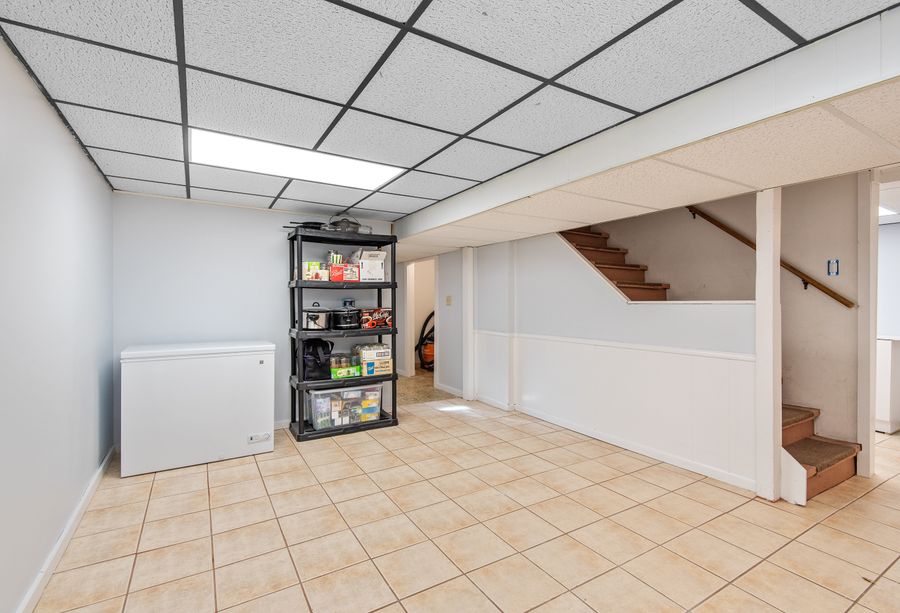
A basement quote can look reasonable until you divide the total by the amount of space being finished. That calculation often reveals whether the estimate covers a complete renovation or leaves important work for later. The number alone never tells the whole story. Layout, moisture, ceiling height, plumbing, materials, and permits can reshape the budget.
For many homeowners, a fair Basement Finishing Cost per Square Foot lands somewhere between a basic open-room renovation and a customized living space. A simple recreation room will cost less than a basement with a bedroom, bathroom, wet bar, office, and built-in storage. The goal is not to chase the lowest price. It is to understand what you are receiving for the money.
What Is a Fair Basement Finishing Cost per Square Foot?
As a planning range, a basic finish may cost around $35 to $55 per square foot when the space is dry, open, and simple. A project with multiple rooms, upgraded lighting, better flooring, and added mechanical work may fall closer to $55 to $85 per square foot. Customized basements can exceed $85 per square foot, especially when bathrooms, bars, egress windows, or structural changes are involved.
These figures are starting points, not promises. Two 1,000-square-foot basements can have very different needs. One may have convenient plumbing, while another requires concrete cutting, electrical upgrades, or moisture repairs. That is why an in-person evaluation matters.
At ReadyGo Remodeling, we believe homeowners should be able to see what drives the price. A detailed estimate should separate the major parts of the project instead of burying everything inside one total. That transparency makes options easier to compare. It turns the Basement Finishing Cost per Square Foot into a useful planning tool rather than a vague sales number.
Why Basement Finishing Cost per Square Foot Can Vary So Much?
Basements present challenges that do not exist in most above-grade rooms. Concrete floors may be uneven, foundation walls can show moisture, and ductwork may cross the exact area where a finished ceiling needs to go. Some spaces are easy to frame. Others require real problem-solving before the visible work begins.
The floor plan plays a major role. An open recreation room needs fewer walls, doors, outlets, and trim pieces than several smaller rooms. A legal bedroom may require an egress window and other code-related improvements. Adding a bathroom can raise the total quickly, particularly when drain lines must be installed beneath the concrete.
The Work Behind the Number:
Framing, Insulation, and Drywall:
Framing must work around beams, stairs, windows, ductwork, and electrical panels. Insulation supports comfort and moisture management, while drywall creates the finished walls and ceilings. Decisions made during these stages affect nearly everything that follows. Small mistakes can create expensive changes later.
Electrical, Plumbing, and HVAC:
Electrical work may include recessed lights, outlets, switches, smoke detectors, and new circuits. Plumbing becomes a major expense when the project includes a bathroom, laundry area, sink, or wet bar. Heating and cooling may need to be extended or rebalanced. These systems should appear clearly in the proposal.
Flooring and Finish Materials:
The flooring product matters, but so does the concrete underneath it. Low spots, cracks, or moisture concerns may need attention before installation. Doors, trim, paint, cabinets, fixtures, and hardware also influence the Basement Finishing Cost per Square Foot. Small upgrades add up when repeated throughout the basement.
How to Compare Quotes From a Basement Remodeling Company?
Do not compare estimates by total price alone. Review whether each proposal includes permits, demolition, debris removal, framing, insulation, electrical work, plumbing, drywall, painting, flooring, trim, and cleanup. One Basement Remodeling Company may provide a complete price, while another excludes items or lists them as allowances. The cheaper quote can become the more expensive one.
An allowance is a placeholder for an item that has not been selected, such as flooring, cabinets, fixtures, or countertops. If those amounts are too low, the estimate will look attractive until selections are made. Ask what products and quality levels each allowance covers. Specific answers make comparisons easier.
Hidden conditions should be discussed before work begins. Moisture damage, outdated wiring, plumbing problems, or poor previous construction may not appear until walls are opened. A reliable contractor should explain how discoveries are documented and priced. Clear expectations protect everyone involved.
A low quote may also leave out permits, painting, finish carpentry, disposal, or final cleanup. It may rely on entry-level materials that do not match what was discussed. Those choices are not automatically wrong, but they should be obvious. Problems begin when a low starting number grows through constant additions.
How to Keep the Project on Budget?
Start by separating necessities from optional upgrades. Moisture control, safe stairs, proper lighting, comfortable temperatures, and code-compliant construction should come before decorative features. Then identify the improvements that will change how your household uses the basement. A bathroom, office, bedroom, or flexible family room may provide more value than several smaller upgrades.
Make selections before construction whenever possible. Flooring, doors, lighting, fixtures, paint, and cabinetry influence both price and scheduling. Early decisions allow the Basement Remodeling Company to prepare a more accurate scope and reduce rushed purchases. They also make it easier to adjust the project before labor is underway.
Finding the Right Basement Finishing Cost per Square Foot:
A fair price matches the basement’s condition, planned layout, finish quality, and complete scope of work. The lowest estimate is not always unfair, and the highest is not always better. What matters is whether the proposal is realistic and clearly explained. You should know what is included before the first wall is framed.
The best starting point is an on-site evaluation and an honest conversation about how the space needs to function. An experienced contractor can help turn an unfinished basement into a comfortable, practical part of the home through thoughtful planning, clear expectations, and improvements that suit the property’s layout and the homeowner’s needs. That is how the Basement Finishing Cost per Square Foot becomes a dependable project budget instead of a guess.