













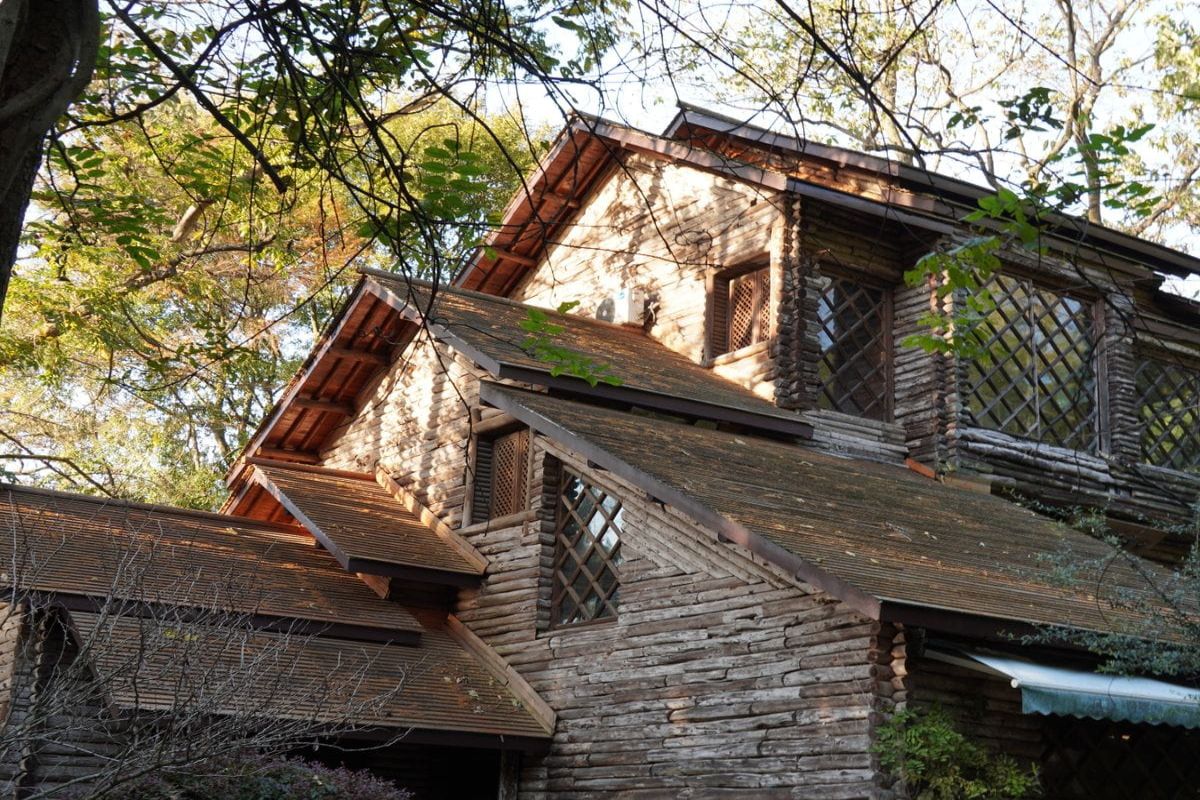
There is something deeply appealing about a home that tells a story through its materials. Reclaimed wood brings character, warmth, and a sense of history that no newly manufactured material can replicate. It is a choice that resonates with homeowners who value authenticity as much as aesthetics.
The Appeal of Using Salvaged Timber in Interior and Exterior Design
Salvaged timber has been used in architecture for centuries, but its popularity in modern interiors has grown significantly over the past decade. Designers and homeowners alike are drawn to the imperfections that make each piece unique: the nail holes, the weathered grain, the subtle color variations built up over decades of use.
One of the most impactful ways to incorporate this material is through wall coverings. Using reclaimed wood cladding on an interior or exterior wall instantly adds texture and depth that painted surfaces simply cannot achieve. It works equally well in rural farmhouses and contemporary urban apartments, adapting to the surrounding design rather than competing with it.
Beyond aesthetics, there is a practical dimension to consider. Reclaimed timber is typically denser and more stable than newly cut wood, because it has already gone through decades of natural drying and settling. This makes it a surprisingly durable material for both decorative and functional applications.
Choosing the Right Reclaimed Wood for Your Project
Not all salvaged wood is the same, and the differences matter. The origin of the timber, the species, the age, and the way it was previously used all influence the final result in your home. Oak beams from a dismantled warehouse will look and behave very differently from pine planks salvaged from an old barn.
When selecting reclaimed timber, it helps to think about the atmosphere you want to create. Dark, heavily patinated wood tends to create a more rustic and grounded feeling, while lighter or more uniformly aged pieces can give a space a quieter, more refined look.
It is also worth thinking about how the wood will be finished. Some people prefer to leave it as close to its original state as possible, preserving the patina. Others opt for a light treatment that protects the surface while maintaining its aged appearance. Both approaches are valid, and the right choice depends largely on where and how the material will be used.
Reclaimed wood is not just a design trend. It is a thoughtful approach to building and decorating that connects the present to the past while making use of materials that might otherwise go to waste. Whether you are planning a full renovation or simply looking to add character to a single room, salvaged timber offers possibilities that are hard to match with any other material.