

















There is a good chance you have spent a lot of time thinking about your kitchen cabinets. The style, the finish, the hardware. But if you have not given much thought to how those cabinets are lit, you might be leaving one of the most impactful design details completely off the table.
Lighting is one of those elements that quietly does a lot of heavy lifting in a kitchen. It affects how the space feels, how well you can work in it, and how good everything looks at the end of the day. The right cabinet lighting can make a beautifully designed kitchen look polished and intentional. Without it, even the most carefully selected cabinetry can fall a little flat.
Whether you are in the middle of a full kitchen remodel or simply looking for ways to refresh your space, this guide breaks down everything you need to know about cabinet lighting in plain, practical terms.
Why Cabinet Lighting Matters More Than You Think
Most kitchens rely on a single overhead light source, usually a ceiling fixture or recessed lights. The problem is that overhead lighting alone creates shadows directly where you need to see most: your countertops, your prep surfaces, and the inside of your cabinets.
Cabinet lighting solves that problem by placing light exactly where it is needed. Beyond function, it also adds depth and dimension to the kitchen, drawing attention to the cabinetry itself and creating a warm, layered look that overhead lighting simply cannot replicate.
Good cabinet lighting does three things at once. It improves visibility for cooking and prep work, it enhances the overall atmosphere of the kitchen, and it highlights your kitchen cabinets as a design feature rather than just a storage solution.
The Main Types of Cabinet Lighting
Understanding your options is the first step toward making a smart choice. Here is a look at the most common types of cabinet lighting and where each one works best.
Under-Cabinet Lighting
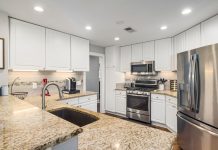
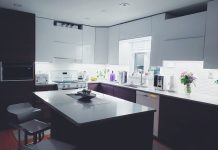
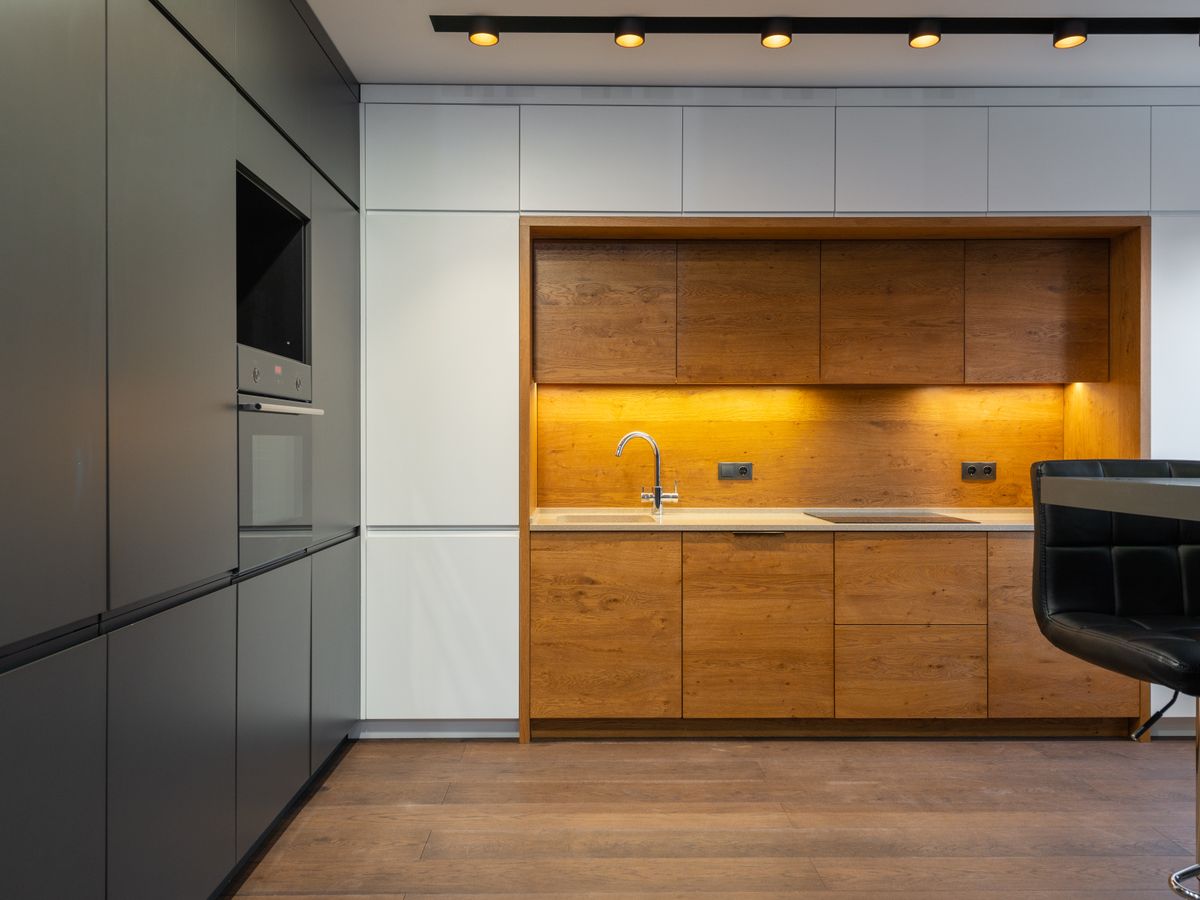
This is the most popular and practical form of cabinet lighting. Under-cabinet lights are installed on the underside of upper cabinets and direct light down onto the countertop below. This placement eliminates shadows and provides excellent task lighting for chopping, reading recipes, and working at the counter.
Under-cabinet lighting comes in several formats:
- Strip lights or tape lights, which offer flexible placement and a seamless look
- Puck lights, which are small round fixtures that work well for targeted light pools
- Linear bar lights, which provide even, consistent illumination across the full cabinet span
If you are going to add just one type of cabinet lighting to your kitchen, under-cabinet is the place to start. The functional payoff is immediate and noticeable.
In-Cabinet or Interior Cabinet Lighting
Interior cabinet lighting is installed inside the cabinet itself, often behind glass-front doors. This type of lighting is both functional and decorative. It makes it easy to find what you are looking for, and it also turns your cabinetry into a display feature.
Interior lighting works especially well in:
- Glass-front upper cabinets used for dishes or glassware
- Open shelving where you want to highlight items on display
- Corner cabinets that tend to be darker and harder to navigate
- Pantry cabinets where visibility is a daily priority
LED strip lights are a popular choice for interior cabinet applications because they are thin, flexible, and produce minimal heat.
Above-Cabinet Lighting
Above-cabinet lighting is placed on top of upper cabinets, directing light upward toward the ceiling. This creates an indirect, ambient glow that adds warmth and visual height to the kitchen without being a direct light source.
This style is particularly effective in kitchens with higher ceilings, where it can make the space feel more expansive. It works best as an accent layer rather than a primary light source, contributing to the overall mood of the room.
Toe-Kick Lighting
Toe-kick lighting is installed along the base of lower cabinets at floor level. While it is not a major functional light source, it adds a soft, grounded glow that works well for nighttime visibility and adds a custom, high-end feel to the kitchen.
This type of lighting is often used in combination with other cabinet lighting layers to create a fully designed look.
LED vs. Other Bulb Types: What You Need to Know
When selecting cabinet lighting, the bulb type matters. LED lighting has become the clear standard for cabinet applications, and for good reasons.
Here is why most homeowners and designers choose LED:
- Energy efficiency. LEDs use significantly less electricity than incandescent or halogen options.
- Low heat output. This is especially important for inside cabinets where heat buildup can be a concern.
- Long lifespan. LEDs last for years without needing replacement.
- Consistent color quality. LEDs are available in a range of color temperatures, from warm white to cool daylight.
Speaking of color temperature, this is one of the most overlooked decisions in cabinet lighting. Color temperature is measured in Kelvins (K), and it affects how your kitchen looks and feels:
- Warm white (2700K to 3000K) creates a cozy, inviting atmosphere and works well in traditionally styled kitchens.
- Neutral white (3500K to 4000K) provides a clean, balanced light that is great for task-heavy areas.
- Cool daylight (5000K and above) is bright and crisp, often used in modern or contemporary kitchens.
A good rule of thumb is to keep your cabinet lighting consistent with the color temperature of your other kitchen fixtures so the light feels cohesive rather than mismatched.
Hardwired vs. Plug-In Cabinet Lighting
One of the practical decisions you will need to make is whether to go with hardwired lighting or plug-in options.
Plug-in cabinet lighting is easier to install and can often be done without professional help. It is a good option for quick upgrades or rental situations. The trade-off is that cords may be visible, and you are limited by the location of nearby outlets.
Hardwired cabinet lighting is installed directly into the electrical system and offers a cleaner, more seamless finish with no visible cords. This is the preferred option for full kitchen remodels or new cabinet installations because it integrates the lighting into the design from the start.
If you are planning a kitchen renovation, adding hardwired under-cabinet or interior lighting during the project is far easier and more cost-effective than going back to add it later. It is the kind of decision that is worth making early in the planning process.
How to Layer Cabinet Lighting for the Best Results
The kitchens that look the most thoughtfully designed typically use more than one type of lighting. Layering your light sources creates depth and gives you flexibility depending on the time of day or the mood you want.
A well-lit kitchen usually combines:
- Ambient lighting for overall brightness (ceiling fixtures or recessed lights)
- Task lighting for work surfaces (under-cabinet lights)
- Accent lighting to highlight design features (interior cabinet or above-cabinet lights)
You do not need to use every type at once. The goal is to choose layers that serve your specific kitchen layout and how you actually use the space day to day.
Adding dimmer switches is a simple upgrade that makes a big difference. Dimmable cabinet lighting lets you shift from full brightness during meal prep to a soft, relaxed glow when you are not cooking. Most LED fixtures are compatible with dimmers, though it is worth confirming before purchasing.
Things to Consider Before You Buy
Before you commit to a cabinet lighting plan, here are a few practical things to keep in mind:
- Measure your cabinet runs. Strip and bar lights need to fit the width of your cabinets for even coverage.
- Check your cabinet depth. Lighting mounted too far forward or back can cause glare or uneven light distribution.
- Think about the finish. Lighting hardware comes in a variety of finishes including brushed nickel, matte black, and others. Matching it to your cabinet hardware creates a more cohesive look.
- Consider smart controls. Many LED cabinet lighting systems are now compatible with smart home systems, allowing you to control them by voice or app.
- Plan for your cabinet style. Glass-front cabinets call for interior lighting. Solid-door cabinets are better served by under-cabinet or above-cabinet options.
A Finishing Touch Worth the Investment
Cabinet lighting might seem like a small detail in the grand scheme of a kitchen renovation, but it is one of those upgrades that homeowners consistently say they wish they had done sooner. It changes how the space looks, how it functions, and how it feels to spend time in it.
Whether you are starting from scratch with a full kitchen remodel or updating an existing kitchen over time, lighting is worth factoring into your plan early. It is one of the most affordable ways to elevate the design and function of your cabinetry, and the results speak for themselves.
If you are in the process of planning a kitchen renovation, talking with a cabinetry professional can help you think through all the details, including how lighting integrates with your cabinet layout and design choices. The more decisions you make intentionally upfront, the more satisfied you will be with the finished result.