












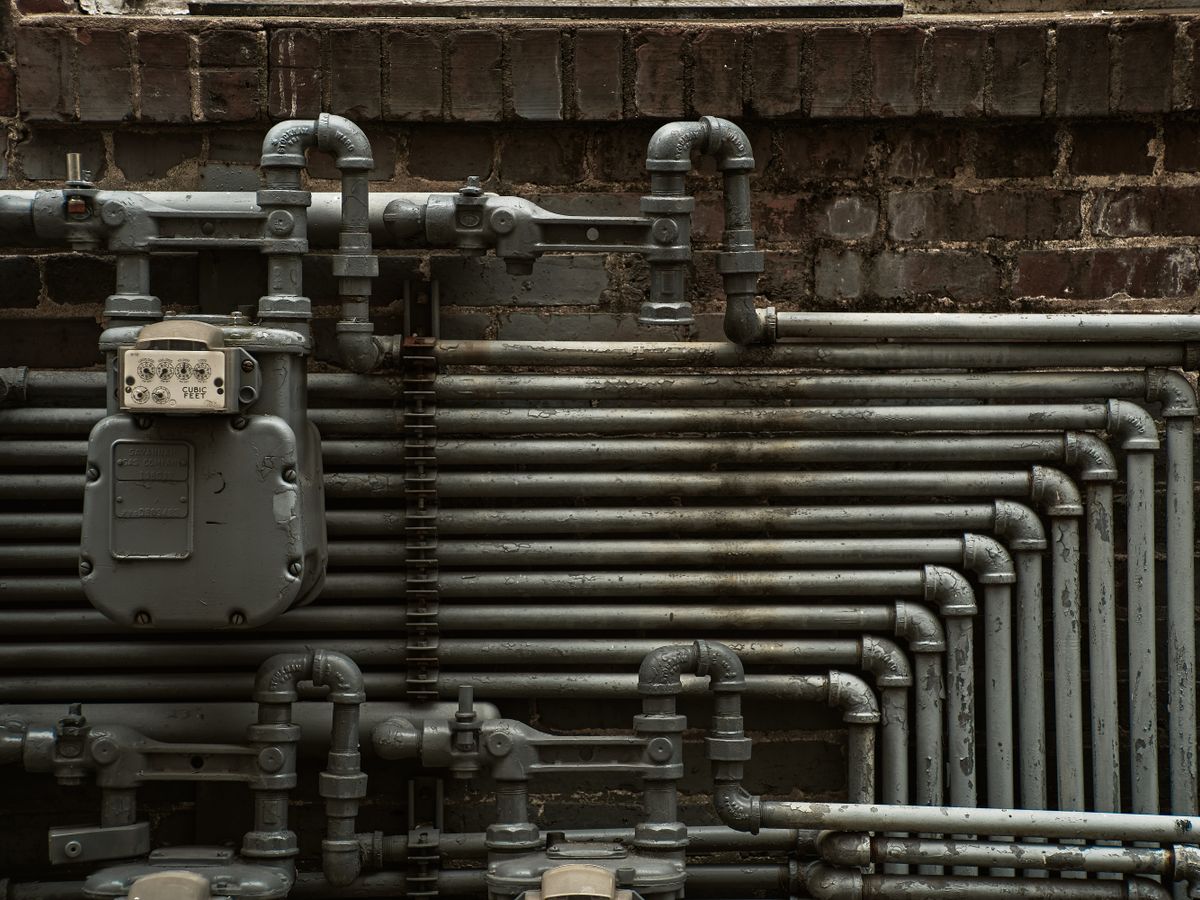
We spend a great deal of time thinking about what we eat, the air we breathe, and the spaces we live in – yet one of the most fundamental contributors to a healthy home often goes completely unseen. Hidden behind walls, beneath floors, and running through ceilings, your home’s water distribution system quietly determines the quality of water you drink, the hygiene of your drains, and even the structural integrity of your home itself. Get it right, and you’ll never think about it again. Get it wrong, and the consequences can range from an annoying drip to a serious health hazard.
The Hidden Cost of Poor Plumbing
Leaks are the most visible symptom of a failing water system, but they’re far from the only one. Persistent moisture from slow pipe leaks creates the ideal conditions for mould and mildew – both of which are strongly linked to respiratory issues, allergic reactions, and compromised indoor air quality. In homes with older metal pipes, corrosion can leach heavy metals into drinking water, posing long-term health risks that are difficult to detect until the damage is already done.
Poorly designed drainage systems create their own set of problems. Slow-draining wastewater, gurgling pipes, or foul odours seeping back through drains are signs of a sanitation system under stress. These aren’t merely inconveniences – they represent genuine hygiene risks for every person in the household. In high-rise buildings and densely occupied residences, the impact of a failing drainage network is amplified significantly.
Understanding what causes these problems – and knowing how to prevent them from the outset – is the first step towards building a home that truly supports health and wellbeing.
Matching the Right Pipe to the Right Purpose
One of the most consequential decisions in designing a water distribution system is selecting the correct pipe material for each application. Not all pipes are created equal, and using the wrong type in the wrong context can lead to premature failure, contamination risks, and costly repairs – particularly once walls and floors are already finished.
For cold-water supply lines that feed taps, showers, and appliances, uPVC pipes are the standard choice. They are chemically inert, corrosion-resistant, and safe for potable water over the long term. However, not all uPVC pipes are manufactured equally. Poorly formulated uPVC can contain heavy metal stabilisers that may leach into the water supply over time, affecting water quality. The ideal specification to look for includes:
- Organic Based Stabilisers (OBS)
- 100% heavy metal-free composition
Choosing uPVC pipes manufactured with OBS-based formulations helps reduce the risk of heavy metal contamination while providing a durable and reliable cold-water distribution system.
Hot-water lines require a different solution. CPVC pipes (Chlorinated Polyvinyl Chloride) are designed to withstand elevated temperatures without deforming or degrading, making them suitable for bathrooms, kitchens, and other hot-water applications. CPVC also offers inherent resistance to microbial growth, making it particularly valuable in environments where hygiene standards are critical, such as:
- Hospitals
- Hotels
- Care facilities
Well-engineered CPVC pipes and fittings provide precision joints and dependable long-term performance.
For pressurised systems such as HVAC networks and solar heating installations, PPR pipes (Polypropylene Random Copolymer) are the preferred choice. Their ability to withstand fluctuating pressure and temperature cycles makes them highly reliable for both residential and commercial mechanical systems.
A home’s water requirements often extend beyond internal plumbing. BirlaNu Leakproof Pipes offers a comprehensive portfolio that includes:
- Plumbing & Sanitation: SWR, Silent, and Foamcore pipes for drainage and waste management
- Agriculture: Pressure, Column, and Casing pipes for borewell and irrigation applications
- Industrial & Infrastructure: HDPE, MDPE, and Gas pipes for high-pressure and heavy-duty environments
Many modern piping systems also incorporate precision-engineered joint technologies that minimise gaps between pipes and fittings during installation, ensuring accurate alignment and long-lasting leakproof performance.
Building a Complete Sanitation System
Equally important to water supply is the management of wastewater and drainage. A well-designed sanitation system keeps flow moving, prevents blockages, and minimises noise-particularly in buildings where living spaces are stacked vertically and a poorly performing drain makes itself known to every floor below it.
SWR pipes (Soil, Waste and Rainwater) are the workhorse of any residential drainage network, handling discharge from toilets, basins, and kitchen sinks. When selected and installed correctly, they help maintain a hygienic flow by ensuring:
- No backflow
- No odour seepage
- No slow-drain build-up that can lead to future blockages
SWR pipes with smooth inner surfaces support uninterrupted flow and reduce the likelihood of blockages that can compromise hygiene over time.
For multi-storey buildings, where drainage noise can travel through structural elements and disturb residents on multiple floors, Silent pipes provide a sound-insulated alternative that significantly reduces the acoustic impact of water movement. While often overlooked during construction, drainage noise frequently becomes a source of resident complaints after occupancy. Installing Silent pipes from the outset helps address this concern effectively.
Below ground, the demands on a drainage system change considerably. Underground drainage requires pipes capable of withstanding:
- Soil pressure
- Ground movement
- Sustained moisture exposure over long periods
UGD (Underground Drainage) pipes and Foamcore pipes are designed to meet these requirements, offering:
- Smooth bore flow
- Long-term structural durability
- Leakproof performance in underground applications
Since underground systems are difficult and disruptive to inspect or repair once a building is occupied, getting the installation right the first time is critical. Pipes that maintain their form and joint integrity over decades provide the most practical and reliable long-term solution.
Making the Right Investment for Your Home
When you build or renovate, the choices you make for the infrastructure hidden inside your walls will outlast the paint, the fixtures, and often even the furniture. A leakproof, correctly specified water distribution system is not an added expense – it is a long-term investment in the health of your home and the people living in it.
The practical implications are straightforward:
- Understand the requirements of each application before selecting a pipe system.
- Choose materials that are specifically designed for their intended purpose.
- Prioritise precision-engineered jointing systems over the lowest upfront cost.
- Focus on long-term reliability rather than short-term savings.
A joint that fails after a few years often costs significantly more to repair than the amount saved during installation. The expense extends beyond replacing the pipe itself and can include damage to:
- Walls
- Floors
- Ceilings
- Interior finishes
When selecting piping products, it is worth considering factors such as:
- OBS-based, heavy metal-free uPVC formulations
- Precision-engineered joint technologies for enhanced leak protection
- Environmentally responsible certifications
- Proven long-term durability and performance
These features contribute to safer, more reliable water management systems that support healthy living environments.
Conclusion
Whether you are designing a single-family home or a multi-storey development, the right plumbing system plays a critical role in protecting both property and wellbeing for decades to come. Investing in quality materials, application-specific solutions, and precision-engineered systems can help prevent costly failures while ensuring safe and efficient water management throughout the life of the building.
Healthier homes begin with water you can trust-and that trust starts with the pipes carrying it.