


















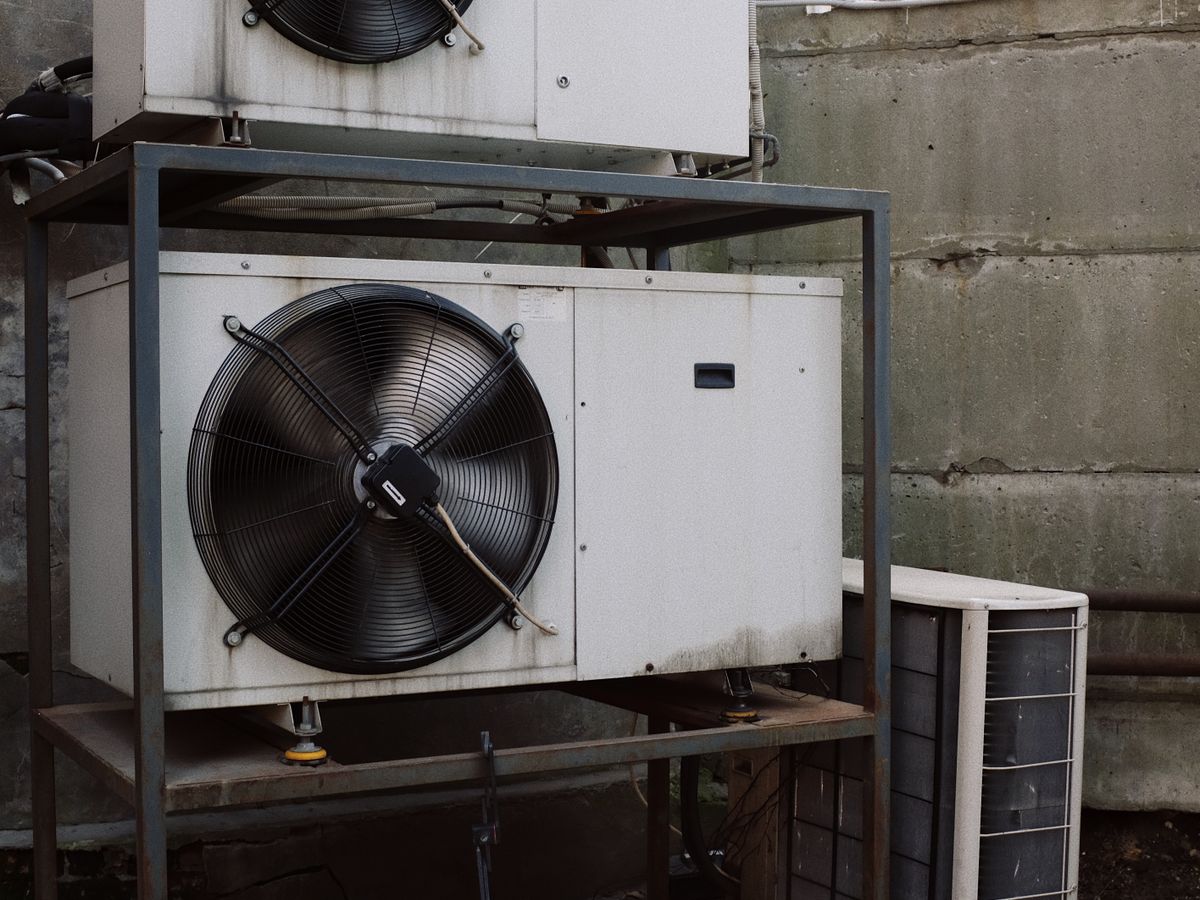
My air conditioner sounded fine on a Monday. By Thursday it was pushing warm air over a living room that already felt like a sauna. That gap — between “a little off” and “completely dead” — is where most cooling problems hide. And in a climate where the unit runs ten to twelve months a year, that gap closes fast.
Systems rarely quit without warning. They drop hints first. The trick is catching them before the hottest stretch of July, when every technician in the county is booked a week out.
Listen before you look
Start with sound. A healthy unit settles into a steady hum. When you start hearing grinding, a rhythmic clicking, or a screech on startup, something mechanical is wearing out — usually a motor bearing or a loose fan blade. A buzz at the outdoor condenser often points to an electrical fault. None of these fix themselves. They get louder, then they get expensive.
Short cycling is another one people miss. If the system kicks on, runs for ninety seconds, shuts off, then restarts a few minutes later, it isn’t cooling efficiently. It’s straining. That pattern burns through the compressor, the single priciest part in the whole setup.
Weak air and strange smells
Hold your hand to a vent. If the airflow feels thin, or the air is barely cool, you could be looking at a refrigerant leak, a clogged coil, or a failing blower. In a 2,400-square-foot home, that difference shows up fast once outdoor temperatures climb into the 90s.
Then there’s moisture. Humidity here sits above 70 percent for much of the year, so a well-run AC is also your dehumidifier. A musty smell when the system starts usually means water is collecting somewhere it shouldn’t — a blocked drain line, or mold forming on a damp coil. A sweet or sharp chemical odor is a different story and points to refrigerant.
Watch the power bill too. A jump of 20 or 30 percent with no change in how you use the house is a quiet symptom most people write off until it’s chronic. When the warning signs start stacking up — warm air, a tripping breaker, that short-cycling rhythm — it’s the point to stop guessing and bring in a licensed crew to diagnose the air conditioning repair before a $200 fault turns into a compressor replacement.
What the coast does to your equipment
Homes near the water carry an extra burden. Salt in the air corrodes condenser fins and electrical contacts faster than it does a few miles inland. If you’re within a mile or two of the ocean, the outdoor unit ages quicker, and small faults appear sooner than the manufacturer’s timeline suggests.
Storm season piles on. Between June and November, power surges from lightning and grid flicker can fry a control board in an instant. A surge protector at the unit is cheap insurance. So is shutting the system down at the thermostat when a serious storm rolls through, rather than letting it ride out the spikes.
None of this means you replace a unit at the first odd noise. A ten-year-old system that’s been serviced regularly often has plenty of life left. The point is simpler: the house tells you when something’s wrong, usually weeks before it fails. Pay attention in spring, and you avoid sweating through a July night waiting for a callback.