










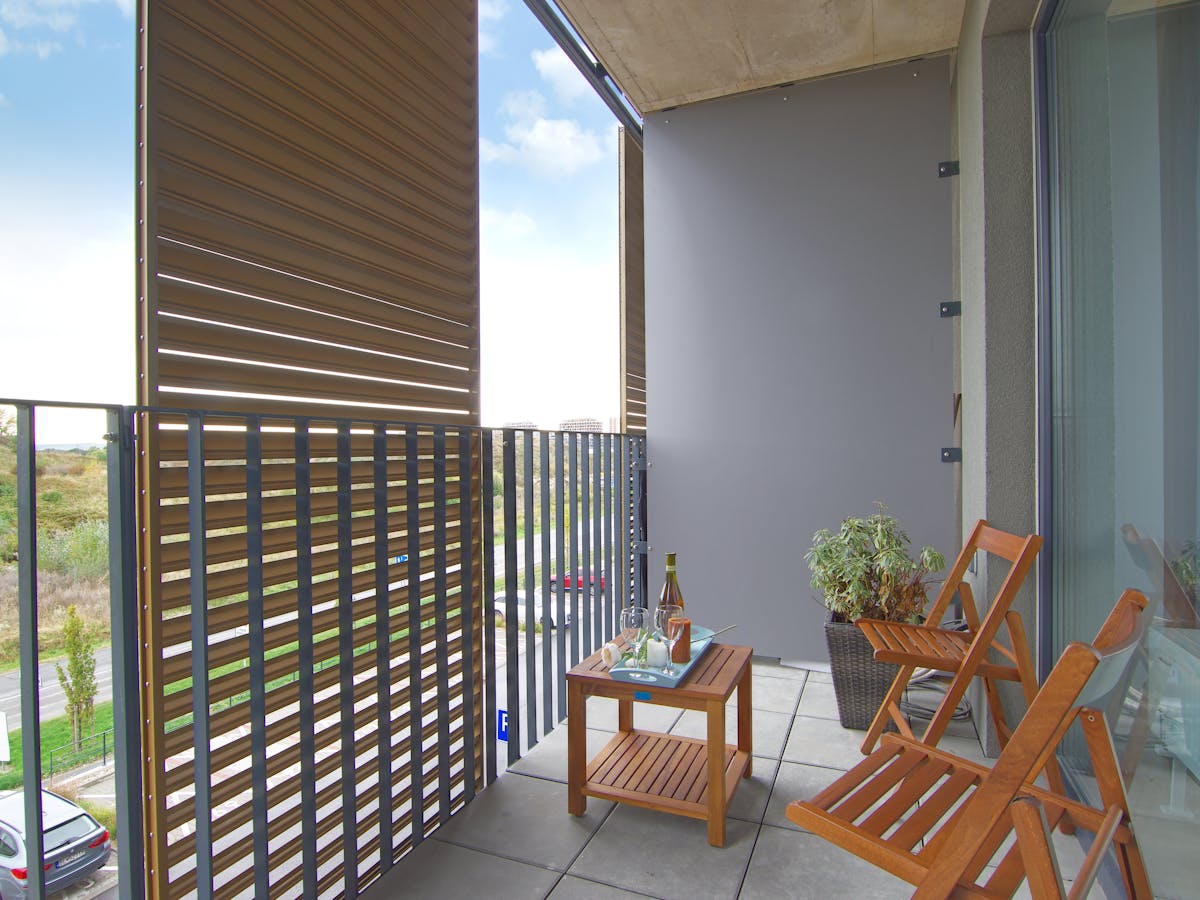
Creating a comfortable and functional outdoor environment often requires more than just good landscaping or furniture. For many homeowners, the addition of outdoor privacy screens plays a key role in improving how a space looks and feels. Whether it’s a backyard, balcony, or patio, the right privacy screen can help define areas while enhancing overall usability.
Choosing the right option, however, involves more than just selecting a design. It requires a thoughtful approach that considers purpose, placement, and long-term performance.
Start with Your Primary Goal
Before selecting a privacy screen, it’s important to understand why you need it. Different properties have different requirements, and identifying the main purpose will help narrow down suitable options.
For example, you may want to:
- Reduce visibility from neighbouring properties
- Create a more enclosed entertainment space
- Define specific zones within a larger outdoor area
- Improve comfort in frequently used outdoor spots
Having clarity on the intended use ensures that the privacy screen meets both functional and design expectations.
Assess Your Outdoor Space
Every outdoor area has its own layout, size, and exposure. A privacy screen that works well in a spacious backyard may not be suitable for a compact balcony.
Consider factors such as:
- Available space for installation
- Height and width requirements
- Direction of sunlight and airflow
- Key viewing angles from surrounding areas
For smaller spaces, lighter and more open designs can help maintain a sense of openness. In larger areas, more prominent screening solutions can be used to create stronger visual definition.
Choosing the Right Design Style
The design of the privacy screen should complement the overall look of your property. A mismatch in style can make the outdoor space feel disconnected.
Modern outdoor privacy screens come in a variety of patterns, textures, and finishes. Some designs are subtle and minimal, while others are more decorative and eye-catching.
When selecting a style, think about how it will interact with:
- Exterior walls and finishes
- Outdoor furniture
- Landscaping elements such as plants or decking
A well-matched design helps create a cohesive and visually appealing environment.
Consider Material and Durability
Since privacy screens are exposed to outdoor conditions, choosing the right material is essential. The screen should be able to handle environmental factors such as sunlight, moisture, and temperature changes.
Many modern privacy screens are designed to be durable and low-maintenance. Materials that resist fading, corrosion, or surface wear are often preferred for long-term use.
It’s also helpful to consider how the material will age over time. Selecting a reliable option can reduce the need for frequent repairs or replacements.
Think About Light and Airflow
A common mistake when choosing privacy screens is focusing only on coverage. While blocking visibility is important, maintaining airflow and natural light is equally essential.
Screens that are too solid can make an outdoor space feel closed off or restrictive. On the other hand, well-designed screens allow filtered light and ventilation, creating a more comfortable and inviting atmosphere.
Balancing privacy with openness is key to achieving a functional outdoor setup.
Enhancing Comfort with Acoustic Panels
In addition to visual privacy, sound can also affect how enjoyable a space feels. This is especially relevant in properties located near busy streets or shared environments.
In such cases, incorporating acoustic panels in nearby areas can help improve overall comfort. Acoustic panels are designed to absorb sound and reduce echo, making spaces feel quieter and more controlled.
While they serve a different purpose than privacy screens, they can complement outdoor setups – particularly in entertainment zones or semi-covered spaces.
Installation and Placement Matters
Even the best privacy screen may not perform effectively if it is poorly positioned. Strategic placement plays a major role in achieving the desired outcome.
Consider:
- Where visibility needs to be reduced the most
- How the screen aligns with existing structures
- Whether it will impact movement or accessibility
Privacy screens can be installed as standalone features or integrated into existing frameworks. For more complex layouts, professional guidance can help ensure proper alignment and stability.
Final Thoughts
Choosing the right privacy screen for your property involves balancing design, functionality, and long-term performance. By carefully considering factors such as purpose, space, material, and placement, homeowners can select a solution that enhances both comfort and aesthetics.
When combined with thoughtful additions like acoustic panels, outdoor areas can become more refined, usable, and enjoyable throughout the year.