


















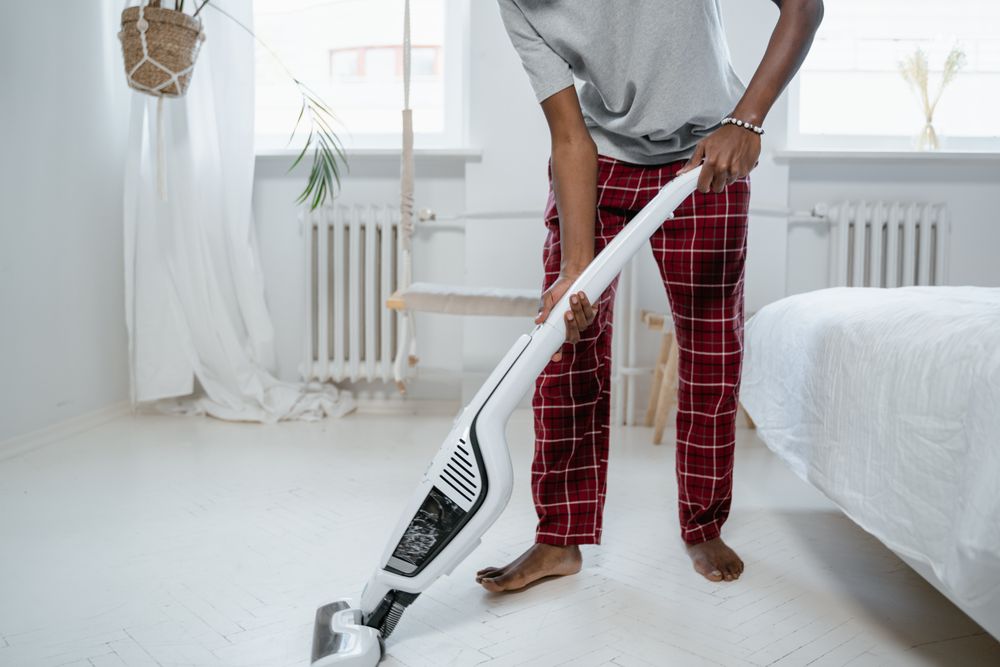
A cleaner bedroom doesn’t happen by accident. Most people focus on visible clutter and forget about the things they can’t see: dust mites living in their mattress, bacteria building up in their sheets, and allergens settling into every surface they sleep on. Building a cleaner bedroom means addressing all of it, not just what looks tidy from the doorway. The good news is that a few consistent habits make a significant difference. This guide walks through every layer of a cleaner sleep space, from the mattress up.
Start With the Mattress
Your mattress is the foundation of your sleep environment. It’s also one of the most overlooked surfaces when it comes to cleanliness. Dust mites, dead skin cells, sweat, and moisture accumulate inside it over months and years.
The Sleep Foundation recommends a regular mattress cleaning protocol that includes vacuuming the surface, treating stains promptly, and airing out the mattress to remove moisture buildup. Most people never vacuum their mattress. That single step removes a significant amount of accumulated debris from the surface and seams.
How to Clean Your Mattress
Strip all bedding first and wash it before putting it back. Vacuum the entire mattress surface using an upholstery attachment, paying close attention to seams and edges where debris collects. For stains, use a mild detergent mixed with cold water and blot rather than scrub. Let the mattress air dry fully before remaking the bed.
A mattress protector adds a physical barrier between you and the mattress surface. It catches sweat, skin cells, and spills before they reach the mattress itself. A protector that uses breathable cotton stays comfortable while still doing its job. Silver-treated options reduce bacteria on the protector surface between washes.
Wash Your Bedding at the Right Temperature
Clean bedding is one of the most impactful things you can do for a healthier sleep space. The problem is that most people wash at temperatures too low to actually eliminate what’s living in their sheets.
According to clinical guidelines from the Asthma and Allergy Foundation of America, washing bedding at 130°F (54°C) or higher is required to kill dust mites effectively. Most standard wash cycles run between 86°F and 104°F. That’s enough to clean visible soil but not enough to eliminate the microscopic organisms that trigger allergies and disrupt sleep.
What This Means for Your Wash Routine
Wash sheets, pillowcases, and duvet covers weekly at the highest temperature the fabric allows. Check your care label first. Most cotton bedding handles a hot wash without damage. Avoid fabric softeners. They coat fibers with a waxy residue that traps particles instead of releasing them during washing.
For people with allergies or sensitive skin, the washing schedule matters as much as the temperature. A weekly wash at the right temperature is more effective than a monthly hot wash for long-term allergen control.
Choose Bedding That Stays Cleaner Between Washes
The fabric you sleep on determines how quickly bacteria, odors, and allergens build up between wash days. Standard untreated cotton absorbs sweat and skin oils and holds onto them. That creates conditions where bacteria multiply rapidly.
Silver-treated fabric disrupts this cycle. The antimicrobial finish works at the fiber level to reduce odor-causing bacteria by up to 99.7%.* That means your cooling sheets stay fresher up to 3x longer than untreated fabric between washes. For anyone trying to build a cleaner bedroom, that’s a meaningful difference in how often allergens and bacteria get to accumulate.
A peer-reviewed study published in PMC evaluated bedroom environmental modifications for allergy sufferers. The research found that physical barrier encasements and targeted fabric choices significantly reduce allergen exposure during sleep. Fabric that resists bacterial buildup between washes reduces the overall allergen load in the sleep environment over time.
OEKO-TEX® certified bedding adds another layer of assurance. Every fabric component is tested for harmful substances before production, which matters especially for people with sensitive skin or respiratory sensitivities.
Control Humidity and Airflow
Dust mites thrive in humid conditions. The AAFA recommends keeping indoor humidity below 50% to create an environment where dust mites struggle to survive. High humidity also encourages mold growth on soft surfaces like mattresses, pillows, and upholstered furniture.
A dehumidifier in the bedroom helps maintain the right humidity level year-round. In humid climates, this single change makes a noticeable difference in allergen levels over time. An air purifier with a HEPA filter adds another layer by capturing airborne particles before they settle on surfaces.
Daily Habits That Improve Bedroom Air Quality
- Open windows in the morning when outdoor air quality is good
- Run an exhaust fan or air purifier while sleeping
- Avoid bringing outdoor clothing into the bedroom
- Keep pets off the bed to reduce dander accumulation
- Dust hard surfaces with a damp cloth rather than a dry one
Dry dusting moves particles into the air and lets them settle back onto surfaces. A damp cloth captures them instead. It’s a small change that reduces the amount of airborne allergens in the room significantly over a week of consistent use.
Wash and Replace Pillows on Schedule
Pillows accumulate more than most people realize. Sweat, saliva, skin cells, and bacteria build up inside the fill and on the surface within weeks of regular use. A pillowcase does some of the work, but it doesn’t stop moisture from penetrating through to the fill over time.
Most sleep experts recommend washing pillows every three to six months and replacing them every one to two years. A pillow that has lost its loft has also likely accumulated enough bacterial and allergen buildup that washing alone won’t fully reset it.
Silver-treated pillowcases slow this buildup at the surface level. The antimicrobial finish reduces bacteria before it penetrates deeper into the pillow fill, which extends the window between full pillow replacements for most sleepers.
Keep Your Bathroom Routine Clean Too
A cleaner bedroom doesn’t end at the door. What you bring from your bathroom into your sleep space matters. Damp towels left in the bedroom add moisture and bacteria to the air. A towel that hasn’t dried fully between uses carries bacterial growth that spreads to any surface it contacts.
Antimicrobial towels that dry faster and resist odor-causing bacteria reduce this transfer. Hang towels fully spread out after every use and keep them out of the bedroom until they’re completely dry.
Build a Weekly Bedroom Cleaning Routine
Consistency matters more than intensity when it comes to a cleaner bedroom. A short weekly routine keeps allergen and bacteria levels low without requiring a deep clean every time.
A practical weekly routine looks like this:
- Wash sheets, pillowcases, and duvet cover at 130°F or the highest safe temperature
- Vacuum the mattress surface and under the bed
- Wipe down hard surfaces with a damp cloth
- Empty and clean the bedside table
- Check humidity levels and adjust if above 50%
Monthly additions include washing pillows, rotating the mattress, and wiping down the bed frame and headboard. Seasonal tasks include airing out the duvet, deep cleaning the mattress, and replacing any bedding that has passed its useful life.
A cleaner bedroom is built layer by layer. The mattress, the bedding, the fabric, the air quality, and the daily habits all work together. Get each layer right and the bedroom becomes the restorative space it’s supposed to be.
Disclaimer: Antimicrobial finish helps protect the fabric from odor-causing bacteria. Does not protect users against bacteria or other disease organisms.