














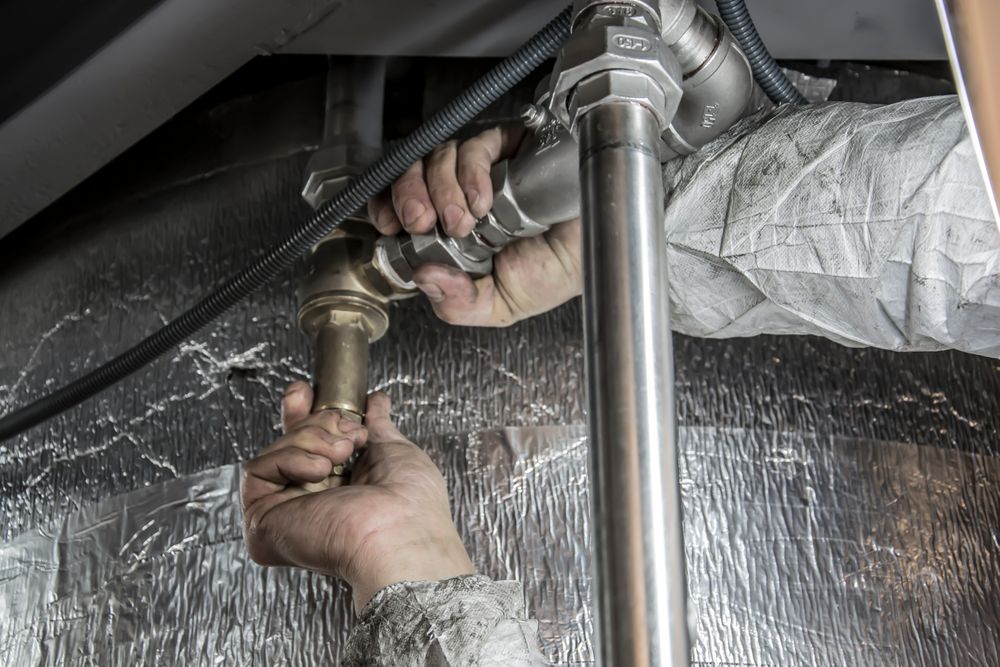
Homeowners in the Phoenix Valley face some of the most extreme heat in the country. From June through August, daytime temperatures often rise above 110°F. This intense heat gradually spreads through walls, concrete slabs, and plumbing systems, causing slow and often hidden damage. In many cases, homeowners do not notice the problem until a pipe begins to leak or fails completely. Penguin Air, Plumbing & Electrical, a Phoenix-based plumbing and HVAC company founded in 2011 and rated A+ by the BBB, has seen firsthand how thermal expansion quietly shortens the life of a home’s plumbing system.
Your Pipes Are Under Pressure Right Now and You Probably Don’t Know It
Water expands by roughly 2% when heated from 50°F to 120°F. Inside a closed plumbing system, that added volume cannot move back into the municipal supply. Instead, it raises pressure throughout the pipes.
The first stage of thermal expansion damage is hard to notice. Homeowners may not see dripping water, wet walls, or cracks. However, extra pressure still pushes against joints, valves, supply lines, and water heater parts daily.
Over time, this stress can weaken seals, loosen fittings, and shorten the life of plumbing components.
Soil temperatures around Phoenix can remain close to 90°F into the evening. Cold-water lines may already carry warm water before reaching the heater. The expansion cycle can begin early and repeat from spring through fall.
What Is Thermal Expansion and Why Does Phoenix Make It Worse?
Thermal expansion happens when water or another material increases in size as its temperature rises. Water expands when heated, while copper, PVC, and other pipe materials also change slightly in length and shape.
One heating cycle usually causes little damage. However, repeated expansion and contraction place steady pressure on fittings, joints, and seals.
Phoenix makes the problem worse because extreme heat continues. Pipes inside exterior walls, garages, attics, and concrete slabs absorb heat. High nighttime temperatures prevent plumbing materials from cooling fully between cycles.
How a Closed Plumbing System Traps Expanding Water
Modern homes often include backflow preventers, pressure-reducing valves, or check valves. These devices control water flow and stop contaminated water from moving back into the public supply.
However, they can also create a closed plumbing system. Once water enters the home, these valves prevent it from flowing backward. When the water heater raises the temperature, expanding water becomes trapped inside pipes.
The added volume increases pressure throughout the system. In many homes, the temperature and pressure relief valve on the water heater begins to drip.
Flexible supply fittings may also weaken. Rubber parts inside faucets, toilets, and fixture valves can harden or crack. High pressure may also cause banging pipes, noisy fixtures, or leaks around connections.
A thermal expansion tank helps control pressure. Its air chamber accepts extra water volume as the water heats. This gives expanding water a safe place to move and reduces the load on fixed pipes and valves.
Without a working expansion tank, the system absorbs the force of every heating cycle. A damaged or waterlogged tank may provide little protection.
Why Phoenix Temperatures Push the Problem Further
Ground temperatures in Scottsdale, Chandler, and other Phoenix Valley areas can exceed 90°F during summer. Underground supply lines absorb this heat, so water may enter the home warmer than it does in cooler months.
Nighttime temperatures can remain in the upper 80s during heat waves. This gives the system little time to cool. Copper and PVC lines along exterior walls or inside uninsulated garages may absorb heat all day.
Older copper lines, especially those installed before 1990, face a higher risk of fitting failure. Years of expansion, contraction, corrosion, and pressure can weaken soldered joints.
A worn pressure-reducing valve can make the problem worse. When it fails, pressure may rise above 80 psi and sometimes exceed 100 psi.
Homeowners can reduce risk by insulating exposed pipes, replacing worn pressure-reducing valves, and installing or recharging an expansion tank. These repairs usually cost less than fixing a burst pipe inside a wall or beneath a slab.
A plumbing inspection can identify high pressure, weak fittings, damaged insulation, and expansion tank problems. Scheduling it before peak summer may also help homeowners avoid repair delays.
Frequently Asked Questions
Does Phoenix heat actually cause measurable pipe damage?
Yes. Phoenix experiences several months of extreme heat each year. Repeated expansion and contraction can weaken copper joints, fittings, seals, and supports. Pressure, corrosion, pipe age, and mineral buildup can increase the damage.
How do you know if your home has a closed plumbing system?
Check the main supply line for a backflow preventer, check valve, or pressure-reducing valve. These devices may stop water from flowing back into the municipal supply. A licensed plumber can confirm the system type and test the expansion tank.
Can thermal expansion cause slab leaks in the Phoenix area?
Thermal expansion can contribute to slab leaks. Pipes beneath concrete move as temperatures change. Repeated movement may cause rubbing against concrete or supports. Warning signs include warm floors, damp spots, low pressure, running water sounds, or a higher water bill.
How often should Phoenix homeowners schedule plumbing maintenance?
Phoenix homeowners should schedule plumbing maintenance at least once a year. March or April is often best because a plumber can inspect the system before the hottest weather. Older homes with copper lines, aging valves, or older water heaters may need more frequent checks.