


















When did someone last properly check the wiring in your home?
Most homeowners can’t answer that question. They know when the boiler was serviced. They know when the MOT is due. But the electrics hidden behind the walls? They tend to get forgotten until something goes wrong.
That’s a risk worth taking seriously. Electrical Safety First reports that electricity causes more than half of all accidental house fires in Great Britain. Many of those fires start with faults that a basic inspection would have picked up.
This guide explains the checks that matter, what they involve and when you need them. No jargon. No scare stories. Just what you need to know to keep your home safe.
What Is an EICR?
EICR stands for Electrical Installation Condition Report. It’s the main safety check for your home’s fixed wiring.
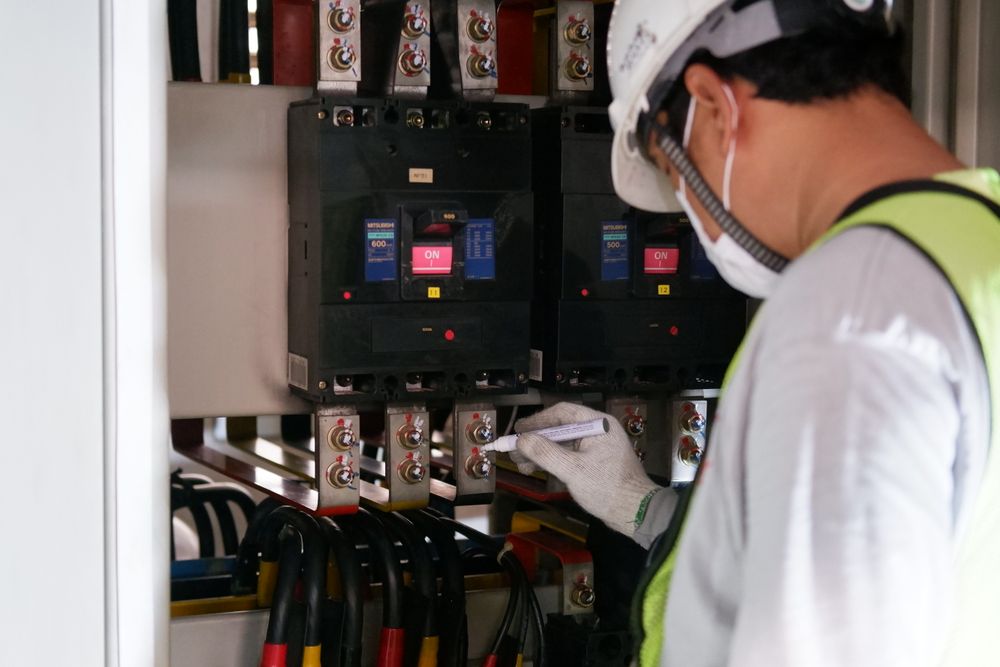
A qualified electrician like Eastern Electrical inspects and tests the whole installation. That includes:
- The consumer unit (the modern name for your fuse box)
- Sockets, switches and light fittings
- Earthing and bonding to gas and water pipes
- Circuit protection devices such as RCDs and circuit breakers
- Visible cabling in lofts, cupboards and under stairs
The electrician then writes up a report. It tells you whether the installation is “satisfactory” or “unsatisfactory” and lists anything that needs attention.
An EICR doesn’t cover your kettle, TV or washing machine. Those are portable appliances, and they’re a separate matter. It’s purely about the wiring and fixed equipment that came with the house.
How Often Should You Have One?
The answer depends on whether you own and live in the property or rent it out.
Owner-occupiers: The recommended interval is every 10 years. It isn’t a legal requirement, but it’s sensible guidance from the industry.
Landlords: In England, the Electrical Safety Standards in the Private Rented Sector Regulations 2020 make an EICR mandatory at least every five years. Scotland and Wales have similar five-year rules. Landlords must give tenants a copy of the report and fix any serious faults within 28 days, or sooner if the report says so.
There are also moments when a check makes sense regardless of the date:
- When you buy a home. A standard survey rarely tests the electrics in any depth.
- Before major renovations. Adding an extension or a new kitchen puts extra load on circuits.
- After a flood or water leak. Water and wiring are a dangerous mix.
- If the house has been empty for a long time. Damp and rodents can damage cables unseen.
- When you’re selling. A clean report can reassure buyers and smooth the sale.
Think about it this way. Would you buy a used car without checking its service history? Your home’s wiring deserves the same scrutiny.
Understanding the Codes on Your Report
EICRs use a simple coding system. Once you know what each code means, the report is much easier to read.
- C1: Danger present. There’s an immediate risk of injury. The electrician should make it safe straight away, often by isolating the circuit.
- C2: Potentially dangerous. Not an instant threat, but it could become one. It needs fixing urgently.
- C3: Improvement recommended. The installation doesn’t meet the current standard, but it isn’t unsafe. Fixing it is optional.
- FI: Further investigation required. Something needs a closer look before the electrician can say whether it’s safe.
Any C1, C2 or FI code means the report comes back unsatisfactory. Only C3 codes on their own still allow a satisfactory result.
Here’s a common example. Many older homes have no RCD protection on socket circuits. On a modern report, that’s often coded C2 for sockets that could supply equipment used outdoors. It sounds minor. It isn’t. An RCD is the device that cuts power in a fraction of a second if someone touches a live part.
The Role of RCDs
RCD stands for Residual Current Device. It’s arguably the single most important safety feature in a modern consumer unit.
An RCD constantly monitors the current flowing through a circuit. If it detects electricity leaking somewhere it shouldn’t, such as through a person, it switches off within around 40 milliseconds. That’s quick enough to prevent a fatal shock in most situations.
Homes wired before the 2000s often have little or no RCD protection. If your fuse box has old rewireable fuses, the sort with a wire you replace by hand, you almost certainly don’t have it.
Do you know how to test yours? Most RCDs have a small button marked “T” or “Test”. Pressing it should trip the switch. Manufacturers typically recommend testing every three to six months. If it doesn’t trip, call an electrician.
Warning Signs You Shouldn’t Ignore
You don’t need to wait for a formal inspection to spot trouble. Some faults announce themselves.
Watch out for:
- Scorch marks or brown discolouration around sockets and switches
- A burning smell with no obvious source
- Sockets or plugs that feel warm to the touch
- Buzzing or crackling from switches, sockets or the consumer unit
- Lights that flicker or dim when appliances switch on
- Circuit breakers that trip repeatedly on the same circuit
- Mild tingles or shocks when touching an appliance or switch
Any one of these is reason enough to get an electrician round. A breaker that keeps tripping isn’t being awkward. It’s telling you something is wrong.
Is Your Wiring Showing Its Age?
Wiring doesn’t last forever. Cable insulation from the 1960s onwards is generally PVC and can last decades. Older materials can’t.
Signs your wiring may be very old:
- Round-pin sockets. These date from before the late 1950s and 1960s.
- Rubber or fabric-covered cables. Rubber insulation tends to crumble with age, leaving bare conductors.
- Light switches mounted on skirting boards. A common feature of older installations.
- A wooden-backed fuse board or a mix of old fuse boxes.
- No earth wire on lighting circuits. Common in homes wired before 1966.
Cable colours give you another clue. Since 2004, UK wiring has used brown for live and blue for neutral. Before that, it was red and black. Old colours don’t automatically mean danger. Plenty of red and black installations are perfectly sound. But they do tell you the wiring is at least 20 years old, which makes a check worthwhile.
Who Should Carry Out the Work?
Not every electrician is the same, and this matters.
In England and Wales, a lot of electrical work in homes falls under Part P of the Building Regulations. New circuits, consumer unit replacements and work in bathrooms are all notifiable. That means it must either be done by an electrician registered with a Competent Person Scheme or signed off by Building Control.
Look for registration with a recognised scheme such as:
- NICEIC
- NAPIT
- ELECSA
- Stroma
You can check whether a contractor is genuinely registered through the Electrical Competent Person Register online. It takes two minutes. Isn’t that worth doing before letting someone work on your home?
Once notifiable work is complete, you should receive an Electrical Installation Certificate or a Minor Works Certificate, plus a Building Regulations compliance certificate. Keep them safe. Buyers’ solicitors will often ask for them when you come to sell.
What About Your Appliances?
The fixed wiring is only half the picture. The things you plug in can cause problems too.
Electrical Safety First has highlighted white goods such as tumble dryers, washing machines and fridges as frequent culprits in house fires. A few simple habits make a real difference:
- Register your appliances with the manufacturer. You’ll be told directly if there’s a recall.
- Check recall lists online for anything you already own.
- Don’t overload extension leads. A typical four-way lead is rated at 13 amps. A kettle, toaster and microwave together can easily exceed that.
- Avoid daisy-chaining extension leads into each other.
- Unplug chargers when you’re not using them, and never leave cheap or counterfeit chargers running overnight.
- Clean tumble dryer filters after every use. Lint build-up is a known fire risk.
Landlords don’t legally have to carry out PAT testing on appliances they supply, but it’s widely recommended. Many do it at every change of tenancy.
Smoke Alarms: Your Last Line of Defence
Even the best-maintained home can still have a fire. That’s why working smoke alarms matter so much.
In England, landlords must fit at least one smoke alarm on every storey used as living accommodation. In Scotland, the rules go further and apply to all homes, owned or rented. They require interlinked alarms, so when one sounds, they all do.
For any homeowner, good practice looks like this:
- Fit a smoke alarm on every floor
- Add a heat alarm in the kitchen, where smoke alarms give false triggers
- Test alarms monthly using the test button
- Replace alarms every 10 years, as sensors degrade over time
Ask yourself honestly. When did you last press that test button?
What Does an Inspection Cost?
Prices vary by region and property size. As a rough guide, an EICR on a typical two or three-bedroom house often costs somewhere between £150 and £300. Larger homes with more circuits cost more.
Compare that with the cost of a house fire, or the cost of rewiring after damage that went unnoticed for years. An inspection every decade works out at a few pounds a month. It’s one of the cheapest forms of peace of mind you can buy.
Simple Steps to Take This Week
You don’t have to do everything at once. Start with the basics:
- Find your last EICR, if you have one. Check the date.
- Press the test button on your RCDs and smoke alarms.
- Walk around your home looking for scorch marks, warm sockets or overloaded extension leads.
- Check your appliances against product recall lists.
- Book an inspection if it’s been more than 10 years, or if you’ve never had one.
Electrical faults are usually silent until they aren’t. A qualified electrician can find them before they turn into something serious. The real question isn’t whether you can afford an inspection. It’s whether you can afford to skip one.