
















Decorating a home often starts with small, impactful choices. Pyntekvister are one of those choices. The term comes from Scandinavian languages and means decorative twigs or ornamental branches. These natural elements add texture, shape, and personality to a room without requiring a large budget. Homeowners who want a minimal but warm aesthetic often use pyntekvister to transform living rooms, dining spaces, and entryways.
This article explains what pyntekvister are, how to style them, and why they work so well in modern interiors. It also provides care tips, placement ideas, and cost guidance for anyone planning to use these natural accents at home.
| Feature | Details |
|---|---|
| Product Name | Pyntekvister |
| Material | Natural or artificial decorative branches |
| Best For | Living rooms, entryways, dining spaces, bedrooms |
| Popular Styles | Minimalist, Scandinavian, rustic, bohemian |
| Care | Dust or wipe occasionally; store away from moisture |
| Price Range | $10 to $60 depending on size and quality |
What Are Pyntekvister
Pyntekvister are decorative twigs or branches used for interior styling. They can be real dried twigs, treated branches, or artificial replicas made from plastic or resin. Their main role is to bring natural texture and an organic feel into rooms that often feature clean lines and smooth surfaces.
Scandinavian design embraces simple natural details, and pyntekvister reflect this philosophy. They work well in both modern and rustic homes, making them a flexible choice for many interior styles.
Why Pyntekvister Work in Modern Homes
Modern interiors favor clean shapes and open spaces. However, these spaces can feel flat if everything is smooth and uniform. Pyntekvister solve this by adding subtle complexity:
- Texture: Branches bring a tactile element that softens sharp lines.
- Vertical Emphasis: Tall twigs guide the eye upward, adding visual height.
- Natural Connection: Real branches connect indoor spaces with the outdoors.
- Minimal Color Impact: Most are neutral in tone, blending easily with existing palettes.
Because they are simple, they never overpower a room. Instead, they fill empty corners and surfaces with quiet character.
Types of Pyntekvister
Different styles of pyntekvister allow you to match them with your home’s look:
- Natural Dried Twigs
- Collected and treated to last indoors.
- Show natural curves and color variations.
- Best for rustic or organic modern styles.
- Painted or Treated Branches
- Painted in white, black, or metallic finishes.
- Fit minimalist or industrial settings.
- Artificial Decorative Twigs
- Made from resin, plastic, or synthetic wood.
- Low-maintenance and consistent in shape.
- Great for busy homes that want durability.
- Lighted Pyntekvister
- Built with small LED lights wrapped around branches.
- Add a soft glow to bedrooms or entryways.
Pyntekvister vs Artificial Plants

Homeowners often compare pyntekvister with artificial plants when looking for simple decorative options. While both add greenery or natural texture without the care that live plants require, there are clear differences.
- Appearance
- Pyntekvister give a minimal and airy look. Their thin, clean lines fit modern and Scandinavian interiors better than bulky artificial plants.
- Artificial plants mimic lush foliage, which can feel heavier and less subtle.
- Maintenance
- Pyntekvister need only occasional dusting and can last for years if kept dry.
- Artificial plants need regular cleaning to remove dust from leaves and often fade if placed in direct sunlight.
- Flexibility
- Pyntekvister are easy to swap or seasonally update. You can add ornaments, small flowers, or lights.
- Artificial plants stay the same and require replacement if you want a fresh look.
- Space Impact
- Pyntekvister take little space and keep rooms open.
- Artificial plants may crowd smaller rooms, especially if tall or wide.
- Cost
- Both are affordable, but pyntekvister bundles are usually cheaper upfront. High-quality artificial plants can cost more.
Summary:
Choose pyntekvister if you prefer a clean, modern style with easy updates. Choose artificial plants if you want fuller greenery and a more traditional indoor garden effect.
Where to Use Pyntekvister
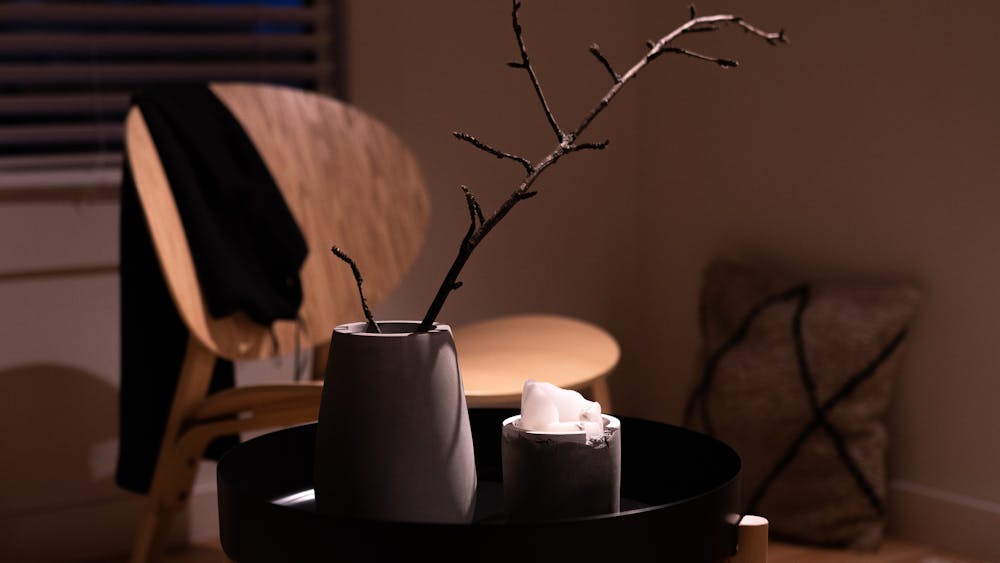
You can place pyntekvister in many areas of your home to fill empty spots or highlight design elements.
- Living Room: Place tall twigs in a floor vase near seating areas.
- Dining Room: Use a branch arrangement as a table centerpiece.
- Entryway: Add a welcoming natural accent in a hallway or foyer.
- Bedroom: Place simple branches in a vase on a dresser or corner table.
- Bathroom: Use smaller arrangements to add warmth to a clean space.
Styling Tips
To create a balanced and appealing look:
- Choose a neutral vase if the branches are dramatic.
- For modern rooms, keep the arrangement simple with straight, clean twigs.
- For rustic or bohemian rooms, mix different branch shapes and thicknesses.
- Avoid overfilling; leave some open space for a light, airy look.
- Pair with candles, small stones, or minimal artwork to complete the display.
Seasonal Use
Pyntekvister adapt easily to the seasons:
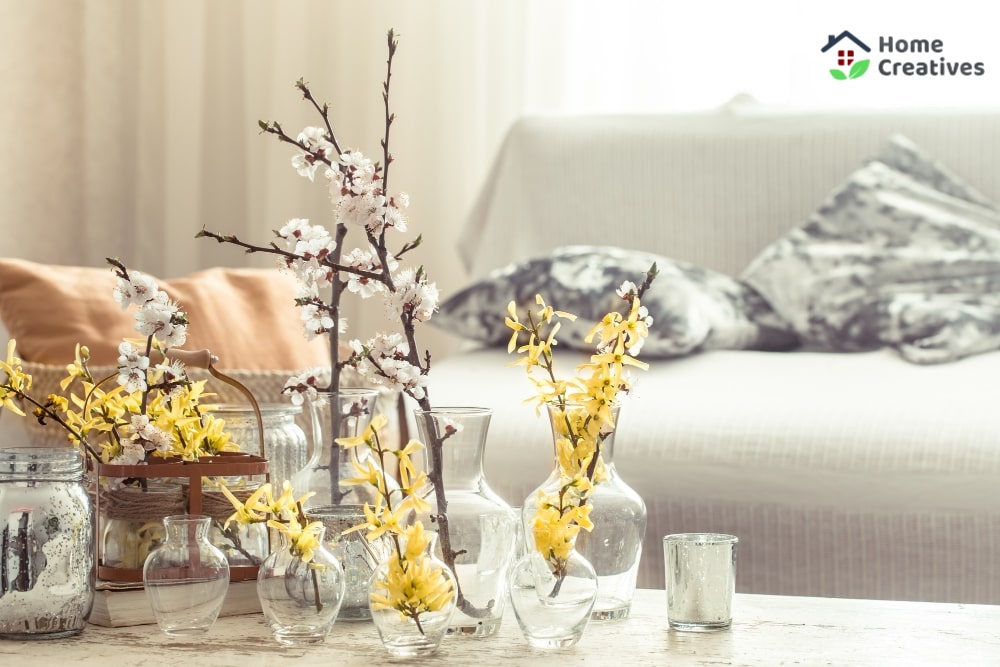
- Spring: Add small faux blossoms or pastel decorations.
- Summer: Keep them natural with minimal accessories.
- Autumn: Combine with warm-toned leaves or dried grasses.
- Winter: Wrap small LED lights or hang simple ornaments.
This flexibility lets you update your decor without replacing furniture.
Care and Maintenance
Maintaining pyntekvister is simple:
- Dust Weekly: Use a soft cloth or feather duster.
- Avoid Moisture: Keep them away from damp areas to prevent damage.
- Refresh Artificial Branches: Wipe with a slightly damp cloth when needed.
- Replace Natural Twigs: If natural twigs lose shape or color over time, refresh the arrangement.
Cost and Buying Tips
Pyntekvister are affordable compared to other home decor items. Prices vary:
- Basic Natural Twigs: $10–$20 for a small bundle.
- Painted or Treated Branches: $20–$40 depending on finish.
- Lighted Decorative Twigs: $30–$60 depending on size and lighting quality.
When buying:
- Check if natural twigs are treated for indoor use to avoid pests.
- Choose artificial ones with realistic texture if you want a long-term option.
- Measure your vase height to avoid branches that look too short or tall.
Benefits Compared to Other Decor

- Lightweight: Easy to move or rearrange.
- Affordable: Cheaper than sculptures or large plants.
- Low Maintenance: Minimal cleaning compared to live plants.
- Timeless: Works with changing trends in interior design.
Common Mistakes to Avoid
- Overcrowding the vase with too many branches.
- Choosing branches too short for tall ceilings.
- Mixing too many colors that clash with the room’s palette.
- Using untreated natural twigs that can shed or attract insects.
Matching Pyntekvister With Interior Styles
- Minimalist Homes: Choose thin, straight branches in black or natural wood.
- Scandinavian Spaces: Use pale wood twigs in simple vases.
- Rustic Interiors: Mix thick natural branches with textured pots.
- Modern Luxury: Choose metallic-finished branches in sleek containers.
- Bohemian Rooms: Combine varied shapes with dried grasses or pampas.
DIY Pyntekvister Projects
You can create your own pyntekvister arrangement if you prefer personal touches:
- Collect Branches: Choose clean, dry branches with interesting shapes.
- Clean and Sand: Remove dirt and smooth rough areas.
- Paint or Seal: Use neutral colors or clear sealant to preserve them.
- Arrange Thoughtfully: Use different heights for balance.
This approach saves money and lets you customize the look.
Why They Are a Smart Home Upgrade
Pyntekvister can change how a room feels with minimal effort. They fill space without adding clutter, work with modern and traditional furniture, and cost far less than art pieces or large indoor plants. They also allow seasonal updates, helping you refresh rooms regularly.
Final Thoughts
Pyntekvister are a simple way to add style and texture to modern homes. They fit living rooms, entryways, and dining areas without overwhelming the space. With easy care and affordable options, they are ideal for homeowners who want to enhance their interiors without a complicated or expensive redesign.