


















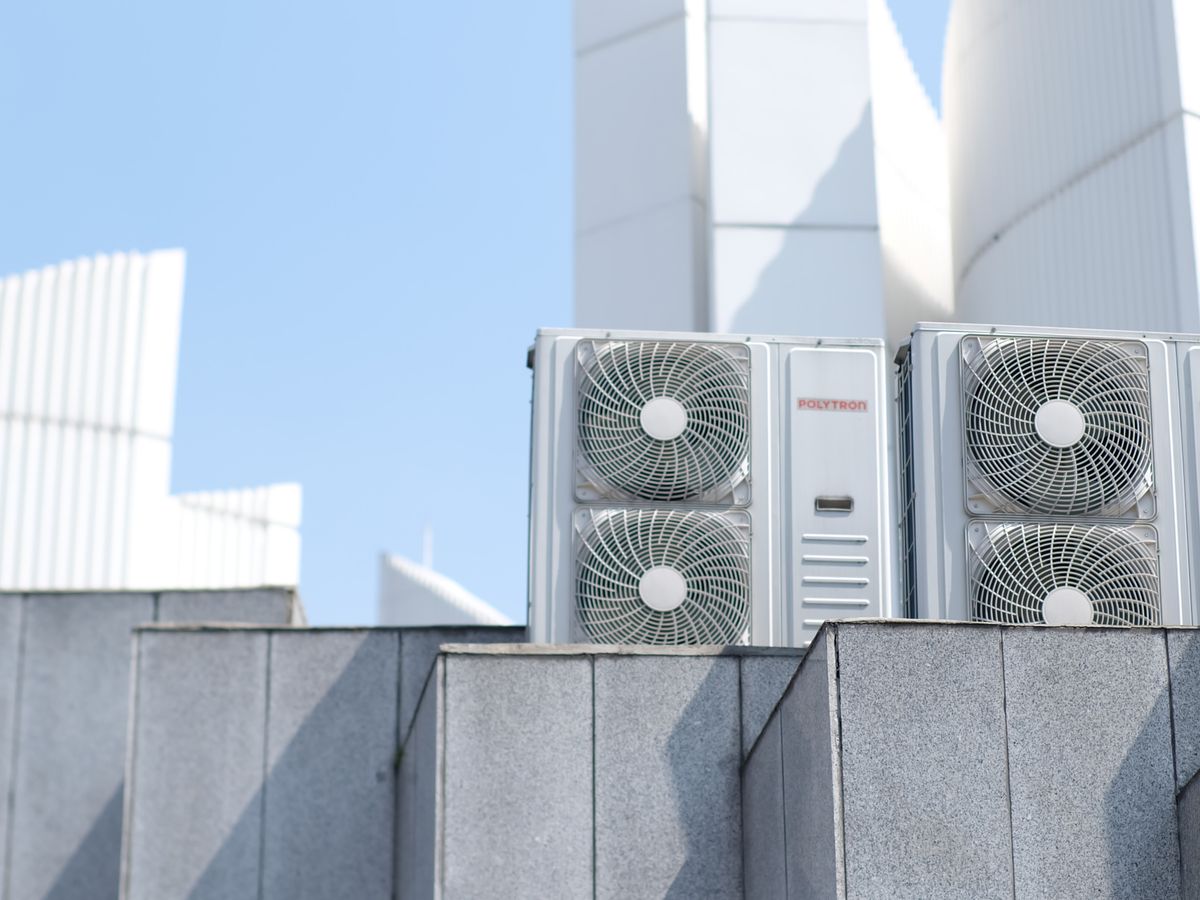
If you have ever bought an air conditioner or called a technician for AC service, you may have heard the term SEER rating. It may sound technical at first, but it is easy to understand. SEER helps you know how efficiently your air conditioner uses energy. When you understand this rating, you can make better decisions about cooling costs, system care, and future replacement.
What Does SEER Actually Mean?
SEER stands for Seasonal Energy Efficiency Ratio. It shows how efficiently an air conditioner uses energy during a normal cooling season. In simple words, it compares the amount of cool air the system produces with the amount of electricity it uses. A higher SEER number means the system can cool your home while using less energy.
How the Rating Is Calculated
SEER is calculated by comparing the total cooling output of an air conditioner with the total electricity it uses during a season. You do not need to understand the full formula to see why it matters. The main point is simple: a higher SEER rating means your system gives more cooling for the electricity it consumes. This may reduce the amount of electricity your system needs during regular use.
What’s Considered a Good SEER Rating?
Older air conditioners often have lower SEER ratings, sometimes around 8 to 10. Newer systems usually perform much better. Many modern AC units have SEER ratings of 16, 18, or even higher. Current efficiency standards have also improved, so even basic new systems are usually more efficient than older units.
Why SEER Matters for Your Energy Bill
SEER matters because it affects how much electricity your air conditioner uses. A system with a lower SEER rating needs more power to provide the same amount of cooling as a higher-rated system. A system rated at 13 SEER often needs more power to deliver the same cooling level that an 18 SEER system can provide. Over several summers, this difference can have a clear impact on your energy bills.
SEER Isn’t the Whole Story
SEER is important, but it is not the only thing that affects energy savings. Your AC system also needs proper installation, the right size for your home, regular maintenance, and good ductwork. Even a high-SEER system can waste energy if it is not installed correctly or if it does not fit the home properly. A well-maintained system usually performs better and helps keep cooling costs under control.
Should You Upgrade Based on SEER Alone?
When an AC system is old and has a low SEER rating, replacement may look like the best way to save energy. However, you should not make the decision based on the rating alone. The age of the system, its repair history, and its current condition also matter. In some cases, an older unit with a lower SEER rating can still be a better short-term choice if it works well and has been maintained properly.
Getting a Professional Opinion
Because so many factors affect real-world efficiency, it’s worth having a technician evaluate your specific system rather than relying on the SEER number alone. A professional can tell you whether your unit is performing close to its rated efficiency or whether maintenance, repairs, or a replacement would make more financial sense. If you’re unsure where your system stands, reaching out to Schebler AC repair services is a good place to start.
Understanding SEER ratings won’t change your bill overnight, but it does give you a clearer picture of what you’re working with and what your options are moving forward.