


















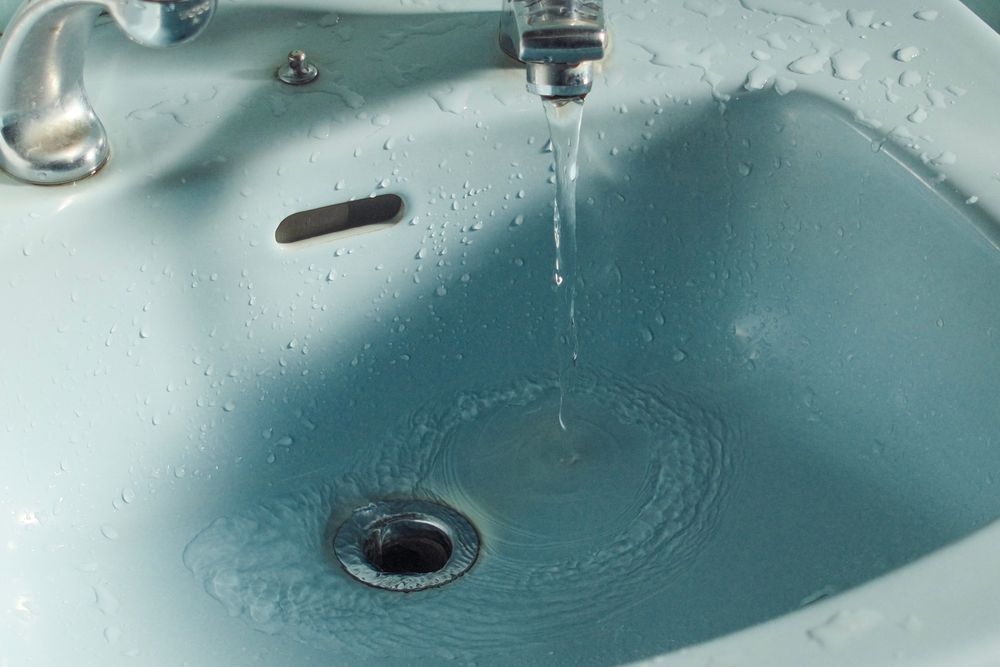
Black sludge in a bathroom sink is usually caused by a mixture of biofilm, soap residue, hair, oils, and other debris collecting around the stopper, tailpiece, overflow passage, or P-trap. The phrase black sludge in sink drain pipe refers to this type of buildup when it develops inside the fixture’s drainage pathway. Identifying where it forms, how quickly it returns, and whether it affects other fixtures can help determine whether routine drain cleaning is enough or if the sink has a larger plumbing problem.
What Is Black Sludge in a Sink Drain?
Black sludge is a general description for the dark, sticky material that often collects inside bathroom sink drains, especially around the stopper and other areas that stay damp. It is not one specific substance because several types of residue can combine inside the drainage system over time. In most cases, biofilm creates the sticky base that holds together soap, toothpaste, oils, hair, dead skin cells, dust, lint, cosmetic products, and small mineral particles.
Biofilm develops when microorganisms attach themselves to a wet surface and form a thin protective layer. This layer can become increasingly sticky as it grows, allowing everyday materials washed into the sink to remain attached instead of flowing completely through the pipe. A small amount of residue may not affect drainage at first, but repeated use of the sink can gradually increase the amount of material inside the drain.
The dark color can come from several sources, including old organic material, product pigments, soap residue, corrosion particles, dirt, and mineral deposits. The appearance alone cannot confirm exactly what the substance contains. Some buildup may look dark gray or brown rather than completely black, while older deposits may become thicker and darker as more material collects.
The location of the buildup often affects its composition. Material around the stopper may contain more toothpaste, hair, shaving cream, and facial products because these substances come into direct contact with that area. Deposits inside the overflow passage can become soft and strongly scented because the channel receives moisture but very little direct cleaning. Material inside the P-trap may contain heavier sediment, hair, soap residue, and particles that settle as water moves through the curved section of pipe.
In some cases, dark material may not originate inside the drain at all. Old washers, flexible hoses, damaged rubber parts, corrosion, or mineral deposits in the water supply can release black particles through the faucet. A simple test can help separate these two situations. Run the faucet into a clean white bowl without allowing the water to touch the sink. If dark particles appear in the bowl, the issue may come from the supply side. If the water remains clean but dark residue appears around the drain, the drainage system is the more likely source.
When similar buildup develops farther inside the fixture or branch line, homeowners may describe it as black sludge in drain pipes. The same general materials can collect in these less visible areas, especially where water movement is weak or the internal pipe surface has become rough with age.
What Causes Black Sludge in a Bathroom Sink Drain?
Bathroom sinks provide several conditions that allow sludge to develop, including regular moisture, organic material, soap residue, and surfaces that are difficult to clean. Every time someone brushes their teeth, washes their face, shaves, or uses skin-care products, small amounts of material enter the drain. Most of the residue moves through the plumbing, but some remains attached to the sides of the drain or collects around the stopper mechanism.
The process often begins with a very thin layer that is difficult to see. Soap, oils, toothpaste ingredients, and fine particles coat the inside of the drain, creating a surface where microorganisms can attach. Once biofilm begins to form, its sticky texture traps additional debris such as hair, lint, skin cells, and grooming products. As this process continues, the deposit becomes thicker and more capable of catching larger materials.
Several parts of the sink are more likely to collect residue than others. The underside of the pop-up stopper is one of the most common areas because water and debris pass around it every time the sink is used. Hair can also wrap around the pivot rod that controls the stopper. Once a few strands remain in place, soap and biofilm can coat them, creating a sticky mass that catches even more material.
The vertical tailpiece under the sink can also develop a coating along its inner walls. Water usually travels through the easiest available path rather than scrubbing the entire pipe surface, so residue can remain along the edges even when the sink appears to drain normally. The overflow passage is another common problem area because it stays damp but receives little direct water flow or routine cleaning.
The P-trap remains wet because it is designed to hold water and block sewer gases from entering the bathroom. This water seal is an important part of the plumbing system, but the damp conditions can also allow residue to remain inside the trap. Heavier material may settle in the curved section, especially when the sink drains slowly or receives a large amount of hair and thick products.
Hard water can make the buildup more difficult to remove because calcium and magnesium can react with soap and create deposits along plumbing surfaces. These deposits can roughen the inside of the pipe and provide more places for organic material to collect. Thick personal-care products such as facial creams, shaving products, gels, oils, and heavy toothpaste can also increase the amount of residue available inside the drain.
A dripping faucet can contribute to the problem by keeping the drain continuously wet, while a partially closed or poorly adjusted stopper can reduce the speed of water leaving the basin. Slower water movement gives residue more time to settle. Older pipes with rough, corroded interiors can also hold more material than smooth newer pipes because small particles have more places to attach.
The buildup often creates a gradual cycle. A thin coating catches debris, the debris narrows the opening, slower drainage leaves more material behind, and the growing deposit captures even more residue. This is why a sink may continue working for months before the drainage becomes noticeably slower.
Is Black Gunk in a Sink Drain Mold or Biofilm?
Most dark, slippery material found inside a bathroom drain is more accurately described as biofilm mixed with household residue rather than one specific type of mold. Biofilm refers to a group of microorganisms living together on a damp surface inside a protective layer. That layer can contain bacteria, fungi, and nonliving material at the same time, which makes visual identification difficult.
Homeowners sometimes assume that dark material must be black mold, but color alone does not provide enough information to make that conclusion. Soap residue, old organic material, cosmetics, minerals, corrosion particles, and deteriorating rubber can all create a similar dark appearance. Even when fungi are present, the material may still contain many other substances.
The location and texture usually provide more useful clues than the color. If black gunk in sink drain areas feels slippery, sticky, stringy, or gelatinous and remains concentrated on the stopper, drain wall, tailpiece, or trap, biofilm and trapped household residue are likely involved. Material that looks fuzzy, powdery, or spotted on nearby walls, caulk, wood, or the vanity may indicate a separate moisture issue outside the drain.
Visible growth around the sink should prompt a closer inspection of the surrounding area. Check under the basin for slow leaks, water stains, damp wood, swollen cabinet material, or loose plumbing connections. Even a small leak can keep nearby surfaces wet enough to allow mold growth over time.
Dark rubber-like flakes can point to a different problem. Washers, seals, or flexible hoses may deteriorate and release small pieces into the water. Hard or gritty particles may also come from mineral buildup, corrosion, or filtration equipment. If the particles appear directly from the faucet rather than inside the drain, the water-supply components should be checked before assuming the drainage system is responsible.
In many cases, identifying the exact microorganism inside a small drain deposit does not change the first step. Removing the buildup physically and correcting the conditions that allow it to return are usually more important. Widespread growth outside the drain, however, may require attention to a leak or another source of ongoing moisture.
Can Black Slime in a Sink Drain Cause Clogs?
Black sludge can contribute to a clog by reducing the usable diameter of the drain and creating a sticky surface that catches hair and other debris. Even a relatively thin layer along the pipe wall can make it easier for strands of hair, dental floss, lint, toothpaste residue, and grooming products to remain inside the drain rather than moving through the plumbing.
Bathroom sink clogs often develop around the stopper mechanism because the moving parts interrupt the normal flow of water and provide several places where hair can become trapped. A loose strand may pass through a clean drain without causing trouble, but once it sticks to a coated surface, additional residue can attach to it. Over time, the combined material can form a dense obstruction.
This explains why black slime in sink drain buildup may contribute to a blockage even when hair eventually becomes the largest part of the clog. The sticky coating acts as the surface that starts collecting material, while the hair and other solids create the physical mass that restricts water flow.
The P-trap can also collect debris, especially when heavier particles settle in the curved section. A partial obstruction may leave a small opening through the center, which allows some water to pass while making the sink noticeably slower. This type of restriction can continue getting worse until the opening becomes too narrow to handle normal water flow.
Homeowners may notice several warning signs before the drain becomes completely blocked. The basin may take longer to empty, water may gather around the open stopper, or the drain may produce gurgling sounds. Water that drains in pulses instead of flowing smoothly can also suggest a developing restriction.
A simple drainage test can help show whether cleaning has made a difference. Fill the sink to the same level, open the stopper fully, and note how long it takes the basin to empty. Repeat the test after cleaning the stopper and accessible drain area. A noticeable improvement suggests that at least part of the restriction was close to the fixture.
If the sink remains slow after the stopper and P-trap are clear, the obstruction may sit farther inside the branch drain. Persistent gurgling, repeated backups, or drainage problems in nearby fixtures can also point to a larger issue that requires more than surface cleaning.
Why Does Black Sludge in a Drain Return?
Sludge often comes back because some of the original buildup remains hidden after cleaning. Wiping the visible drain opening may improve the appearance of the sink, but residue can stay on the stopper mechanism, inside the tailpiece, within the overflow channel, in the P-trap, or farther along the branch drain.
Biofilm that remains attached to these surfaces can act as a starting point for new buildup. Normal sink use then provides fresh moisture, soap, oils, toothpaste, hair, and other material that can collect on the remaining layer. This is why a drain may look clean at the surface while hidden areas continue to hold residue.
A drain snake can sometimes reopen a narrow path through an obstruction without removing the material coating the entire inside wall. Water can begin flowing more quickly after this type of cleaning, but the remaining residue can start catching debris again. The same issue can happen when a liquid product runs through the center of the drain but does not stay in contact with the sides long enough to remove attached buildup.
How quickly the problem returns can provide useful information. If the material gradually develops again over several months, normal bathroom use may explain the recurrence. A return within a few days can suggest that a hidden reservoir remains inside the plumbing or that another condition is encouraging rapid buildup.
A continuously dripping faucet can keep the drain wet, while a slow branch line can reduce water movement and leave more residue behind. Rough or corroded pipes may also collect material more quickly than smooth surfaces. An overflow passage that has never been cleaned can remain another source of odor and residue even after the visible drain looks clean.
Immediate dark particles when the faucet is turned on point toward the water-supply side rather than fresh drain growth. Dark wastewater that backs up into the sink indicates a different issue and may signal a deeper obstruction in the drainage system.
The recurrence pattern is not a complete diagnosis on its own, but it can help determine whether regular cleaning is enough or whether the plumbing needs further inspection.
When Does Black Sludge Signal a Plumbing Problem?
A small amount of dark buildup around one sink does not always indicate a serious plumbing issue. If only one fixture is affected, the material sits mainly around the stopper, and the sink returns to normal after cleaning, the problem may be limited to routine residue near the fixture.
The situation deserves more attention when normal cleaning does not restore proper drainage. If the stopper and P-trap are clear but water still drains slowly, the restriction may sit farther inside the branch pipe. A clean trap that quickly fills because the wall pipe cannot accept water is another strong sign that the problem extends beyond the visible drain assembly.
Problems affecting several fixtures are more concerning. If a bathroom sink, tub, shower, or nearby toilet drains slowly at the same time, the plumbing system may have a shared restriction. Water that rises in another fixture when the sink is used can also point to a blockage farther down the drainage line.
Persistent gurgling may occur when water struggles to move past a restriction or when the plumbing vent cannot balance air pressure correctly. A sewer odor that continues after confirming that the P-trap contains water can also indicate a drainage or venting issue that needs investigation.
Repeated blockages that return soon after thorough cleaning should not be ignored. The same applies when black wastewater backs up into the sink, drain flies remain after all accessible surfaces have been cleaned, or the cabinet under the sink develops moisture, stains, or swelling.
Older plumbing can create additional problems. Corroded metal pipes may have rough interiors that collect debris more easily, while cracked or leaking pipes can allow moisture to damage nearby materials. In these situations, cleaning the drain may provide only temporary relief.
A seldom-used sink requires a slightly different check. Water in the P-trap can evaporate when the fixture remains unused for a long period. This can allow sewer odors to enter the room. Running water for a short time may refill the trap and restore the seal. If the smell continues, another problem may be present.
Professional plumbing service becomes more important when several fixtures are involved, sewage backs up, the clog repeatedly returns, or basic cleaning does not restore normal flow.
How to Get Rid of Black Sludge in a Sink Drain
Before cleaning the drain, check whether anyone recently used bleach, acid, ammonia, vinegar, or a commercial drain opener. Mixing different cleaners can create dangerous reactions, so never add another product when you do not know what already sits inside the drain. Bleach should not be combined with ammonia, acidic products, vinegar, or another drain cleaner.
Avoid plunging or opening the P-trap if a strong chemical cleaner is still present because trapped liquid can splash onto the skin or eyes. Ventilate the bathroom, wear household cleaning gloves and eye protection, and place towels and a bucket below the sink before working on the plumbing.
Start by removing the stopper if the design allows it. Many bathroom sinks use a pop-up stopper connected to a pivot rod beneath the basin. Taking a photo before disassembly can make it easier to return each part to its original position.
Remove visible hair and thick residue from the stopper, pivot rod, and drain opening. Paper towels or a disposable tool can help lift the material out without pushing it deeper into the pipe. Place the removed debris in the trash rather than rinsing it back into the sink.
Next, scrub the stopper and accessible drain surfaces with warm water, detergent, and a narrow flexible nylon brush. Work around the full inside wall of the drain instead of cleaning only the center opening. Physical scrubbing is important because attached biofilm can remain on the pipe surface even when running water passes through it easily.
The overflow passage also deserves attention because it can hold moisture and residue for long periods. Use a flexible brush that fits the opening and a cleaner suitable for the sink material. Avoid forcing large amounts of water into the overflow if you suspect a leak, and check under the basin while cleaning to make sure water does not escape into the cabinet.
A plastic barbed hair-removal tool can help pull out material near the upper part of the drain. A small hand-operated auger can reach farther into the branch line when the obstruction sits beyond the visible opening. Use these tools carefully to avoid damaging older or fragile plumbing.
If the sink still drains slowly and the P-trap is accessible, place a bucket underneath it and carefully loosen the slip nuts. Remove the curved section, empty its contents into the bucket, and scrub the inside with warm soapy water and a flexible brush. Inspect the washers and fittings before putting the trap back together.
Avoid disassembling glued traps, heavily corroded metal, fragile fittings, or plumbing that begins to bend or crack when handled. These conditions can turn a simple cleaning job into a leak, so professional help may be safer.
After reassembly, run the faucet and check each joint for moisture. Then fill the basin and release the water all at once. This full-volume test places more pressure on the connections and can reveal leaks that light faucet flow does not show.
A clean drain should allow water to leave the basin smoothly without backing up, draining in pulses, or producing repeated gurgling. If the sink remains slow after the stopper, trap, and accessible pipe have been cleaned, the restriction may sit deeper in the branch line.
Physical removal should remain the main focus because it directly removes the hair and residue causing the restriction. Maintenance products may help with light organic film in some cases, but they cannot remove solid objects, dense hair clogs, heavy mineral deposits, damaged piping, or structural drainage problems.
How to Prevent Black Sludge from Returning
Preventing future buildup requires reducing the amount of debris entering the drain and cleaning the most common collection areas before a thick deposit develops. Small maintenance habits often work better than waiting until the sink becomes slow enough to require a complete cleaning.
Remove visible hair from the stopper whenever you notice it. Hair becomes much more difficult to remove once soap, oils, and biofilm coat the strands. Cleaning the underside of the stopper regularly can also prevent the sticky layer from becoming thick enough to catch larger amounts of debris.
For a frequently used bathroom sink, a quick cleaning every week and a deeper cleaning every few weeks can provide a useful starting point. The exact schedule depends on how often the sink is used and how quickly residue appears.
Avoid sending solid bathroom waste into the drain. Dental floss, cotton swabs, wipes, contact lenses, facial tissues, and clumps of hair should go into the trash. Thick cosmetic residue, oily skin-care products, and other heavy materials can also be wiped from the basin before rinsing.
Rinse the sink after brushing teeth, shaving, or using facial products. This reduces the amount of material left behind on the basin and near the drain opening. Cleaning the overflow passage from time to time also helps because this hidden channel can hold residue even when the visible drain stays clean.
Repair dripping faucets and leaking drain connections as soon as possible. Constant moisture can encourage continued buildup, while leaks beneath the sink can damage the cabinet and create conditions for mold and pests.
Hard-water deposits can add another layer of residue to sinks and plumbing fixtures. If scale develops around faucets, shower doors, and several other areas of the home, water testing may help determine whether mineral levels are contributing to the problem.
Run water periodically in rarely used sinks so the P-trap continues holding enough water to block sewer gases. This simple habit is especially useful in guest bathrooms that may remain unused for long periods.
Pay attention to changes in drainage speed instead of waiting for a complete blockage. A sink that starts draining more slowly often provides an early sign that material is collecting again. Cleaning the stopper and upper drain at that stage may prevent the restriction from becoming much larger.
You can also use the normal drainage time after a complete cleaning as a simple reference point. If the same amount of water begins taking noticeably longer to leave the basin, another round of maintenance may be needed.
Routine cleaning cannot fix damaged pipes, poor slope, hidden leaks, serious corrosion, venting problems, or deeper branch-line obstructions. If the sink remains slow after all accessible areas are clean, or the same problem keeps returning within a short period, the plumbing system should be inspected for a condition that basic maintenance cannot correct.