
















Curb appeal ideas that work in a new subdivision often fall flat on a two hundred year old rowhouse. A vinyl shutter looks out of place next to hand laid brick. Put a bright plastic planter beside original iron railings and the mismatch is just as obvious.
The best updates in Old Town respect what’s already there while still making the front of the house feel cared for.
Why Curb Appeal Ideas Work Differently in Old Town Alexandria
Old Town sits inside a locally regulated historic district, so many exterior changes need approval before a homeowner can start. The Board of Architectural Review signs off on anything visible from the street, including new doors, railings, and paint colors.
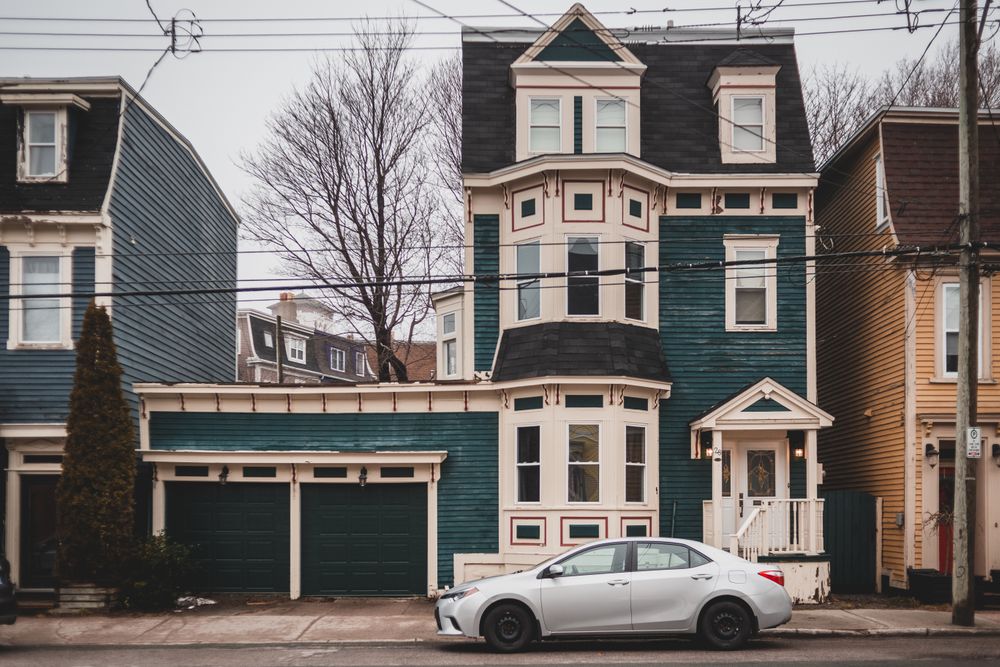
Homes also sit close to narrow sidewalks, which makes small flaws more obvious than they would be on a suburban lot. A dented panel or crooked garage door can catch a visitor’s eye before they even reach the porch.
On a narrow street where the garage shares the same sightline as the entry, repairing a visibly damaged garage door in Alexandria belongs in the same curb-appeal conversation as touching up trim or fixing rusted ironwork.
Start With a Deep Clean of Brick, Trim, and Iron Details
Wash what’s already there before any paint or plantings.
Brick develops a white, chalky residue called efflorescence when moisture pulls salts to the surface. A stiff brush with water usually clears it without damaging the mortar.
Wrought iron railings rust at the joints first. Check those spots and treat any orange spotting before it spreads.
The National Park Service’s preservation guidance recommends the gentlest method that gets the job done. Harsh chemicals or high pressure washing can damage historic brick permanently.
A soft wash on painted trim removes years of city grime without stripping old paint layers, which may still contain lead on homes built before 1978. When trim needs more than a wash, hire someone familiar with lead safe work practices instead of sanding it yourself.
Paint Choices That Respect a Historic Facade
Color choices in Old Town often need to match an approved historic palette. Check with the Board of Architectural Review before buying a gallon of anything bold.
Many homeowners choose muted colors such as slate blue, deep green, or soft ivory. Those shades fit more naturally alongside the brick, ironwork, and older architectural details found throughout the neighborhood.
A freshly painted front door is still one of the fastest ways to change how a house looks. That’s true even inside those color limits.
Pick a shade with some contrast against the brick or siding so the entry stands out. It shouldn’t look like it belongs on a different street.
Front Yard Plantings for Narrow Rowhouse Yards
Space is tight in Old Town. Front yard plantings usually work best in raised beds, window boxes, and narrow strips along the walkway.
Boxwood, ivy, and hydrangea show up often on these blocks. They’ve thrived here for generations and hold their shape without constant trimming.
Window boxes filled with seasonal flowers add color at eye level. That counts for more here than a sprawling yard would on a bigger lot.
If the front yard is too small to do much with, many Old Town homeowners put their energy into the backyard instead, adding a patio or new plantings back there.
Curb Appeal Ideas for Doors, Driveways, and Garages
Garages sit close to the street on most Old Town lots. A door that’s faded, dented, or outdated pulls attention away from everything else a homeowner has fixed.
Once a door is beyond an easy repair, matching the replacement to the block counts more than installing a generic stock door. A specialist who handles garage door installation in Alexandria can match the style and color to the block, since the door is just as visible as the front door, trim, and railings.
Driveways and front walkways deserve the same attention. Old brick pavers sometimes settle or crack over the years.
Repointing or relaying those sections keeps the path level while preserving the material already used around the house. Plain concrete patches are much easier to spot against an older brick walkway.
Lighting That Suits Federal and Colonial Architecture
Exterior lighting on Federal and Colonial style homes usually leans toward black or bronze fixtures. Clean, understated lines work better here than ornate or modern designs.
A coach light beside the front door helps. A smaller fixture near the garage can give the front of the house more even coverage after dark.
Switching those fixtures to LED bulbs cuts the electric bill. It also keeps the warm color tone that suits an older home better than a cooler white light.
Motion sensors on side and rear fixtures add some security without changing how the front of the house looks during the day.
Seasonal Upkeep for an Old Town Exterior
Gutters need clearing before the first hard freeze. A clogged gutter sends water down the brick face and leaves streaking that’s hard to remove later.
Fall is also the right time to check caulking around windows and doors before cold weather sets in.
Spring calls for a gentler power wash on brick and walkways once freezing temperatures pass. It’s also a good time to check for salt or ice melt damage from winter.
Choose a calcium based ice melt instead of rock salt near brick and stone. Salt residue can pit those surfaces over several seasons.
Small Details That Change How a Home Looks From the Street
House numbers, mailboxes, and door hardware are easy to overlook. A mismatched or corroded set stands out against an otherwise well kept house.
Choose finishes that match the era of the home, such as brass or oil rubbed bronze rather than bright chrome.
A doormat, a pair of potted plants, and a working doorbell take care of several of the smaller details around the entry without turning the porch into a decorating project of its own.
Curb Appeal Ideas Worth Saving For
Some exterior projects need a bigger budget and more planning. A full roof replacement, a complete repaint of the facade, or a new front walkway can fall into that category.
A custom garage door designed to match the block’s original hardware belongs on that list too.
Matching brick pavers keep a new walkway consistent with the rest of the block. Projects of this size usually require a Board of Architectural Review application, so homeowners should plan for a review period of a couple of months before work can start.
Taking on those larger projects one at a time also gives each approval process room to play out before the next exterior change begins.
Curb Appeal Ideas to Avoid in a Historic District
Vinyl siding, vinyl replacement windows, and bright modern trim colors rarely pass Board of Architectural Review. Check before buying materials for any of those projects.
Chain link fencing out front and plastic porch furniture can also draw complaints from neighbors, even where district rules technically allow them.
Skipping a trendy exterior update can save the expense of replacing it again once it starts looking out of place on a much older block.
Frequently Asked Questions
1. Do I need approval to repaint my house in Old Town Alexandria?
Yes, in most cases, and a routine color change may still involve a review period of a few weeks. The Board of Architectural Review approves exterior paint colors for homes inside both local historic districts.
2. What’s the least expensive way to start on curb appeal ideas for an older home?
Window boxes and a couple of potted plants near the entry can cost less than fifty dollars and need no historic district approval. They’re useful when the goal is to make a visible change without committing to paint, masonry work, or another project that requires review.
3. How often should brick on an Old Town home be cleaned?
General preservation guidance recommends washing brick every two to three years. Wash sooner if efflorescence or dark staining builds up near downspouts and window sills.
What Old Town Curb Appeal Really Comes Down To
The larger exterior projects have to work around the district’s approval process, which makes it useful to separate ordinary upkeep from changes that alter the facade.
Cleaning brick, treating rust, maintaining trim, and keeping plantings under control can happen as routine upkeep. Roof work, major repainting, walkway replacement, and other visible changes need more planning.
Before starting the next project, stand across the street and look at the house from the same distance a visitor would. On these narrow blocks, a corroded railing, patched walkway, or out-of-place garage door rarely disappears into the background.