

















Bathrooms are one of the most common places for mold growth. Warm air, steam, and moisture create the perfect environment for mold to spread on walls, ceilings, tiles, and grout. If ignored, mold can damage surfaces and create an unpleasant smell inside your bathroom.
Learning how to get rid of mold in bathroom areas helps keep your space clean, safer, and easier to maintain. With the right cleaning methods and regular care, you can remove mold and stop it from coming back.
Quick Guide
- Find all mold-affected areas in the bathroom
- Wear gloves and open windows before cleaning
- Use vinegar, baking soda, or mold cleaner
- Scrub tiles, grout, walls, and corners properly
- Dry the bathroom fully after cleaning
- Improve ventilation to prevent future mold
- Fix leaks and reduce excess moisture
- Clean bathroom surfaces regularly
Why Mold Grows in Bathrooms
Bathrooms stay humid for long periods after showers and hot water use. When moisture stays trapped, mold begins to grow on damp surfaces.
Common causes include:
- Poor ventilation
- Water leaks
- Wet towels left hanging
- Damp corners behind sinks or toilets
- Steam buildup after showers
- Cracked grout or old sealant
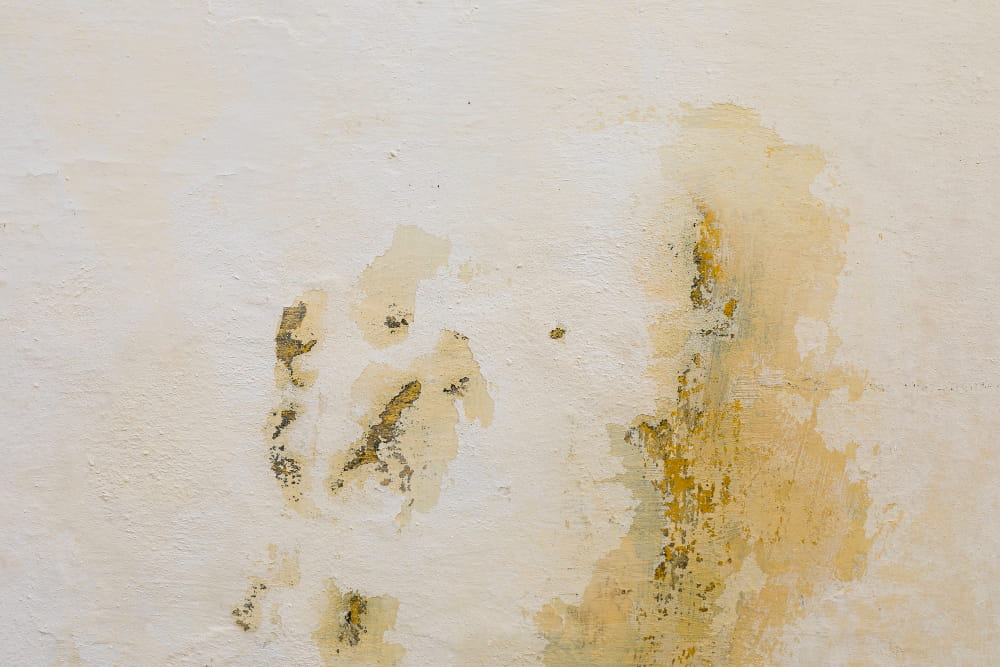
Mold often appears as black, green, or dark brown spots. It usually grows on tile grout, ceilings, shower curtains, and around bathtubs.
Step 1: Prepare the Bathroom Before Cleaning
Before starting the cleaning process, make the bathroom safe and ready.
Open windows and turn on the exhaust fan to improve airflow. Wear rubber gloves and, if possible, use a face mask to avoid breathing mold particles.
Remove items such as:
- Towels
- Bath mats
- Toiletries
- Shower curtains
This gives you full access to the affected areas and prevents mold from spreading onto clean items.
Step 2: Use White Vinegar for Light Mold
White vinegar works well for small mold patches and is safe for most bathroom surfaces.
How to Use It
- Pour white vinegar into a spray bottle
- Spray directly onto the mold
- Leave it for one hour
- Scrub the area with a brush or sponge
- Rinse with warm water
- Dry the surface completely
Vinegar kills many types of mold naturally and helps remove bad smells.
Example:
If mold appears around the sink edges or shower corners, vinegar is often enough to clean the surface effectively.
Step 3: Remove Stubborn Mold with Baking Soda
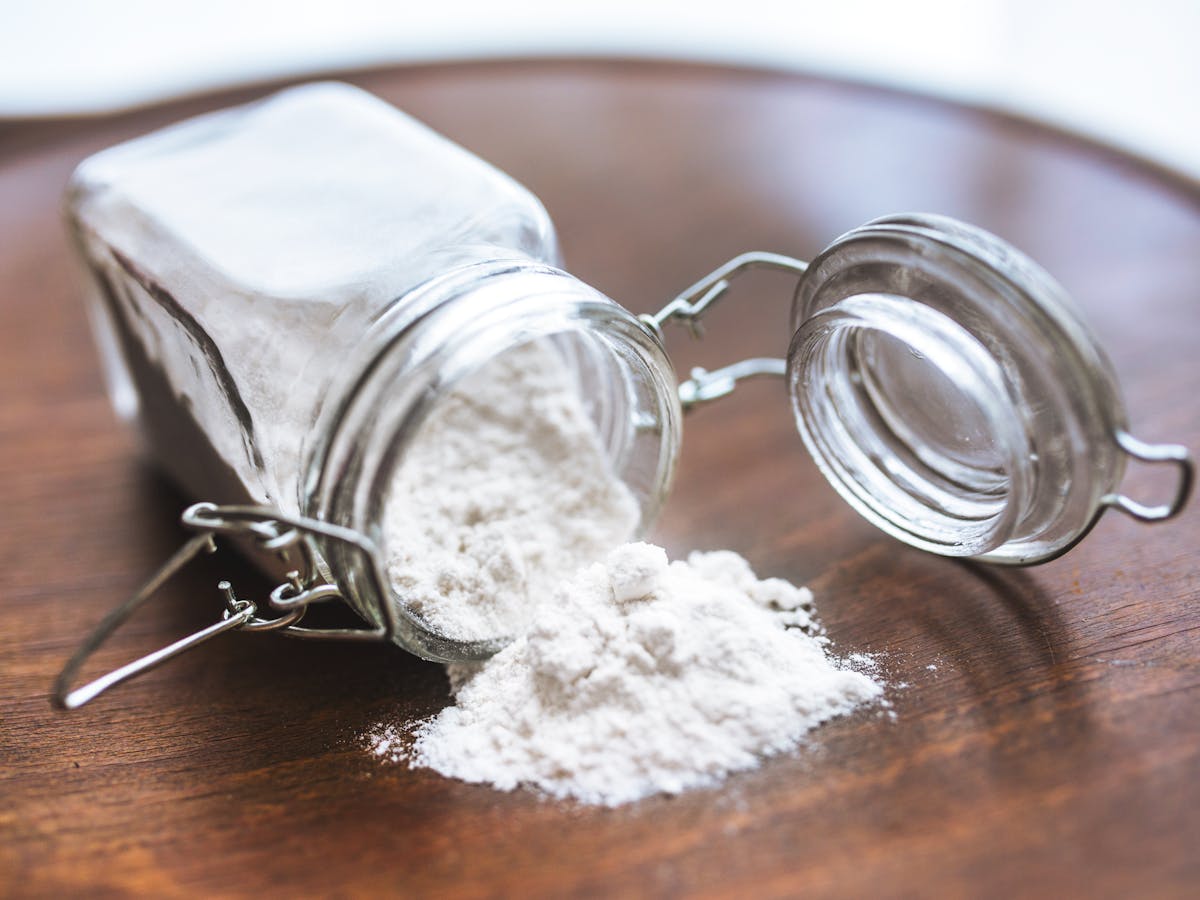
Baking soda helps clean deeper stains and removes moisture from surfaces.
Cleaning Method
- Mix one tablespoon of baking soda with water
- Create a thick paste
- Apply it to moldy grout or tiles
- Scrub with an old toothbrush
- Rinse and wipe dry
You can also combine baking soda with vinegar for extra cleaning strength.
This method works well for:
- Tile grout
- Shower walls
- Bathroom corners
- Around faucets
Step 4: Clean Mold from Bathroom Ceiling
Bathroom ceilings often collect mold because warm steam rises upward.
How to Clean Ceiling Mold
- Mix warm water with mild detergent or vinegar
- Dip a sponge or cloth into the solution
- Gently wipe the ceiling
- Use a soft brush for stubborn spots
- Dry the ceiling with a clean towel
If the ceiling paint is peeling or mold keeps returning, moisture may be trapped behind the paint. In that case, repainting with mold-resistant paint may help.
Step 5: Remove Mold from Grout and Tiles
Grout lines absorb moisture easily. Mold spreads quickly there if not cleaned regularly.
Best Cleaning Tips
- Use a grout brush or old toothbrush
- Apply mold cleaner directly into grout lines
- Let it sit for several minutes
- Scrub slowly with pressure
- Rinse and dry the area
Avoid leaving water on tile surfaces after showers. A simple wipe-down can reduce mold growth significantly.
Step 6: Wash or Replace Shower Curtains
Shower curtains collect soap residue and moisture every day. This makes them a common place for mold.
Fabric Curtains
Wash them in the washing machine with:
- Warm water
- Mild detergent
- Baking soda or vinegar
Plastic Curtains
Wipe them using vinegar or bathroom cleaner. Replace the curtain if mold stains remain after cleaning.
Step 7: Improve Bathroom Ventilation
Good airflow is one of the best ways to stop mold from returning.
Simple Ways to Improve Ventilation
- Use the exhaust fan during and after showers
- Open windows after bathing
- Leave the bathroom door open for airflow
- Use a small dehumidifier if needed
Try to keep bathroom surfaces dry as much as possible.
Step 8: Fix Leaks and Water Problems
Even a small leak can create constant moisture behind walls or under sinks.
Check these areas regularly:
- Pipes under the sink
- Toilet base
- Bathtub edges
- Shower connections
- Ceiling corners
Repairing leaks early prevents mold from spreading deeper into the bathroom structure.
Step 9: Prevent Mold from Coming Back
After cleaning the mold, focus on prevention.
Daily Habits That Help
- Wipe wet surfaces after showers
- Hang towels properly to dry
- Clean tiles weekly
- Avoid storing wet items in the bathroom
- Use mold-resistant paint and sealant
- Keep airflow moving inside the room
Regular cleaning takes less time than removing heavy mold buildup later.
Step 10: Use Mold-Resistant Products
Using mold-resistant materials can reduce future mold problems in your bathroom. These products help protect surfaces from excess moisture and humidity.
Helpful Mold-Resistant Options
- Mold-resistant bathroom paint
- Waterproof grout sealers
- Anti-mold caulk around tubs and sinks
- Moisture-resistant drywall
- Mildew-resistant shower curtains
For example, if mold keeps appearing around the bathtub edges, replacing old caulk with anti-mold silicone sealant can help stop moisture from getting trapped.
These small upgrades improve long-term protection and make bathroom cleaning easier.
Natural vs Chemical Mold Cleaners
Both options can work well depending on the mold problem.
| Cleaner Type | Best For | Notes |
| White Vinegar | Light mold | Natural and affordable |
| Baking Soda | Grout and stains | Gentle on surfaces |
| Hydrogen Peroxide | Tough mold spots | Good disinfectant |
| Commercial Mold Cleaner | Heavy mold growth | Follow label instructions |
Avoid mixing strong chemicals together because this can create harmful fumes.
Signs You Need Professional Help
Some mold problems are too large for basic home cleaning.
You may need professional help if:
- Mold keeps returning quickly
- The smell stays after cleaning
- Mold covers large wall sections
- Water damage exists behind walls
- Family members experience breathing problems
Professionals can inspect hidden moisture and remove mold safely.
Final Thoughts
Understanding how to get rid of mold in bathroom spaces helps you maintain a cleaner and healthier home. Most bathroom mold problems can be controlled with proper cleaning, good airflow, and regular maintenance.
Simple habits like drying surfaces, fixing leaks, and improving ventilation make a big difference over time. Consistent care keeps your bathroom fresh and reduces the chance of mold returning.








[…] Visible growth around the sink should prompt a closer inspection of the surrounding area. Check under the basin for slow leaks, water stains, damp wood, swollen cabinet material, or loose plumbing connections. Even a small leak can keep nearby surfaces wet enough to allow mold growth over time. […]