
















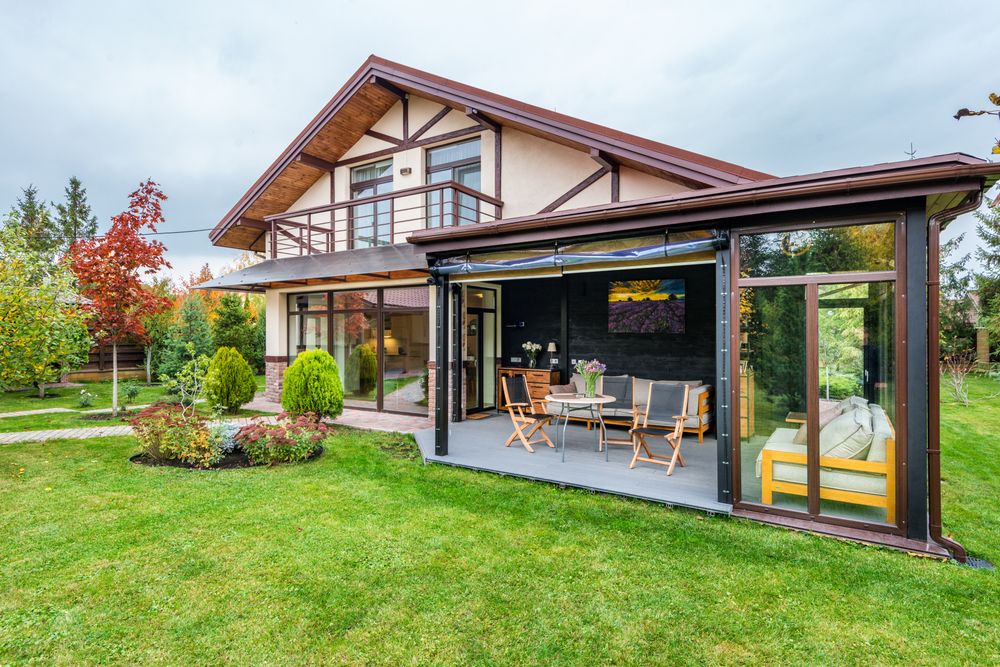
A well-planned yard can make your home feel more comfortable, attractive, and useful. It can provide a quiet place for morning tea, a safe space for children, or a welcoming setting for family gatherings. Decadgarden Yard Decoration focuses on practical ideas that improve outdoor spaces without making the project too difficult or expensive.
Successful yard decoration starts with planning instead of buying random plants, furniture, and accessories. You need to understand your available space, sunlight, movement, weather, and daily needs. This guide explains how to plan, decorate, organize, and maintain a yard that matches your lifestyle.
1. Understand Your Yard Before Decorating
Every outdoor space has different strengths and limits. Some yards receive strong sunlight, while others stay shaded for most of the day. A careful review helps you choose suitable plants, furniture, lighting, and decorative features.
Look for:
- Sunlight: Note which areas receive morning, afternoon, or full-day sun.
- Drainage: Check where water collects after rain or cleaning.
- Movement: Identify the routes people use between doors, gates, and seating.
- Existing features: Find trees, walls, paths, steps, and plants worth keeping.
Why it matters:
- Better planning prevents unnecessary purchases.
- Suitable placement makes each feature easier to use.
- Early checks help you solve problems before decorating.
Pro Tip:
Take pictures of the yard at different times of day. The images will help you compare sunlight, shade, and empty areas while planning.
2. Create Functional Outdoor Zones
Dividing the yard into zones gives every area a clear purpose. You may create spaces for sitting, dining, gardening, playing, storage, or entertainment. Even a small yard can support different activities when you arrange everything carefully.
Place a dining area close to the kitchen when possible. Keep play areas visible from the house and position quiet seating away from busy entrances.
Key takeaways:
- Use pathways to connect different sections.
- Leave enough open space for comfortable movement.
- Separate active areas from peaceful sitting spots.
Example:
A narrow backyard can include a small table near the door, a vertical garden along one wall, and a wooden bench at the far end.
3. Choose a Consistent Yard Style
A clear decoration style prevents the yard from looking crowded or disconnected. You do not need to follow strict design rules. However, repeated colors, materials, and shapes can create better visual balance.
The following table compares several popular yard styles:
| Yard Style | Main Materials | Suitable Colors | Useful Features |
| Modern | Metal, concrete, smooth wood | Black, white, grey | Straight paths and simple planters |
| Rustic | Reclaimed wood, stone, rope | Brown, green, warm shades | Lanterns and natural borders |
| Cottage | Brick, painted wood, ceramic | Soft and bright colors | Flower beds and curved paths |
| Tropical | Bamboo, rattan, natural stone | Deep green and warm tones | Large plants and shaded seating |
Choose one main style and add a few personal details. Too many unrelated decorations can compete for attention.
4. Use Plants to Add Structure and Color
Plants form an important part of most outdoor designs. They can create privacy, soften walls, guide movement, and bring seasonal color. Select plants according to your local weather, sunlight, soil, and available care time.
Use different plant heights to create depth:
- Place tall plants and shrubs near boundaries.
- Use medium plants beside paths and seating areas.
- Grow low plants near bed edges or below taller plants.
- Add pots to patios, steps, and empty corners.
Main benefits:
- Greenery makes hard outdoor surfaces feel softer.
- Plant layers create a fuller appearance.
- Container plants allow easy layout changes.
Important Note:
Do not choose plants only because they look attractive at the store. Check their mature size, watering needs, and sunlight requirements first.
5. Build a Comfortable Seating Area
Furniture turns a decorated yard into a practical living space. Select pieces that match the yard size and the number of people who will use them. Large furniture can overwhelm a small area, while very small furniture may look out of place in a spacious yard.
Weather-resistant metal, treated wood, outdoor rattan, and strong plastic can work well. Add washable cushions for comfort, but store them during rain or harsh weather.
What to expect:
- A shaded seat encourages regular outdoor use.
- Flexible chairs make entertaining easier.
- Storage benches help control visible clutter.
Quick Tip:
Arrange the main furniture before adding small decorations. The seating layout should guide the rest of the design.
6. Add Lighting for Safety and Atmosphere
Outdoor lighting helps people move safely and creates a pleasant setting after sunset. Combine practical lights near steps, entrances, and gates with softer lighting around plants and seating areas.
Solar lights can work along paths that receive enough sunlight. Wall lights suit entrances, while string lights can decorate pergolas, fences, and covered seating. Spotlights can highlight a tree, textured wall, sculpture, or large planter.
Avoid placing strong lights directly at eye level. A few carefully positioned lights often create a better result than several bright fixtures.
7. Improve Pathways and Yard Edges
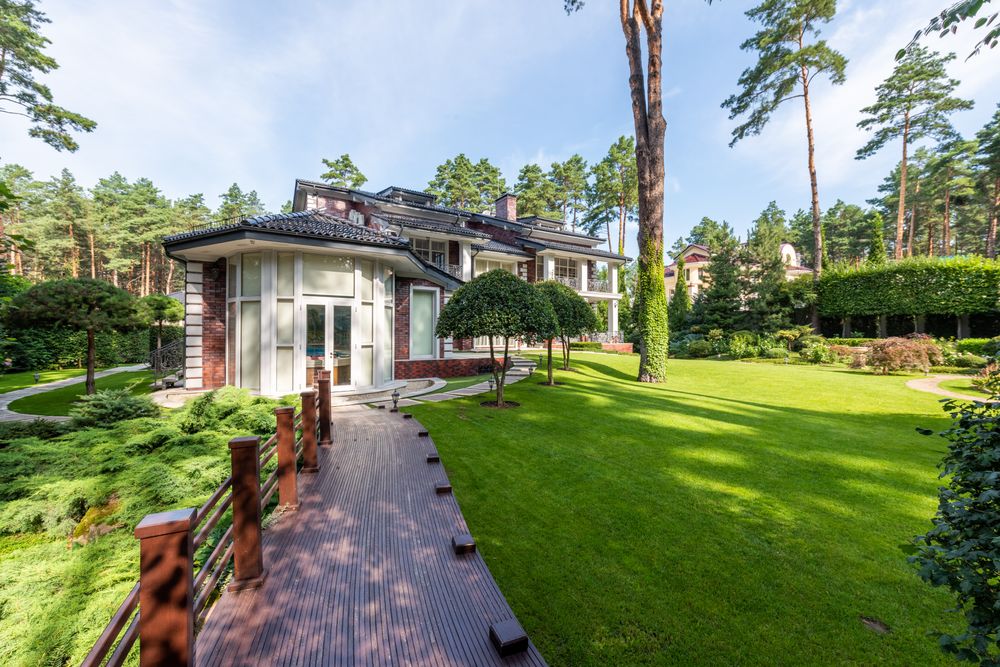
Pathways guide movement and make the yard feel organized. Gravel, bricks, stepping stones, concrete slabs, or compacted materials can create practical routes. Choose a surface that matches your budget, local weather, and maintenance ability.
Defined edges can also improve the appearance of flower beds and lawns. Use bricks, stones, low plants, metal strips, or wooden borders to separate different areas.
Why it matters:
- Defined paths protect planted sections.
- Clean edges make the yard look maintained.
- Suitable surfaces help reduce mud near doors.
Pro Tip:
Walk through the planned route before installing the path. Make sure it feels natural and provides enough room for regular use.
8. Apply Backyard Hacks Decadgarden in Small Spaces
Small outdoor improvements often work best when they support the rest of the home. You can explore these practical home tips and tricks Decadgarden for more ideas on organization, comfort, maintenance, and simple design changes that connect indoor and outdoor living.
Choose one clear focal point, such as a painted wall, decorative planter, compact fountain, or attractive bench.
Key takeaways:
- Keep the central area open where possible.
- Use furniture with folding or storage features.
- Limit the color palette to reduce visual clutter.
Example:
A small paved yard can include a corner bench, wall-mounted herb containers, and string lights above the seating space.
9. Add Privacy Without Blocking the Yard
Privacy can make an outdoor space more relaxing. Fences offer a direct solution, but screens, plants, curtains, and trellises may create a softer look.
Place privacy features only where you need them. A screen beside the seating area may solve the problem without closing the whole yard. Climbing plants can cover a trellis, while outdoor curtains provide flexible privacy around a pergola.
Avoid blocking important sunlight, airflow, drainage, or access points. Check local rules before installing permanent or tall structures.
10. Select Decorative Features Carefully
Decorative pieces should support your chosen design instead of filling every empty corner. Planters, lanterns, bird baths, rugs, sculptures, wind chimes, and outdoor wall art can add character.
Before buying an item, ask whether it matches the main style, handles outdoor weather, and fits the available space. A few noticeable items usually create a cleaner appearance than many small accessories.
A focal point can bring the design together. You may use a tree, fountain, fire feature, sculpture, painted wall, or group of large pots.
11. Follow a Yard Guide Decadgarden Budget Plan
A phased budget allows you to control spending and complete important work first. Begin with repairs, drainage, paths, and safety. Add plants, furniture, lighting, and decorative items after the basic layout works properly.
Use this order for better results:
- Phase one: Clear clutter, repair damage, and solve drainage issues.
- Phase two: Plan zones, pathways, beds, and furniture positions.
- Phase three: Add plants, seating, shade, and practical lighting.
- Phase four: Finish with pots, textiles, artwork, and seasonal pieces.
Quick Tip:
Keep part of your budget for replacement plants, protective covers, fasteners, and minor repairs. These extra costs may appear during the project.
12. Try Budget-Friendly DIY Yard Projects
DIY projects can reduce costs and add a personal touch. Paint old plant pots, turn strong wooden crates into stands, build a basic trellis, or refresh an outdoor bench with suitable paint.
You can also create simple borders with pebbles, reuse a safe wooden ladder as a plant display, or place small solar lights inside decorative jars.
Use only clean and stable materials. Sand rough wood, secure heavy objects, and avoid stacking items in ways that may cause them to fall.
13. Prepare the Yard for Every Season
Seasonal changes affect plants, furniture, lighting, and maintenance. A flexible design makes each transition easier.
Use these seasonal ideas:
- Spring: Clean beds, improve soil, and add flowering plants.
- Summer: Provide shade and monitor watering needs.
- Autumn: Clear leaves and protect sensitive furniture.
- Winter: Store soft furnishings and cover delicate items.
Seasonal decoration should remain simple. Change flowering pots, cushion covers, lanterns, or table accessories instead of redesigning the whole yard.
14. Maintain Your Decadgarden Yard Decoration
Regular care protects your improvements and keeps the area enjoyable. Create a basic maintenance routine according to the size and features of your outdoor space.
Complete these tasks when required:
- Sweep paths and remove fallen leaves.
- Pull weeds before they spread.
- Clean furniture and tighten loose parts.
- Trim plants that block paths or lights.
- Check drains, pots, lights, and decorative items.
- Store tools in a clean and dry place.
Main benefits:
- Regular care prevents small issues from becoming serious.
- Clean surfaces improve the overall appearance.
- Timely repairs can extend the life of outdoor items.
Important Note:
Hire trained professionals for unsafe electrical work, unstable structures, large tree removal, and serious drainage problems.
Important FAQs
What is Decadgarden Yard Decoration?
Decadgarden Yard Decoration covers practical ideas for planning, styling, organizing, and maintaining outdoor home spaces. It may include plants, furniture, lighting, pathways, privacy features, and decorative accessories.
Can I decorate my yard on a small budget?
Yes. Start with cleaning, rearranging, edging, painting, and a few container plants. Complete necessary repairs before spending money on accessories.
How can I make a small yard look larger?
Keep the centre open, use vertical planting, choose compact furniture, and avoid using too many colors or decorative pieces.
Which yard feature should I add first?
Add the feature that supports your main purpose. Seating may come first for relaxation, while pathways and lighting may matter more for safety.
How often should I maintain my decorated yard?
Complete basic cleaning and plant care each week. Inspect furniture, drainage, lighting, paths, and larger features at the start of every season.
Are water features suitable for small yards?
Yes. A tabletop fountain, wall-mounted feature, or small bird bath can add movement without taking up too much room.
Conclusion
A successful yard combines visual appeal, comfort, safe movement, and simple maintenance. Decadgarden Yard Decoration works best when you understand the space, create functional zones, choose a consistent style, and add each feature in the correct order.
You do not need to finish the entire project at once. Begin with cleaning, repairs, drainage, and layout. You can then introduce plants, seating, lighting, privacy, and carefully selected decorations.